
Best Storage Containers for Moving
When you consider factors like protection, durability, cost, and environmental impact, plastic bins seem like the best storage container for moving. Because “best” ultimately means best fit for a situation, there are some instances where cardboard boxes will be the better option. In the end, the right pick really comes down to what you’re packing and how often you’ll need those boxes again.
Our mission at Stack Moves is to make moving easier with our sturdy, reusable plastic moving boxes. Made from recycled plastic and backed by 1,100+ Trustpilot reviews, our bins are a simpler, more sustainable way to safely move your belongings. Contact us today to book your moving boxes.
In this blog, we will walk you through the process of choosing the best storage container for moving.
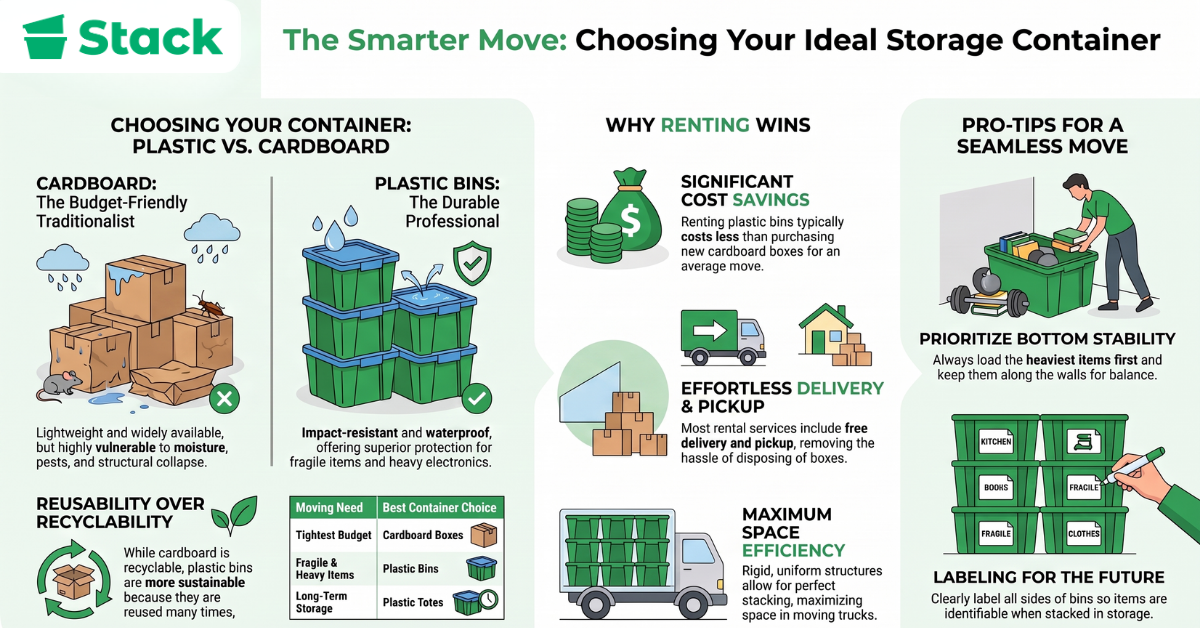
Table Of Contents
- Best Types of Storage Containers for Moving
- How to Choose the Best Packing & Storage Containers for Your Move
- Where to Buy or Rent the Best Packing & Storage Containers
- Looking for Moving and Storage Solutions That Fit Your Needs?
- Frequently Asked Questions
- How Do I Choose the Right Container Size for My Move?
- Can I Use Moving Containers for Short-Term Storage?
- Are There Hidden Fees I Should Watch Out For?
- Can I Pack Breakable Items in a Moving Container?
- How Do Cross-Country Moves Differ From Local Ones?
- What Items Are Not Allowed in Moving Containers?
- Can I Rent Multiple Containers for a Large Move?
- What Are the Best Moving Container Companies?
- How Many Containers Do You Need to Move?
Best Types of Storage Containers for Moving
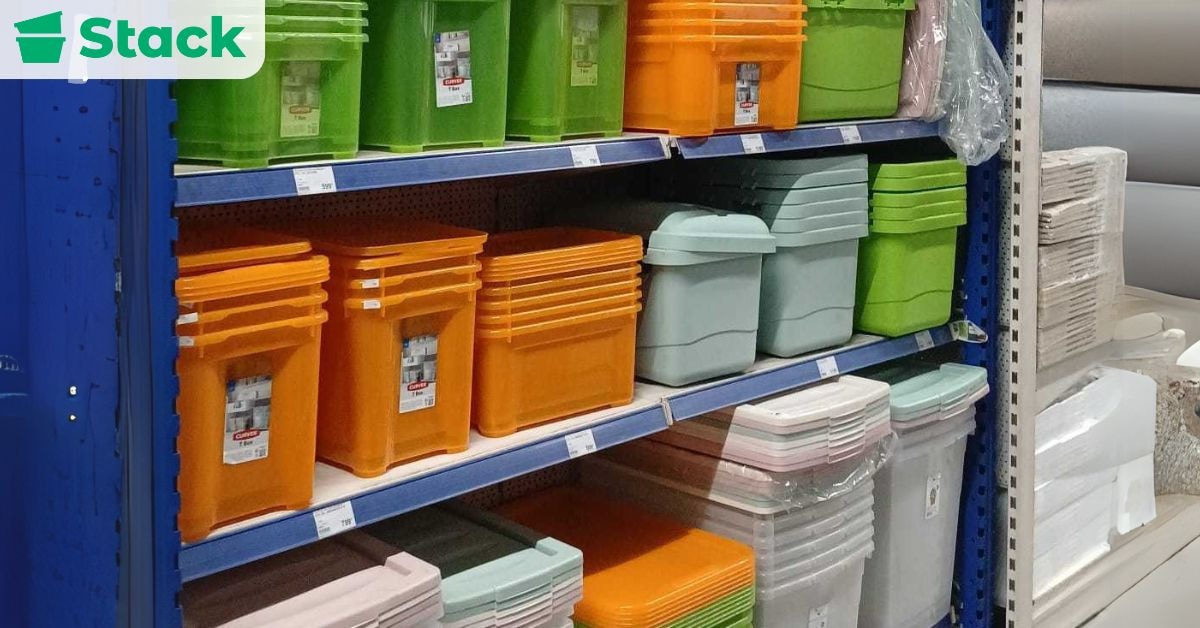
The most important factors to look at when making a decision of which box to use include what you’re moving, how far you’re going, and what matters most to you in terms of cost, durability, or sustainability. Here’s a look at the most common types to help you decide what works best for your move.
1. Cardboard Boxes – Best Budget Option
Cardboard boxes are adaptable, lightweight storage units generally used for shipping and moving. Because they are easy to handle and come in different sizes, many storage companies prefer to use them.
Standard cardboard moving boxes are made from recycled paper or tree pulp. A major downside with using them is their vulnerability to moisture. The heavy-duty, double-walled cardboard boxes tend to provide better protection than standard moving boxes.
While you can get cardboard boxes for free most of the time, you also have the option of buying new ones. Small boxes typically range from $1 to $3, medium boxes from $2 to $5, and large boxes from $5 to $12. These boxes are well-suited for packing everyday household items like books, kitchen utensils, and non-fragile pieces.
Packing Tip: Keep them dry and reinforce the bottom with extra tape before loading.
2. Plastic Bins – Best for Heavy Items
Plastic containers offer better durability and longevity compared to cardboard boxes. They can be reused across multiple moves, making them a more eco-friendly alternative as well. These bins are also a convenient option since most companies include free container delivery and pickup as part of their service.
Plastic bins are an ideal solution for protecting fragile items during long-distance moves and long-term storage. This is thanks to their improved protection against moisture and pests. Prices tend to range from $1 to $3 per bin per week for rentals or $10 to $30 per plastic bin for purchase.
Packing Tip: Since they’re already moisture-resistant, use that extra protection for items you’d normally worry about, like electronics or documents.
3. Plastic Totes – Best for Long-Term Storage
Plastic totes or crates are sturdy storage containers commonly used for moving, shipping, and storing items. They’re made from durable plastic and provide the best protection against moisture. Their rigid structure makes them perfect for stacking and storing heavier or fragile items.
Prices vary depending on size and design, with small totes ranging from $5 to $15, medium ones from $10 to $30, and large ones from $20 to $50 or more. While they offer long-term usability and better durability, they’re too expensive for one-time use.
Packing Tip: Clearly label your moving totes. Since totes are often used for long-term storage, you’ll thank yourself later for knowing what’s inside without digging through every one.
4. Portable Storage Units – Best for Large Moves
Portable storage units are usually delivered to your location, allowing you to load your belongings at your own pace. The cost of renting one varies based on size, rental duration, and the distance of your move.
Portable storage units are secure and weather-resistant, making them perfect for long-distance moves. You can also use them alongside your personal storage containers for better organization. Some full-service movers provide portable storage containers as part of their service. This makes it much more convenient to combine professional moving with DIY packing.
Although they’re super convenient, they’re not the best choice for anyone with limited space for loading and unloading. Providers like ReloCube, PODS, and U-Box offer these units with varying rental prices based on size, duration, and distance.
Packing Tip: Load the heaviest items first and along the walls to keep the unit balanced and stable during transport.
5. Shipping Containers – Best for International Moves
Shipping containers are designed for freight transport because they offer maximum protection against weather and damage. These containers are made of tough, weather-resistant materials to ensure their durability. They’re usually made from Corten steel, which is incredibly rust-resistant and easy to weld. So repairing them is not as difficult as you’d imagine.
But their size and weight often call for specialized equipment to transport or move them. Plus, the cost of renting one is on the high side, so you’d only need this for an extensive move or as a way to securely store your properties over a long period.
Packing Tip: Use extra padding or crating for anything fragile since moves that use these containers involve more handling than a typical move.
6. Specialty Containers – Best for Fragile Items
Specialty containers are designed to carry specific items during a move. They are built around the unique shape of the items rather than a generic size. Good examples of such containers are wardrobe boxes, dish barrel boxes, and picture boxes.
This tailored design is what makes them especially good for fragile items like your dishes, glassware, and artwork. They’re also sturdier than standard boxes. The tradeoff is that they’re also more expensive and they’re not so easy to store. But if you’re moving anything irreplaceable or breakable, these boxes are worth the trouble.
Packing Tip: For wardrobe and picture boxes, keep items upright rather than stacked flat to avoid unnecessary pressure or bending.
|
Container Type |
Ideal For |
Price Range |
Key Notes |
|---|---|---|---|
|
Cardboard Boxes |
Budget moves |
Free–$12 (small $1–3, medium $2–5, large $5–12) |
Lightweight, easy to handle; vulnerable to moisture; good for short/medium moves and non-fragile items |
|
Plastic Bins |
Heavy items |
$1–3/week (rental) or $10–30 (purchase) |
Durable, reusable, moisture/pest-resistant; often includes free delivery & pickup; good for long-distance moves |
|
Plastic Totes |
Long-term storage |
$5–15 (small), $10–30 (medium), $20–50+ (large) |
Rigid and stackable; strong moisture protection; not cost-effective for one-time use |
|
Portable Storage Units |
Large moves |
Varies by size, duration, distance |
Delivered to your location; load at your own pace; weather-resistant; needs space for loading/unloading |
|
Shipping Containers |
International moves |
High (varies) |
Steel-built, extremely durable and weather-resistant; requires special equipment; costly to rent |
|
Specialty Boxes |
Fragile items |
Higher than standard boxes |
Shaped for specific items (dishes, wardrobe, artwork); sturdier and more protective; pricier and harder to store |
How to Choose the Best Packing & Storage Containers for Your Move
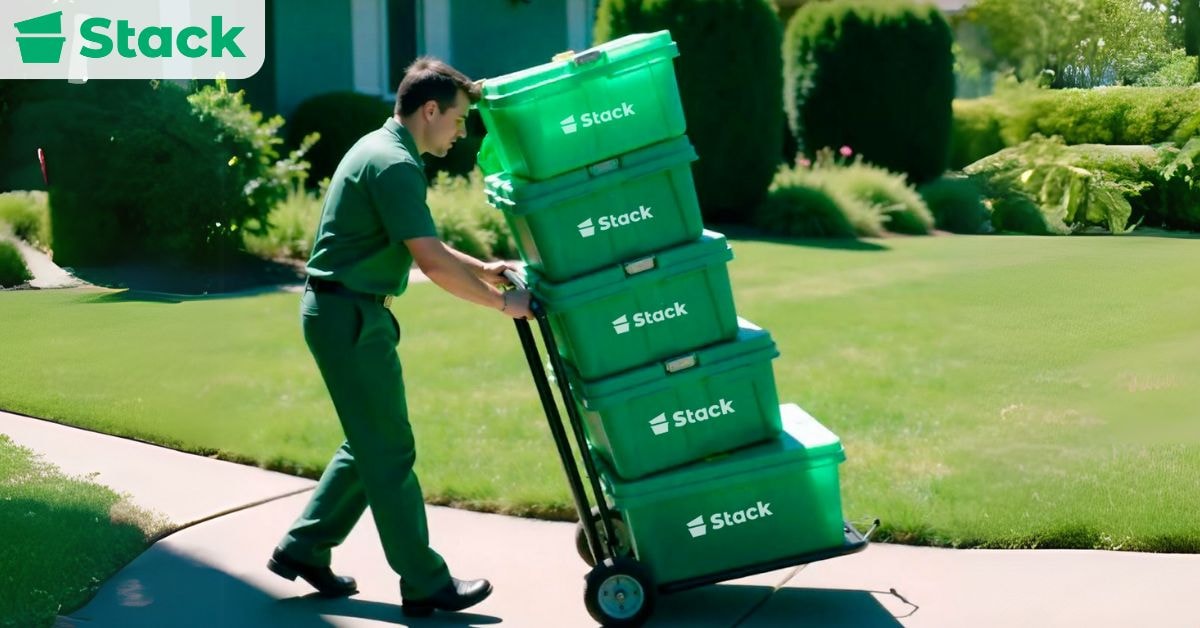
There are many factors to consider when choosing moving containers. Take a two-bedroom apartment move as an example. Most customers in this situation need between 25 and 35 medium-to-large bins.
Opting for plastic bin rentals over purchasing cardboard boxes saves them an average of $80 to $120 while eliminating the hassle of figuring out what to do with boxes after the move. If you want to pick the best box for your move, you should pay special attention to these factors:
Durability
Durable boxes can protect your belongings without being damaged themselves. Do not use water-damaged or old cardboard boxes. Boxes in this condition cannot take the stress of being transported with heavy items in them. This could put your items in danger, especially when working with a moving company.
Size and Versatility
Your container should be big enough to accommodate your items with ease, without being oversized. If your box is too big, it becomes awkward to carry or leaves things shifting around inside. The right size depends on what you’re packing, so matching the container to the contents matters more than defaulting to one size for everything.
Ease of Handling
Your containers should be stackable, have wheels, or come with handles. These features make loading, unloading, and moving boxes around your space far less physically demanding than carrying awkward, handle-less boxes from the bottom.
Weather Resistance
This focuses on protection against pests, moisture, and dust, making sure your items maintain their pristine condition upon arrival. It matters most if any part of your move involves outdoor exposure, a truck ride in bad weather, or time spent in storage.
Environmental Impact
While cardboard boxes are recyclable, they are typically used once. Plastic bins tend to be more eco-friendly because they are used across many moves before they are decommissioned. Choose your next moving box based on your preference. Cardboard’s recyclability might be enough for most people, but if you’d like to work with something that has an even lower waste footprint, plastic bins may be better.
Where to Buy or Rent the Best Packing & Storage Containers
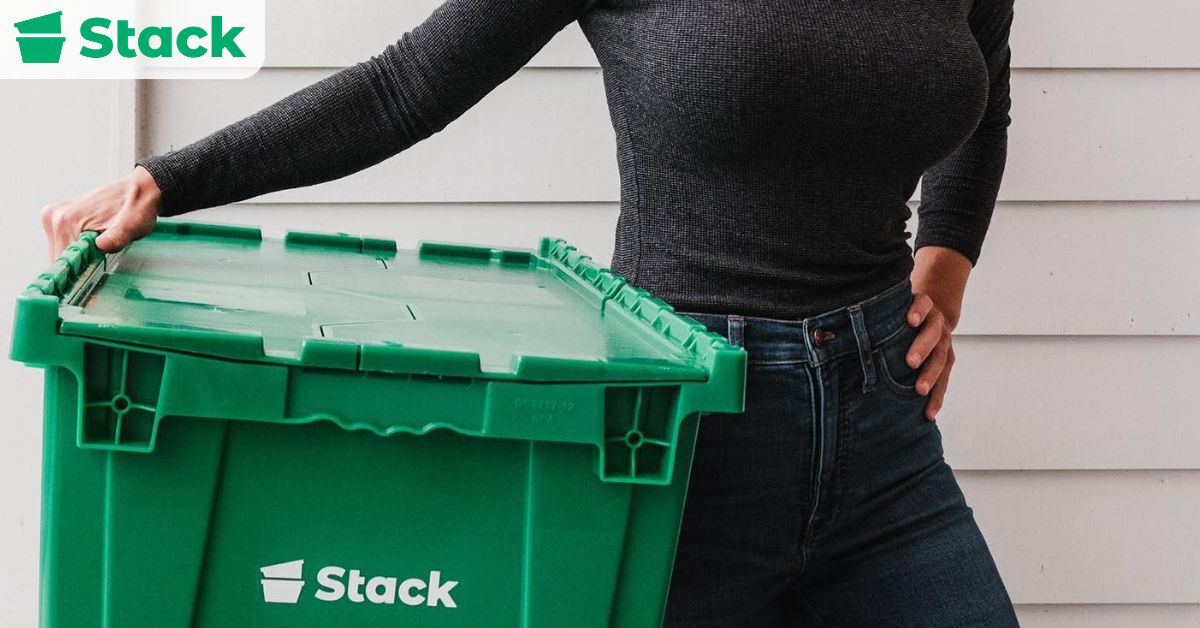
Where you source your containers can be just as important as which ones you choose. Your main options are renting, buying online, or picking them up from a local store. Here’s a breakdown of each option to help you decide what works best for your situation.
Renting Options
Renting containers is a good idea for anyone searching for a cost-effective and environmentally friendly way to move. In addition to saving money, you also encourage sustainability by renting instead of buying boxes. Additionally, renting offers flexibility and convenience since they can be delivered and picked up at times that work for you.
Online Retailers
You can shop from the comfort of your couch and access a wide selection of options when you buy your containers online. But the expense may be on the high side after factoring in shipping fees. Plus, you would have to deal with a longer delivery time if the seller is outside your area.
Local Store
A major benefit of going to a local moving store is that you can inspect your items in real-time, skip the delivery fees, and avoid long delivery timelines. However, a major downside is that you have limited options to choose from compared to online retailers. Also, getting these boxes to your house from the store can be difficult if you do not have an appropriate vehicle.
|
Source |
Companies to Check Out |
Good For |
|---|---|---|
|
Renting |
Stack Moves, PODS, 1-800-PACK-RAT, U-Box by U-Haul |
Flexible delivery/pickup, short- or long-term storage |
|
Online Retailers |
Home Depot, Amazon, ULINE, Lowe’s |
Wide selection, bulk ordering, ships nationwide |
|
Local Store |
Lowe’s, Home Depot, local moving supply shop |
Inspecting quality in person, no shipping wait |
Looking for Moving and Storage Solutions That Fit Your Needs?
If your goal is to keep your belongings safe, then you know how important it is to choose the right box for your move. The first step to getting this right is to have a solid idea of what you’re packing in the first place. The next step is to measure your inventory against the key factors we discussed earlier.
If cost-saving, sustainability, and convenience are important to you, renting a storage container may be the most suitable option for you. With a rented container, your relocation becomes easier and the risk of your belongings getting damaged is minimal. Contact us today and experience a seamless relocation process.
Frequently Asked Questions
Still have questions about moving containers? Here are answers to some of the most common ones we hear from customers preparing for a move.
How Do I Choose the Right Container Size for My Move?
This largely depends on the size of your load. A studio apartment has very different needs than a three-bedroom house. If you only have a few large items, a smaller unit may be all you need, which can save you money.
Can I Use Moving Containers for Short-Term Storage?
Yes, most moving and storage services offer flexible short-term storage options. They’ll hold your container at a secure storage facility until you’re ready for delivery. This is especially handy if there’s a gap between your move-out and move-in dates.
Are There Hidden Fees I Should Watch Out For?
Some companies charge extra for fuel, long carries, or extended rental periods, so always ask for transparent pricing upfront. Reviewing the fine print before signing helps most customers avoid unexpected costs on moving day.
Can I Pack Breakable Items in a Moving Container?
Breakable items can absolutely be moved in packing containers as long as they’re properly wrapped and cushioned. Filling unused space with packing paper or bubble wrap prevents shifting during transit. For soft goods like bedding, comforters, and blankets, vacuum compression bags are worth using too. They can shrink the volume of these items by up to 80%, creating much-needed space in your moving truck.
How Do Cross-Country Moves Differ From Local Ones?
Cross-country moves and interstate moves typically involve longer transit times and more logistical coordination than local relocations. Choosing a company experienced in long-distance moves ensures your container is tracked and handled appropriately throughout the journey.
What Items Are Not Allowed in Moving Containers?
Most companies prohibit hazardous materials such as propane tanks, paint, and certain cleaning chemicals from being packed in containers. When in doubt, check with your provider before packing anything flammable or corrosive.
Can I Rent Multiple Containers for a Large Move?
If you have a lot to move, many providers allow you to rent as many containers as you need, making it easy to pack methodically without rushing. Using multiple containers can also be a smart alternative to a moving truck if you prefer a self-paced approach.
What Are the Best Moving Container Companies?
Some of the best moving container companies share similar positive traits like reliable delivery, flexible scheduling, and clear pricing. Brands such as Stack Moves and 1-800-PACK-RAT are popular starting points. Other providers like PODS, U-Haul’s U-Box, and UNITS are also trustworthy companies to work with. For instance, UNITS has a 4.9 out of 5 star rating on Trustpilot.
How Many Containers Do You Need to Move?
Our moving box calculator can help you figure out how many boxes you need, whether you live in a cozy studio apartment or a spacious five-bedroom flat. People who get this step right enjoy the smoothest moves because they aren’t overpacked or short on storage space.
Rent Plastic Bins for Your Move!
Moving with cardboard boxes is a pain. Get pre-assembled bins delivered to your door and move hassle-free with Stack!
Stack eliminates the need for you to source, break down, or fill up your trash can with cardboard boxes.