Skip to main content

Moving Boxes

Do Moving Companies Provide Boxes and Supplies?

Most professional moving companies provide boxes, either bundled into a full-service package or available to purchase or rent separately. The option you get usually depends on the type of moving service you book. If you’re buying them on your own from your mover, expect to pay roughly $1 to $3 per standard box, with specialty boxes like wardrobe boxes or dish packs costing more.

Our mission at Stack Moves is to make moving easier with our sturdy, reusable plastic moving boxes. Made from recycled plastic and backed by 1,100+ Trustpilot reviews, our bins are a simpler, more sustainable way to safely move your belongings. Contact us today to book your moving boxes.

In this guide, we’ll break down what each type of mover typically includes, how costs stack up between cardboard and plastic bins, and what to ask before booking.

Do Movers Provide Boxes?
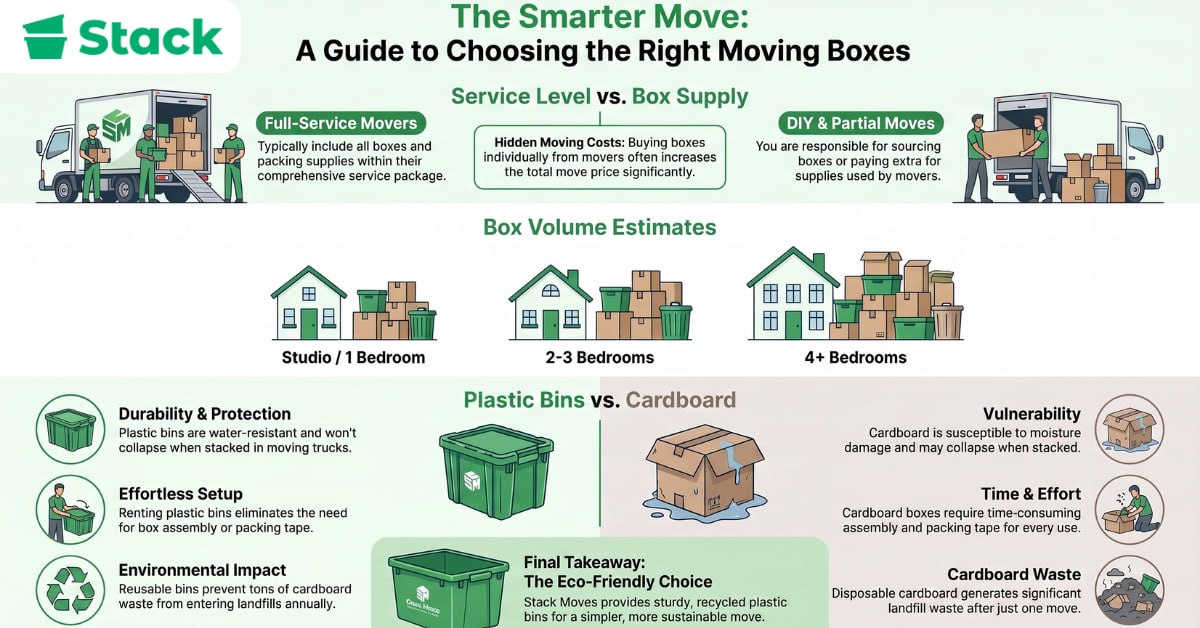
Infographic comparing full-service, partial and DIY movers, box volume by home size, and plastic bins versus cardboard

Yes, most professional movers provide boxes. These boxes are either bundled into your packing service at no extra charge or available to buy separately for around $1 to $3 per standard box. The boxes provided by movers are usually high quality since they are specifically built for moving. However, it’s worth mentioning that relying on your mover’s boxes can raise your overall moving cost compared to sourcing them yourself.

On the plus side, you’ll save yourself the stress of looking for boxes that actually hold up during the move. We’d recommend getting boxes from your movers if you’re short on time and just need a few extra boxes for last-minute packing.

Types of Movers and What Moving Supplies They Provide
What moving company service packages include for boxes and packing supplies

Full-service movers usually throw in boxes for free, while partial-service movers only cover the boxes for the stuff they’re packing. And in some cases you can still buy boxes from them if you need to. Which one you get comes down to the type of moving help you book.

Full Service Movers

Full-service movers handle nearly every part of your move. When you pay for a full-service package, you’re essentially hiring a team of professional packers to do all the heavy lifting and organizing for you. Along with the packing itself, they’ll bring the boxes, packing paper, bubble wrap, and other supplies too. Usually, at no extra charge. Since full-service movers handle more than just transportation, the cost is generally higher, but the convenience they offer can make it well worth it.

Partial-Service or Self-Service Movers

These movers provide the same boxes and packing materials as full-service movers but only for the items they’re responsible for. Sean McGrath notes that “the biggest surprise for people booking partial movers is assuming every box gets covered.”

You’ll have to use your own supplies to pack whatever is left by the movers. Partial-service movers are a good option for people who want some help without paying full-service prices. This approach helps you save on costs while still benefiting from expert packing where it matters most.

DIY or Self-Service Movers

With a DIY move, you’re doing most of the work yourself. The movers usually won’t help beyond driving your stuff from A to B. While this option can save you money, it often comes at the cost of your time and energy.

You’ll be responsible for sourcing your boxes, plus you’ll handle the packing, loading, and unloading of your items.Some professional movers offer additional services, like furniture disassembly or packing help, for an extra fee. And most moving companies will still sell you boxes if you want them. Just keep in mind that movers typically won’t transport hazardous materials, so you’ll need to handle those on your own.

Box Type Full Service Movers Partial Service Movers Self-Service Movers
Small Boxes Included Included only for items movers pack Not included
Medium-Sized Boxes Included Included only for items movers pack Not included
Large & Extra Large Boxes Included Included only for items movers pack Not included
Specialty Boxes Included Included only for items movers pack Not included

How Many Boxes Do You Actually Need? (by home size)
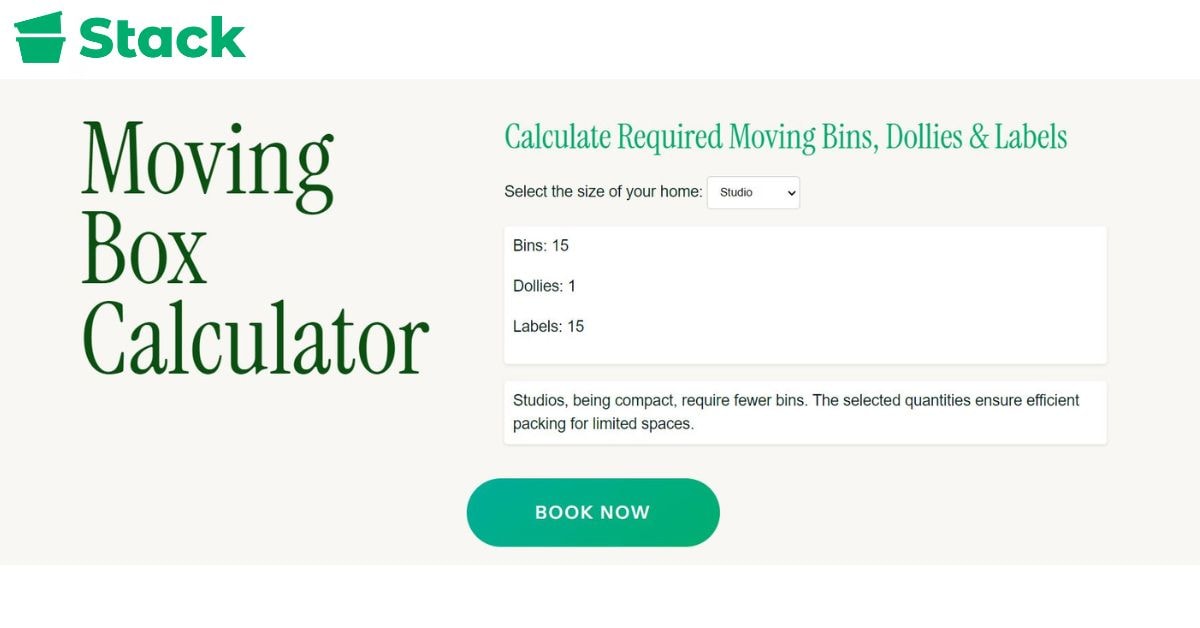
How many moving boxes you need by home size

It helps to know roughly how many boxes you’ll need for your move. The number of boxes to use really comes down to your home size and how much you own, but here’s a general starting point:

Home Size Estimated Total Cost of Professional Packing Services
Studio / 1 Bedroom 15-25 Mostly small and medium
2 Bedroom 35 Mix of small, medium, and large
3 Bedroom 50 Wider mix including specialty boxes
4+ Bedroom 75+ Full range across all box sizes

Is It Worth Paying Movers for Moving Boxes?
What to consider before getting moving boxes from your movers

Sometimes, yes. Buying moving boxes might seem practical at first, but it rarely pays off. The biggest problem with buying boxes is wondering what to do with the empty boxes after the move. If you choose to store them, they take up valuable space and often get damaged before your next use. If you decide to toss them, they end up as waste.

Even if you manage to find free moving boxes, you’ll still deal with the hassle of looking for sturdy ones, checking for damage, and assembling each with packing tape. Over the years, we’ve found that renting moving boxes is a far more practical and eco-friendly way to pack and move.

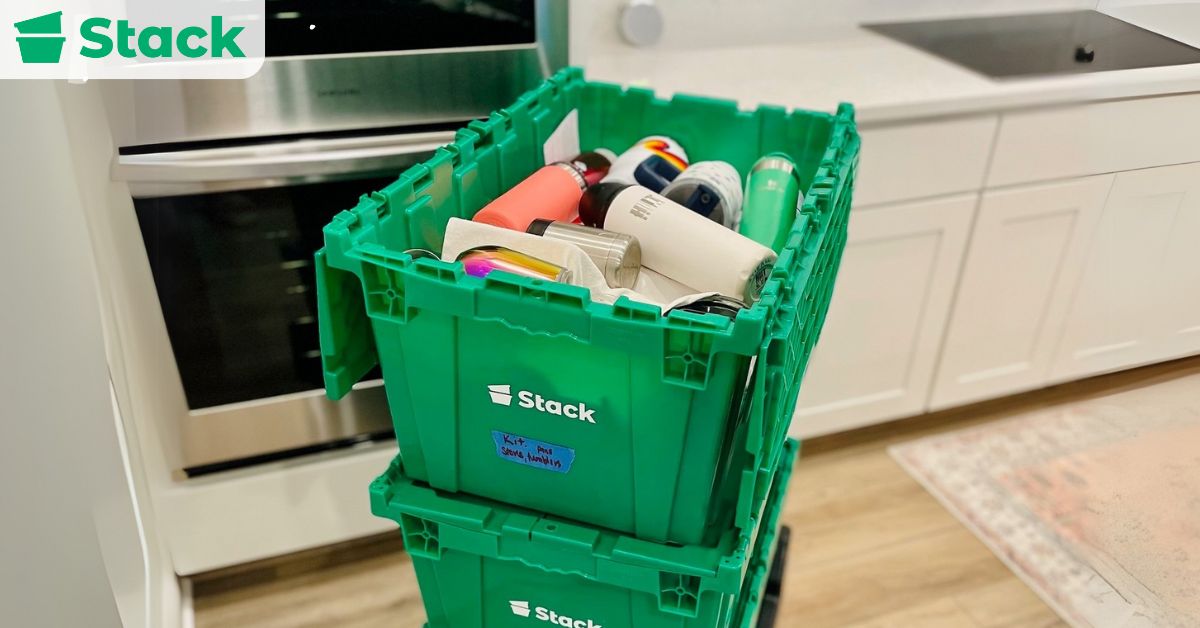
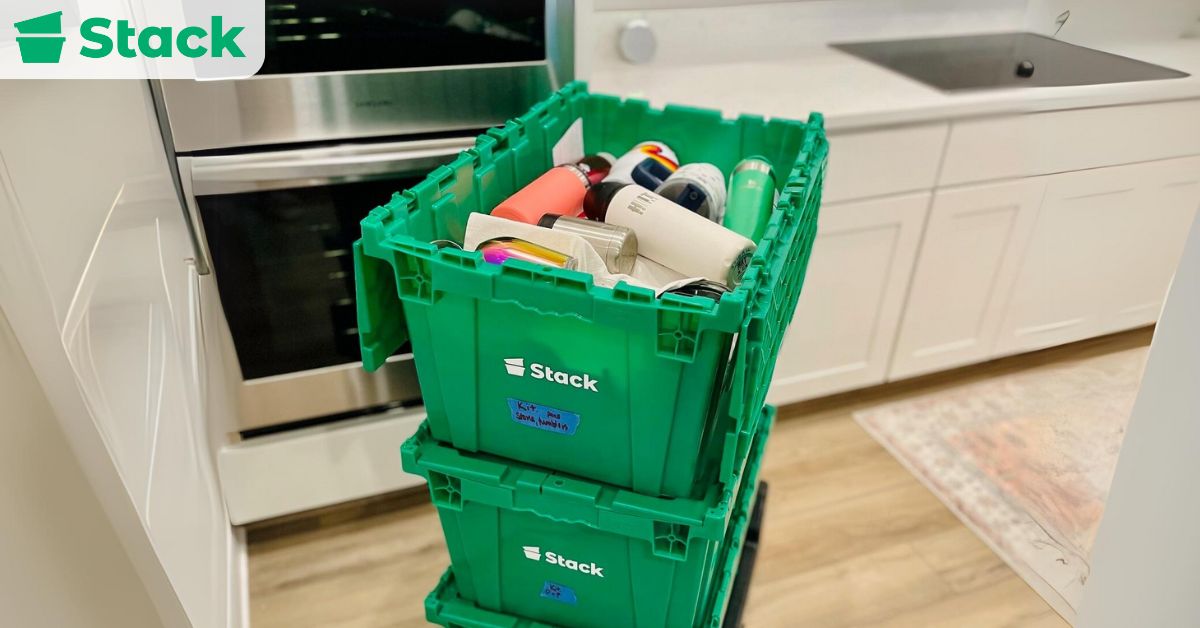
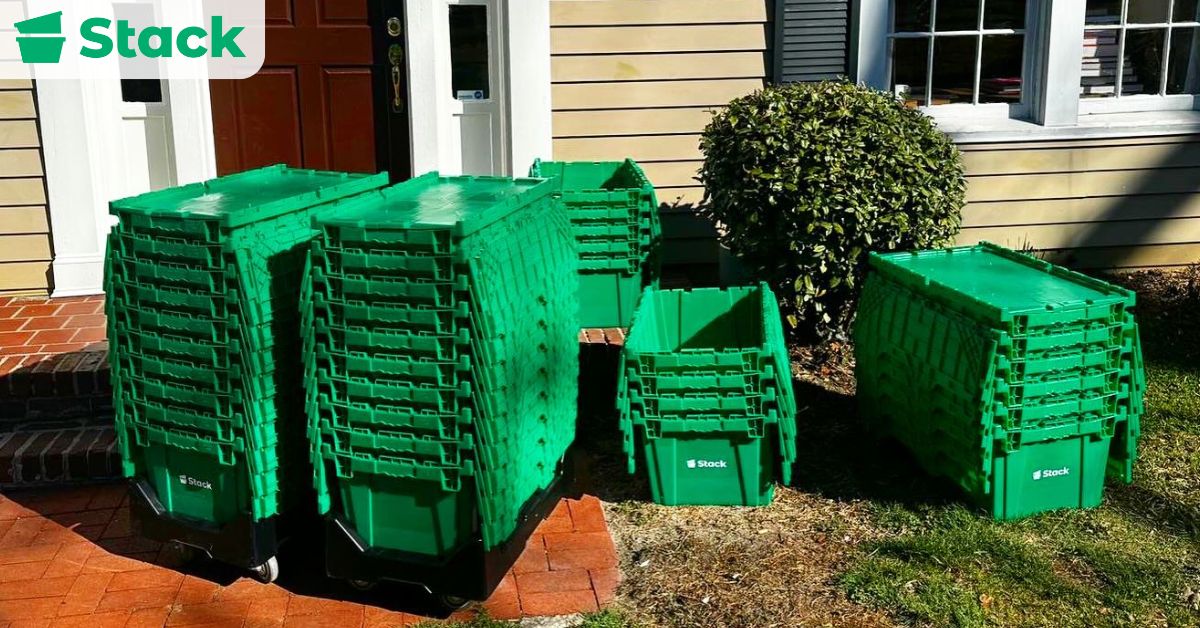
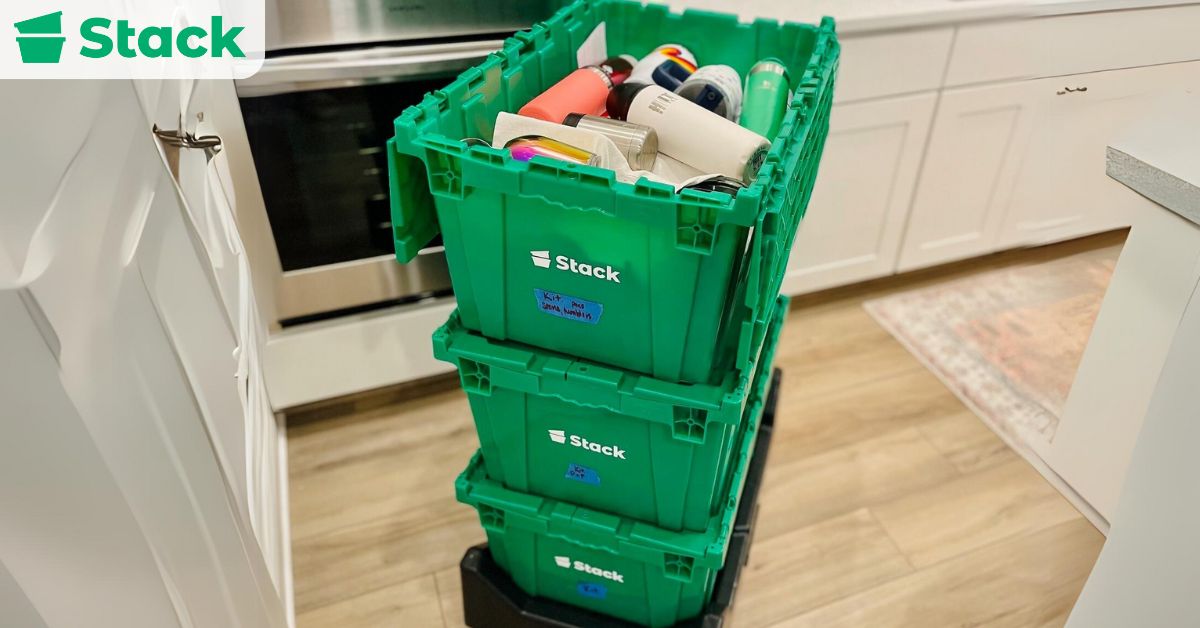
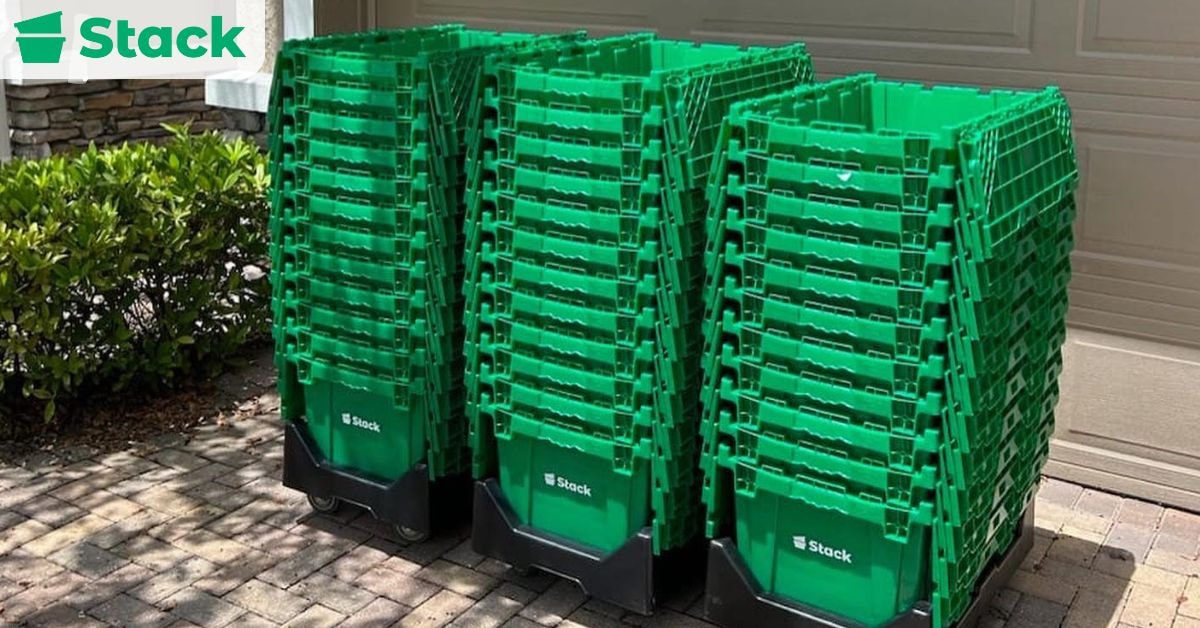
Plastic moving bins come preassembled, which saves you time you would’ve spent reinforcing your cardboard boxes. Their sturdy design keeps your items safer during transport, especially fragile or heavy ones. Once you’re done, the bins are picked up for cleaning and reuse, saving you the trouble of storage or disposal.

Plastic Bins or Cardboard Boxes: Which Packing Option Fits Your Move?
Reusable plastic bins as an alternative to moving company cardboard boxes

Cardboard boxes are ideal for movers on a budget. You can often grab used boxes for free from grocery stores, retail shops, or sites like Nextdoor and Facebook Marketplace. The catch is that you can’t determine what quality of boxes you’ll get. “When you are stacking boxes in a moving truck, uniform shape is everything,” as explained by Weaeedian. Free boxes rarely come in the exact sizes you need and used ones tend to crush at the bottom under heavy weight.

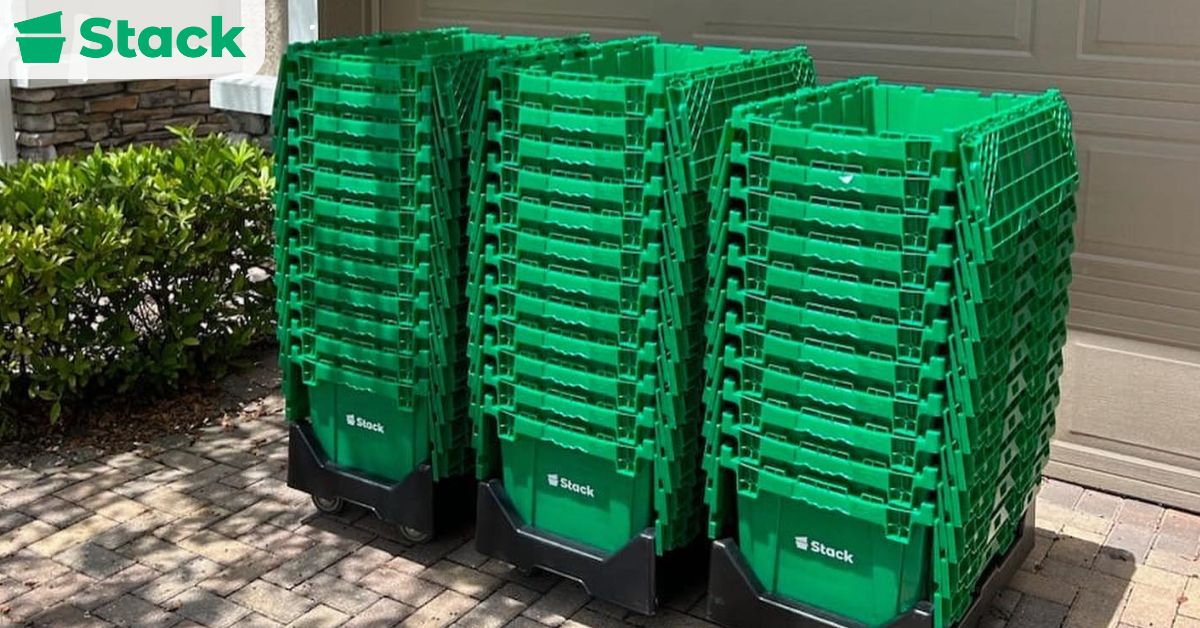
You can avoid most of these limitations by renting moving boxes. They’re sturdier, water-resistant, keep pests out, and stack cleanly thanks to interlocking lids. They’re reusable too, so they are considered a sustainable alternative to cardboard boxes.

  Cardboard Boxes Plastic Bins
Durability Can buckle or tear under weight Sturdy, won’t collapse when stacked
Cost Free to low upfront, but often one-time use Rental cost, but reusable and often works out cheaper long-term
Stack Mismatched sizes, harder to load Uniform, interlocking lids make stacking easy
Weather/Pest Protection Minimal Water-resistant, pest-resistant
Eco-Impact Over 1.7 million tons of cardboard end up in landfills yearly Can be reused hundreds of times
Ideal For Budget moves, one-off use Delicate items, longer moves, anyone who wants less hassle

If you want to skip assembly entirely, compare our reusable plastic box rental plans or explore local recycling guidelines through the EPA Waste Reduction Guide to handle leftover cardboard responsibly.

Questions to Ask Your Mover Before Booking

How much moving boxes cost when purchased from a moving company

Before you sign a quote, it’s worth confirming exactly what’s included so there are no surprises on moving day:

Are Boxes and Packing Materials Included in the Price or Billed Separately?

A quote that looks cheaper than a competitor’s might just be excluding boxes, while a higher quote could already have them baked in. With this information you can compare quotes apples-to-apples instead of getting surprised by add-on charges later.

What’s the Per-Box Cost if I Need to Buy Extra on Short Notice?

Even with a full-service or partial-service mover, people almost always underestimate how many boxes they’ll need for a move. Getting the price early allows you to budget for a buffer instead of dipping into your wallet. If you don’t know the per-box price ahead of time, you’re stuck paying whatever’s quoted in the moment.

Can I Return or Exchange Unused Boxes After the Move?

It’s common to overestimate how many boxes you’ll need and end up with extras you never used. Some movers will let you return them for a partial refund or credit. But that’s not standard practice, so it’s worth confirming.

Is There a Delivery Fee if I Need Boxes Dropped off Before Moving Day?

Some moving companies will charge you extra for delivering early instead of just bringing everything on moving day. Knowing this ahead of time lets you plan your packing timeline around what’s actually free versus what’ll cost you more.

Should You Get Your Boxes From Your Mover?
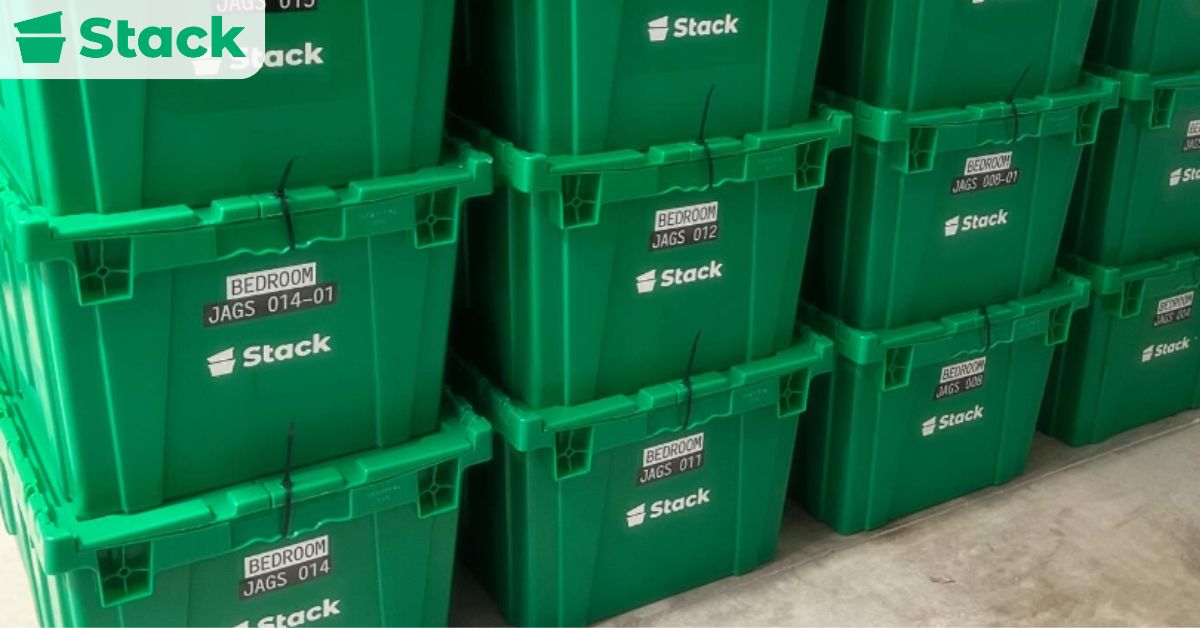
Movers loading labelled boxes, illustrating whether moving companies provide boxes

If convenience is at the top of your list, getting moving boxes from your movers is something to consider. But remember that this convenience often comes with a higher price tag, especially if boxes and packing materials are billed separately.

You can enjoy the same benefits of getting boxes from your movers at a lower cost by renting them instead. These durable boxes are built to withstand the rigors of any move and some rentals even include additional packing supplies, making the entire moving process smoother from start to finish. Don’t waste another minute! Reserve your moving boxes and have them delivered in time for moving day.

Frequently Asked Questions

Got more questions about boxes and packing? Here’s what people usually ask us before their move.

How Can I Figure Out How Many Moving Boxes I’ll Need?

It depends on your home size and how much you own. To get an exact count tailored to your layout, try our interactive moving box calculator, which estimates supply needs by room count and lifestyle.

Do Movers Prefer Boxes or Bins?

Most movers are fine with either, but plenty actually prefer bins. They stack cleaner, hold their shape better, and don’t cave in the way an overstuffed cardboard box can. Either way, a trained crew knows how to handle both safely.

Are There Eco-Friendly or Reusable Moving Box Options?

That’s precisely what Stack Moves is all about. Our eco-friendly moving boxes are made from durable, recycled plastic and built to be reused for hundreds of moves. By renting our plastic moving boxes, you can plan an organized and cleaner move. It’s a simple, sustainable way to move.

Is it Worth Paying for Movers to Pack?

That comes down to your budget and how much time you have. Paying for packing saves you hours and usually means things are packed more securely. If money’s tight, self-packing yourself and letting movers handle the heavy lifting is a solid middle ground.

Are Moving Boxes Necessary?

For most of your stuff, yes. They protect fragile items like small appliances and make loading a truck a lot easier. Big furniture is really the only exception, and that usually gets wrapped instead of boxed.

How Much Do Full-Service Movers Cost?

It varies a lot depending on your move size and distance. For local moves, full-service pricing often lands between $1,000 and $3,000, while long-distance moves usually cost more. A firm quote from your mover is the only way to know for sure.

How Far in Advance Should I Book a Professional Moving Company with Packing Services?

It’s best to book a moving company 4–8 weeks in advance, especially if you’re moving during peak season. For smaller moves or relocations outside of busy periods, 2–4 weeks lead time is usually enough to secure your preferred date and ensure the movers have time to plan and prepare your appointment.
Best Bins for Moving

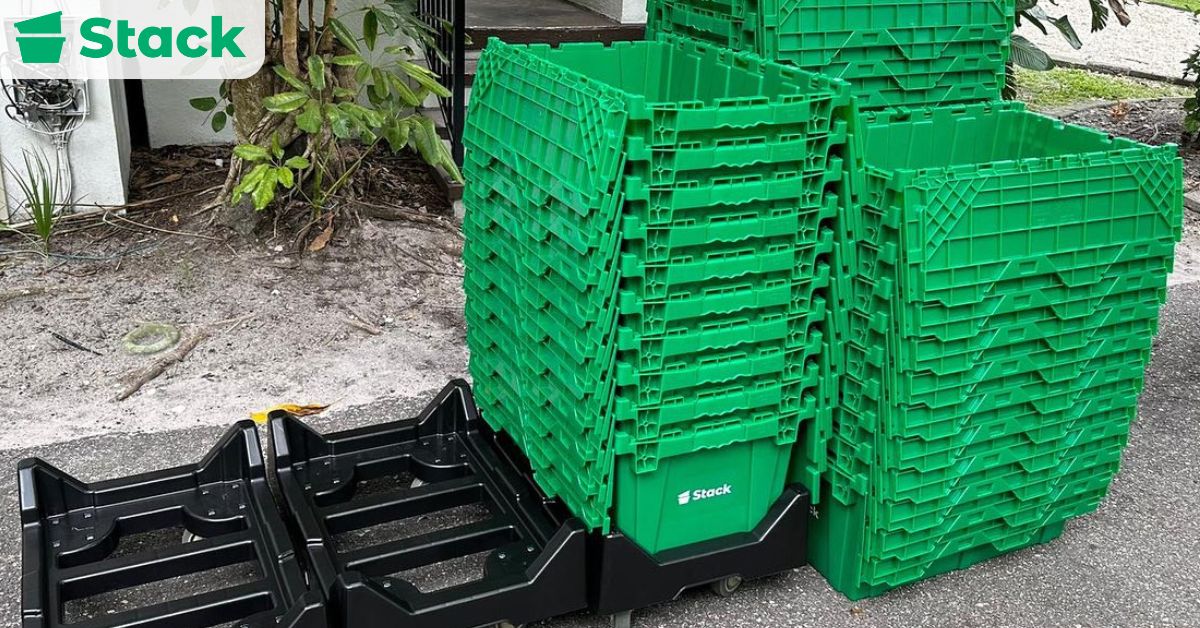
Your choice of moving bins could make or break your relocation experience. To ensure your bins are the ideal fit for your move, consider factors like durability, size, ease of use, and even eco-friendliness. Based on these parameters, the best moving boxes are plastic bins because they help keep your belongings protected during transit. After deciding what type of bin to use for your move, the next step is to acquire it.

With flexible scheduling and reliable service, Stack Moves makes your moving process smoother and more efficient. Renting boxes from us is not just convenient, it’s simple. We deliver sturdy, eco-friendly bins right to your doorstep and pick them up after your move, saving you time and gas. Contact us today to get started.

In this blog, you’ll learn about the different types of moving bins available and which ones would be best for your next move. We’ll also mention important factors to consider when choosing a box so that you don’t overlook any important details that could affect the safety of your items.

The Importance of Quality Moving Bins

The Importance of Quality Moving Bins

Key factors to keep in mind when deciding on a moving container include sturdiness, durability, and reusability. A box with these features will protect your belongings from damage and save you the hassle of looking for a replacement mid-move.

Plastic containers meet all these requirements. Although they may be more expensive than cardboard boxes, their durability and reusability allow them to withstand multiple moves. Alternatively, they can be used as long-term storage solutions, offering more value over time.

Types of Moving Bins

Types of Moving Bins

Each type of moving bin serves a specific purpose. Whether you’re packing fragile items or bulky equipment, understanding the strengths and weaknesses of each bin will help you choose the best one for the job. Here’s a quick overview of the various types of moving bins:

  1. First up are cardboard moving boxes, a popular and cost-effective option for transporting and storing belongings. They’re usually lightweight and come in various sizes that can fit all sorts of items. While they’re easily recyclable, most people tend to throw them out after use, which harms the environment. They’re also not very durable since exposure to moisture and rough handling can damage them easily. Plus, they can be hard to stack securely without crushing each other. Cardboard boxes also require tape for assembly and sealing, which adds an extra step to the packing and unpacking process.
  2. Next on this list is plastic bins. When rented, these are another budget-friendly alternative. They’re more durable than cardboard boxes, as they can withstand moisture, pests, and high impacts. They also provide better security since they often have lids that eliminate the need for tape. Unlike cardboard moving boxes, these boxes are stackable, which makes them ideal for long moves and storage. However, on the downside, plastic boxes are more expensive if you decide to buy them. That’s why we advise movers to rent plastic bins instead.
  3. Lastly are specialty bins. These types of boxes are designed to offer optimal protection for specific items. Examples of such containers are wardrobe boxes and dish pack boxes. Cardboard wardrobe boxes come with a bar for hanging clothes to prevent wrinkles and damage during the move. Meanwhile, dish-pack boxes have dividers to protect fragile dishes and glassware. Specialty bins are typically more expensive than standard cardboard or plastic bins. Keep in mind that they may not be necessary for all moving situations. They are also bulkier and require more storage space when not in use.

Best Storage Totes for Moving

In addition to the types of moving bins mentioned above, moving totes are another excellent option to consider for your move. Whether you should use boxes or totes depends on factors like the duration of storage and the need for protection against natural elements.

If you plan to store your items for a long period of time, a tote would be a better choice. Not only are they durable, but they also offer protection against moisture, dust, and pests. They’re the recommended storage option for regions with high humidity or pest concerns, as their water-resistant and seal-tight designs keep your items safe from environmental damage.

Furthermore, if you’re someone who moves a lot, plastic totes are a more durable and reusable option. They’re easy to label and stack, making repeat moves much more manageable.

Organizing Boxes for Moving

Organizing Boxes for Moving

Whether you rent bins or use your own storage container, knowing how to organize your moving boxes can make your move much smoother. Start by grouping your belongings into categories like clothing, shoes, and kitchenware. You can also color-code your boxes by room to make things even simpler. You should also label each box on multiple sides so you can easily spot what’s inside when you want to unpack.

One reason to take organizing your moving boxes seriously is that it helps you avoid damage during the move. For example, heavy stuff like books should be kept in small boxes so that they’re easier to carry. Failing to do this could lead to strained backs or damaged boxes. Your bigger boxes should be used for lighter but bulkier items like pillows, blankets, and comforters. Pack fragile items with packing paper, bubble wrap, or even old newspaper to create a cushion that can absorb any shock and prevent damage.

It also helps to pay attention to how you load your boxes into the truck or storage unit. To keep everything stable, keep heavier boxes on the bottom and lighter ones on top. Keep a moving inventory list of everything you’re packing to make finding it easier later. This is especially handy if you’re renting temporary storage space.

When you’re ready to unpack, set your boxes in a designated spot in each room. Try to unpack one room at a time so you can avoid making a big mess.

Choosing the Right Moving Boxes

Key Features to Look For When Choosing the Best Bins For Move

Before choosing a storage bin, consider key features like durability and stackability, which could make your move significantly smoother. Below, we highlighted a few non-negotiable features to look for when selecting a moving box.

Number one is durability. Look for bins made from high-quality, durable materials capable of withstanding heavy weights and preventing damage to your items. Plastic bins often offer more protection against impacts and harsh conditions compared to cardboard boxes, especially for heavy books, household goods, and fragile items. Durability is essential for long-term storage and ensuring your belongings survive the move.

Another feature to consider is size and capacity. Small boxes may be ideal for heavy items or books, while larger bins are better suited for bedding, clothes, and lighter, bulkier items. Consider the maximum volume you’ll need to store clothing, oddly shaped items, camping gear, and more. Clear plastic storage bins can help you easily identify contents, saving time and hassle.

When acquiring moving boxes, you should also consider stackability. Stackable boxes allow for safer and more compact loading into moving trucks and storage spaces. Look for boxes with designs that ensure stability when stacked. This prevents toppling and saves precious space. This feature is particularly useful for storing items in small spaces and garages or for organizing holiday decorations and other seasonal items.

Security should also be considered before getting moving boxes. Features such as lockable lids and sturdy handles enhance the security and portability of your belongings. Lockable lids provide peace of mind for those storing valuables or moving sensitive items, while robust handles make lifting and transporting boxes easier, reducing the risk of dropping and damage. These features are essential for both residential and corporate moving bins, ensuring that everything from personal clothing to office equipment is safely transported.

Lastly, you should also consider sustainability. With environmental concerns growing, selecting eco-friendly and reusable bins is increasingly important. Plastic bins, while not always biodegradable, offer the advantage of reusability for multiple moves or storage needs, reducing waste. Look for storage solutions from providers committed to sustainability, offering boxes made from recycled materials or participating in recycling programs.

How Do You Secure Plastic Bins for Moving?

How do you Secure Plastic Bins for Moving?

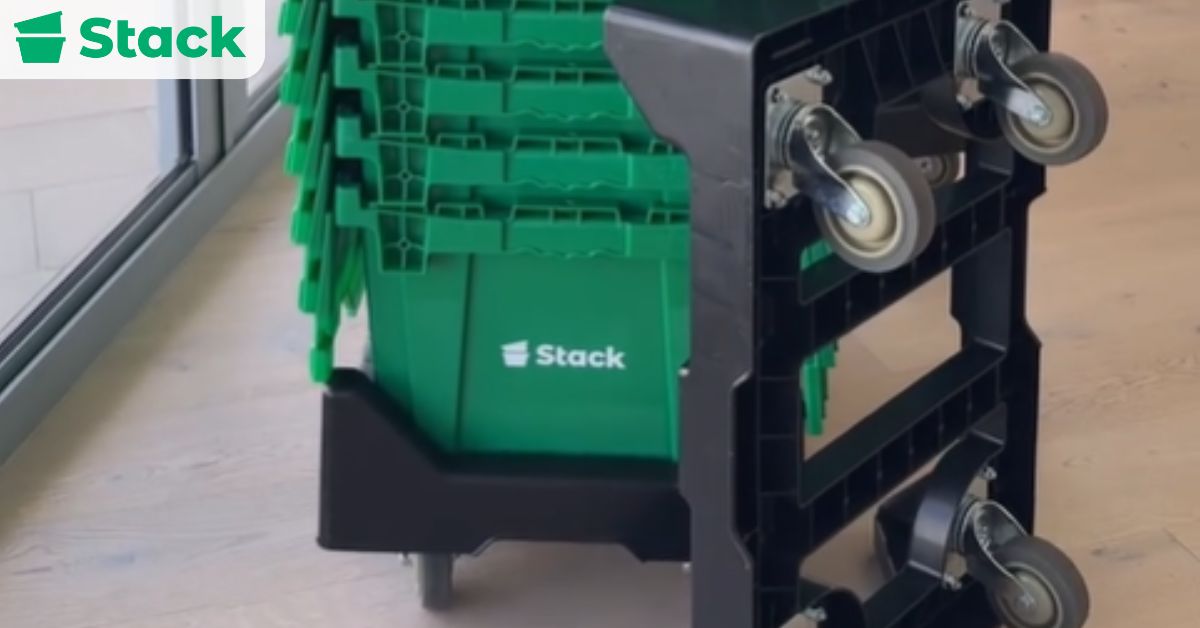
Moving dollies are excellent for transporting heavy plastic boxes safely. They allow you to move multiple boxes at once, reducing the physical strain and speeding up the moving process. Make sure to secure the bins on the dolly with straps or bungee cords to prevent them from sliding off during transport.

Movers generally accommodate plastic bins without any issues. Many professional movers actually prefer them over cardboard boxes due to their durability, ease of handling, and stackability. Plastic boxes offer more protection for your items, especially if they are equipped with sturdy lids. Often, plastic bins also have handles on the sides, which makes carrying them much easier. However, it’s always a good idea to inform your moving company about the type of containers you plan to use so they can prepare accordingly.

Will Movers Move Plastic Bins?

While there’s no rule against it, there are a few reasons why your movers might refuse to move your plastic bins. For example, movers can refuse to pack boxes that are overfilled, not sealed or labeled properly, or visibly damaged. Professional movers are expected to ensure the safety of your items, so it’s no surprise they would want to avoid any situation that could lead to potential losses or damage.

To prevent this from happening, try to keep the weight of each box manageable. This means you should avoid overloading your boxes. Also, make sure each box is properly sealed and labeled. If your plastic bins are damaged and cannot be sealed, consider using another box to pack your belongings. Movers will hesitate to transport your damaged bin because they don’t want to be held responsible for damaging or losing your belongings. Taking these precautions will make it easier for the movers to handle your bins and ensure a hassle-free move.

Where to Get Storage Bins for Moving?

Where and How to Rent Moving Bins

If you are looking to buy moving boxes but aren’t sure where to get affordable ones, we recommend trying local supply stores and online retailers like Amazon. However, renting boxes is typically the lower-cost choice, especially for short-term use.

Rental companies typically deliver and pick up the bins, saving you time and effort. Some moving companies may also offer this service, but it’s not guaranteed. In most cases, the bins must be ready for the road when the movers arrive.

To rent plastic bins from Stack Moves, all you have to do is:

  1. Choose your suitable rental package. Our packages are designed to accommodate everything from small apartments of 1 bedroom to large homes of 3 bedrooms.
  2. Pick a delivery date and time. Once you’ve selected your package, schedule a delivery date that works for you. We recommend scheduling the delivery a few days before you plan to start packing to give yourself plenty of time.
  3. Move to your new home. After packing, transport your bins to your new home. The sturdy design ensures your items stay secure during the move.
  4. Plan for pick-up. Once you’ve unpacked, schedule a pick-up for the bins. We’ll come to collect them, so there’s no need for you to deal with disposing of or storing empty boxes.

What Is the Cost of Plastic Bins for Moving?

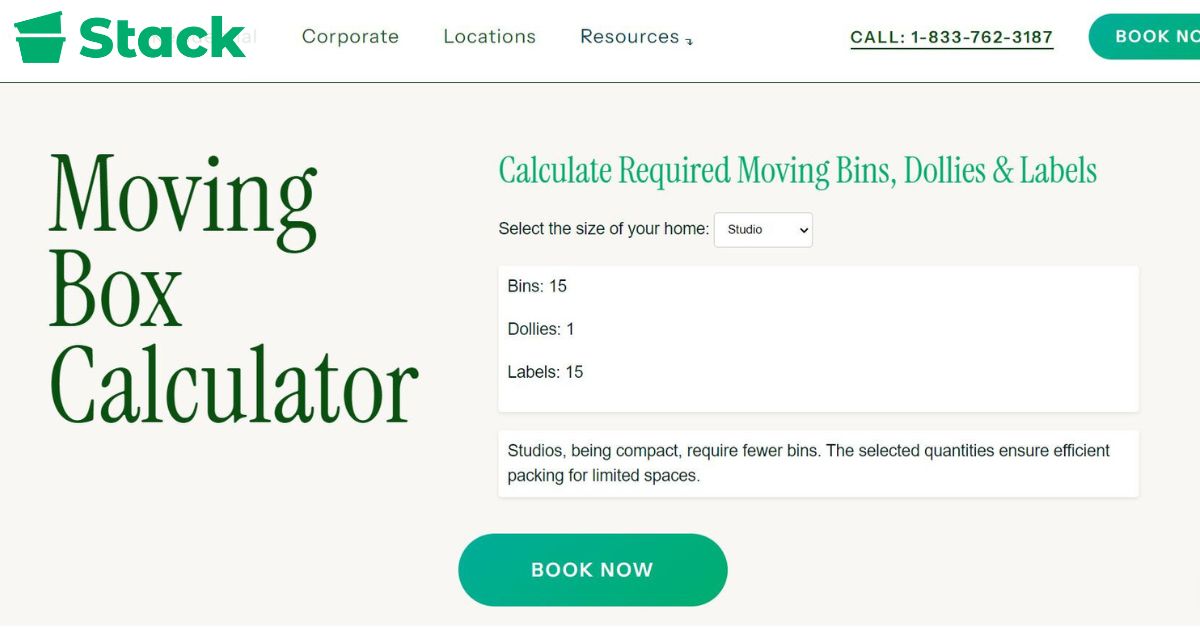
Plastic bins cost between $10 and $30 per box. Even for a small move, like a studio apartment, you would need around 15 bins. Thus, buying plastic bins is a significant expense for many movers. This is why we advise movers to rent plastic bins instead. With as little as $1.50 – $3.00 per box, you can rent moving boxes per week.

Renting moving boxes isn’t just economical; it’s incredibly convenient, too. Many rental services offer delivery and pickup as part of their package, saving you the time and effort needed to get these boxes yourself. Plus, they sometimes provide complimentary packing supplies such as labels and dollies alongside these boxes to make your move even more organized.

If you have to buy your moving boxes, the best moving boxes to buy are plastic ones. When compared with other bins, they are more durable meaning they provide better protection for your belongings. They’re also water-resistant, reusable, and can be stacked, making them a reliable choice for any move. Even though the initial cost of purchasing them is high, their long-term benefits outweigh those of traditional cardboard boxes.

Want to Rent Plastic Bins?

The type of move, be it residential or corporate, plays a major role in determining what you should look for in a moving bin. Corporate moves require durable bins that can protect sensitive equipment, such as computers, as well as important documents. On the other hand, residential moves need bins that are flexible and stackable to hold a variety of household items. Choosing boxes that align with the move you’re planning will ensure you enjoy a hassle-free move.

In planning for a move, many things will need your attention, from logistics to packing. By renting plastic bins, you don’t have to worry about whether or not your boxes are sturdy enough to support your move.

Stack Moves bins provide the durability and flexibility needed to transport your belongings safely, regardless of whether you are relocating your household or business. Contact us to reserve your bins and enjoy a more organized move.

Why Are Moving Boxes So Expensive?

Moving boxes are a crucial part of every move, but there’s one problem: they tend to be rather expensive. But why are moving boxes so expensive? Typically, it comes down to the quality of materials, demand, and high production costs. 

However, there are various ways to keep your costs low. You can use a moving box calculator to help you avoid overbuying boxes. Just enter how many rooms you need to pack, and you’ll get a reasonable estimate of the number of bins, dollies, and labels you’ll need. Planning ahead and renting your moving supplies instead of buying them can also save you time, effort, and money during your move.

At Stack Moves, we have years of experience helping people move with as little stress as possible. To help save money, reduce waste, and streamline your moving experience, we offer high-quality, affordable moving bins for rent. If you’re planning your next move, contact us so that you don’t end up spending a small fortune on boxes you might never use again.

In this blog, we’ll discuss the cost of moving boxes, why they’re so expensive, and how you can save money with alternatives.

How Much Do Moving Boxes Cost?

How Much Do Moving Boxes Cost?

Many people facing an upcoming move wonder, “How much do moving boxes cost?” The price of moving boxes varies depending on the size and type you choose.

Small cardboard boxes, for example, are usually between $1 and $3. Medium-sized boxes are $2.94 on average, while larger boxes can cost as much as $6. Extra large boxes go for around $8.

As for specialty boxes, options like wardrobe boxes that have a metal bar on which you can hang your clothes can go for up to $20 each.

Corrugated boxes, which boast enhanced durability, can cost anywhere from $1 to $5 for standard boxes and from around $8 to $20 for specialty boxes.

Plastic boxes can be even more costly. On average, you can expect to pay anywhere between $10 to $30 per box.

The Hidden Costs of Moving Boxes

The total price can quickly become overwhelming, given the number of boxes you’ll need. However, if you stick with traditional cardboard boxes, you might have to deal with other costs.

Potential Damage to Belongings

While they can be relatively sturdy, cardboard is inherently a weak material. As a result, using cardboard boxes can easily lead to damaged and broken belongings. Many people choose cardboard boxes because they’re cheaper than more durable options like plastic bins, but the cost of replacing damaged items quickly outweighs any potential savings.

Additional Packing Materials

It’s not just the boxes you’ll need to buy, either. To ensure that your glass-wear and other fragile items are safe during the move, you’ll have to purchase bubble wrap, polystyrene balls, paper, and all manner of other packaging materials. You might spend an additional $100–200 on these materials for even a small move.

Time and Effort

Don’t forget the additional cost of your labor. Packaging boxes take a lot of time, especially if you have many fragile items that need extra care.

What Makes Moving Boxes So Pricey?

What Makes Moving Boxes So Pricey?

Moving boxes haven’t always been quite so expensive. In recent years, a variety of economic factors, including supply chain issues and production costs, have impacted packaging materials of all kinds.

Material Quality

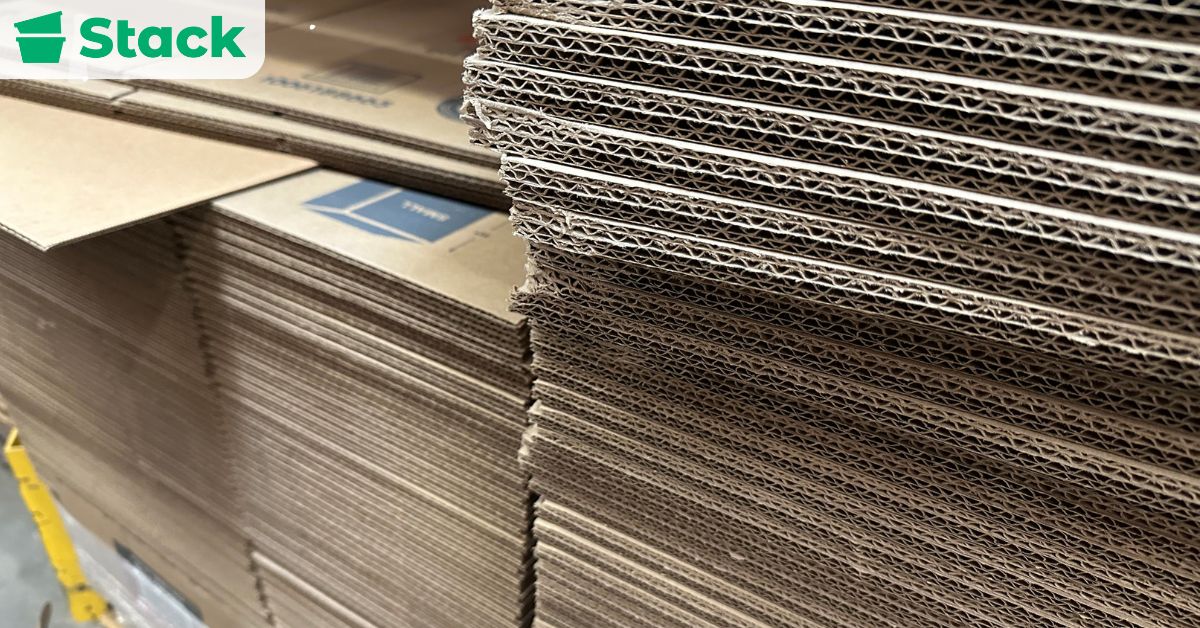
There are vast differences in materials available for these boxes. Cardboard boxes come in two main options: single-walled and double-walled. Single-walled boxes have just one wall of cardboard material, while double-walled ones have two. Splurging on the latter can mean better protection for your belongings.

Raw Material Issues

Cardboard packaging is made from wood pulp, which comes from trees. Deforestation issues, as well as environmental regulations, have put a strain on the supply chain, spiking overall costs.

Increased Demand

As online shopping has become more commonplace, the demand for cardboard has only increased. Further contributing to this demand is the rising popularity of sustainable packaging trends, such as using recycled cardboard boxes. However, as paper mills and other manufacturers struggle to keep up with this increased demand, the price has nowhere to go but up.

Production Cost

Production costs of cardboard packaging are also higher than they’ve ever been because of the reliance on automation and other technological advancements. For manufacturers to be able to profit, they have to pass down the additional costs of technological implementations to consumers.

Supply Chain and Logistics

It’s not just the manufacturing process that is expensive. Companies have to store the boxes and ship them to you when you purchase them as well. That all adds to the overall cost of the packaging.

Environmental Factors

These days, companies are focused more on sustainability and eco-friendly manufacturing. Such processes, including recycling and green production, are often more time-consuming and expensive. To make up for these additional costs, manufacturers will often increase prices.

Price Comparison: Buying Cardboard Boxes vs. Alternatives

Price Comparison: Buying Cardboard Boxes vs. Alternatives

An alternative to buying new cardboard boxes can be choosing second-hand options or even plastic. But are these really better options when it comes to price and environmental impact?

New vs. Used Boxes

New boxes are sturdy and less likely to lose their shape. They also don’t have water damage or lingering smells, which pose a risk to your belongings. The drawback is, of course, price. New cardboard boxes can cost anywhere between $1 and $8, depending on size.

Used boxes tend to be cheaper, often half the cost of new ones. There are drawbacks, however. They can be weaker than new boxes and could even sag if they’ve been exposed to water. You also run the risk of encountering mold.

If you’re looking for where to find cheap boxes, there are many options, including online retailers and recycling centers.

Plastic Moving Bins

Buying plastic bins can cost between $10 and $30, but renting them is a possibility that can save you a lot of money. Even if you choose to purchase them, these are sturdy bins that will last you for years. It’s an investment that can more than pay for itself.

Plastic moving bins are resilient. They generally don’t get damaged if they get wet, and they won’t collapse on you when you pick them up.

Renting Moving Boxes

Perhaps the best option of all is to rent moving boxes. Not only is this better for the environment since you won’t be feeding into the deforestation industry, but it’s also better for your wallet. When you rent plastic options, the prices tend to be significantly lower than you can imagine.

Purchasing 15 of the cheapest plastic bins at $10 each will cost $150. But renting them costs just $129—and this includes a dolly and 15 labels.

The convenience, too, is unmatched. You don’t have to worry about where to store the bins when you’re done with them or take them to any recycling sites.

How to Save Money on Moving Boxes

How to Save Money on Moving Boxes

If you’re still struggling to lower your costs and keep your move affordable, here are some tips on how you can save money on moving boxes.

Buying in Bulk

Buying boxes in bulk can earn you good deals. Many online retailers offer that option, but you can also find them at UPS.

Rent Moving Boxes

When you rent moving boxes, you can get the best prices without having to stress over taking items over to recycling centers. All you do is turn them in, and you’re done.

Seasonal Sales and Discounts

Most people choose to move in the warmer months, so you may have better luck getting cheaper boxes if you try to get them in the fall or winter. Because there will be less demand, prices could dip significantly. Watch out for the holidays, however, since that’s when people are doing a lot of gift shipping, and prices could rise.

DIY Alternatives

You can also go for creative packaging options. For fragile items, why not wrap them up in a comforter and slip them into a crate? You can use bags for clothing and even suitcases and backpacks. Laundry baskets and hampers are also helpful. If you’re moving a dresser, stuffing your clothes and other smaller items into its drawers can easily save you a box or two.

Check Online Marketplaces

You can find good deals on online marketplaces, especially ones that cater to your area. You may even be able to pick the boxes up, saving you shipping costs.

How to Choose the Best Moving Boxes for Your Needs

How to Choose the Best Moving Boxes for Your Needs

When deciding on the right boxes for your move, you’ll want to keep a few key things in mind.

Size and Weight Capacity

Not all boxes are suitable for all items. As great as it would be to pack a lot of books into one extra-large box, those boxes may not be made to carry such items, potentially leaving you with a pile of books falling on your feet. Here’s a quick rundown of what each size can carry:

  • Small Boxes: Books, canned goods, DVDs
  • Medium Boxes: Decorative items, kitchenware, toys
  • Large Boxes: Large kitchen appliances, lamp bases, linens
  • Extra-Large Boxes: Large household appliances, bedding, tools

Knowing the best size boxes for each type of item can save you time, money, and heartache. 

Specialty Boxes

Some items require their own special boxes. There are television boxes, for example, that can keep your electronics safe during the move because they’re sturdier and have the right shape for the task. Dish packs are made of corrugated cardboard to protect your dishes and other delicate items, while wardrobe boxes have rails to hang your clothes, making transportation much easier without the risk of damaging fine fabrics.

You can find specialty boxes online and in stores that offer packaging supplies.

Interested in Renting Moving Boxes?

Buying cardboard boxes or plastic bins can be very costly. The high demand of recent years has skyrocketed the prices of these boxes, but you don’t need to spend a fortune when there’s another option available. Renting boxes can help you save money and make your whole move more efficient.

At Stack Moves, we are dedicated to helping people enjoy smooth, cost-effective moves with affordable and durable plastic bins. Contact us to learn more about renting moving boxes today.

Totes or Boxes for Moving – Which is Better?

Worrying about which packing material to use for your move is a universal experience. After all, the right moving container will ensure all of your valuables and items arrive in pristine condition, while a bad one could spell out potential damages. Ultimately, you should consider the pros and cons of each type of box based on the items you plan to move and your budget before making your final choice.

Generally, people prefer to get cardboard boxes since they come at a low price and can even sometimes be acquired for free. However, plastic totes are a smarter choice because of their durability and waterproof nature. They are also better suited for packing fragile items that require extra protection. Plus, unlike moving boxes, they can be reused for multiple moves, making them a more reliable option.

Stack Moves offers sturdy bins for rent that are the perfect solution for your next upcoming move. Don’t miss the chance to enjoy a stress-free packing experience with our convenient delivery and pick up services. Contact us today to learn more about how we can help you achieve a seamless move.

In this blog, we will help you make an informed decision on whether to use totes or boxes for moving. By understanding the benefits and drawbacks of each option, you can choose the packing materials that best fit your specific moving needs, ensuring a more efficient and stress-free move.

What to Use for Your Move?

What to use for your move

Several factors come into play when picking a box for your move; one such factor is the nature of your move. For example, when moving to damp environments, cardboard boxes tend to absorb moisture and weaken over time, putting your belongings at risk. However, plastic bins are water-resistant and better suited for protecting your items from water damage.

Another factor to consider is what items you need to pack. For example, if you need to pack heavy items like books, you should choose small, sturdy boxes to avoid overload the box and making it too heavy to carry. Overstuffed boxes are a safety hazard as your chances of hurting yourself when lifting this box are higher. These examples highlight how the nature of your items should guide you in choosing the best bins for moving as well as the best-sized boxes for your items.

It’s also important to think about how many boxes you’d need for your move so that you don’t end up paying for more than you need or running low on storage space. Rather than leave this to chance, give our moving box calculator a go, and it will give you an estimate of how many boxes you need for a particular move.

Types of Moving Boxes

There are typically three types of moving boxes: standard cardboard boxes, plastic containers, and specialty boxes. Generally, cardboard moving boxes are the traditional choice for moving. They come in various sizes, can be easily stacked, and are budget-friendly, as you can often get them for free. Traditional cardboard boxes are ideal for heavy and non-fragile items. However, a downside to them is that they aren’t very durable, especially when exposed to moisture. They also have a tendency to break and get crushed when stacked too high or heavy, damaging both the box and the items inside. This is especially common with corrugated cardboard boxes.

This is an area where plastic bins take the lead; their enhanced durability allows them to provide superior protection to your belongings. Unlike cardboard boxes, plastic totes have greater resistance to physical impacts and the weather. They can also be stacked securely to help you save space in your moving truck.

The last type of moving boxes are specialty boxes such as wardrobe boxes, dish boxes, and any other box specifically designed to carry certain items. Specialty boxes are usually reinforced with elements that provide extra protection and organization for fragile and awkwardly shaped belongings like your artwork and hanging clothes. The cost of specialty ranges from as low as $8 and as high as $15 upwards.

Types of Moving Totes

Plastic storage totes and heavy-duty moving totes are the two types of moving totes. Plastic totes are suitable for items that need to be protected from moisture and dust, with dimensions 30″L x 15″W x 13″H. They are sturdy and can be used for multiple moves. 

On the other hand, heavy-duty moving totes are designed to carry heavy items and are built to withstand rough handling, with dimensions 45/48″L x 40″W x 46/53″H. They are ideal for long-distance moves and long-term storage. Generally, moving totes costs between $10 and $50.

Pros and Cons of Using Totes VS Boxes

Pros and Cons of Using Boxes VS Totes

When deciding between a plastic tote and boxes for your move, you should weigh the pros and cons of each option. Some practical considerations to help you make an informed decision include ease of transport and handling, storage flexibility and space management, and protection of belongings during transit. 

Advantages of Using Boxes

The cost-effectiveness of boxes, especially when gotten for free, is one of its top advantages. This makes them a practical solution for anyone planning to move on a tight budget. Also, these boxes are lightweight, making them easy to carry and transport. Another advantage of cardboard boxes is their flexibility. They come in various sizes, which makes it easier to find a box that matches your specific needs; for example, a small box can be used for your books and a large one for your comforters. Because cardboard boxes are easily recycled, they can be an eco-friendly way to pack when disposed of properly.

Disadvantages of Using Boxes

A major reason why boxes could be a poor choice is that they are less durable than totes for long-term use. They often require additional reinforcements like tape to maintain their shape integrity. Similarly, without adequate padding from items like bubble wrap, when these boxes collapse, the crushing process can damage the items inside of them. Not to mention, they become less durable with each use, making them more useful for one-time moves and not repeated moves.

A cardboard box won’t fare well in moist environments. When exposed to humidity, these boxes become weaker and sometimes fall apart completely. This is why they are such a bad choice when moving during rainy seasons or for storage in damp environments. Another issue with cardboard boxes is that they sometimes attract pests like silverfish, ants, and mold because they are made of organic materials.

Advantages of Using Totes

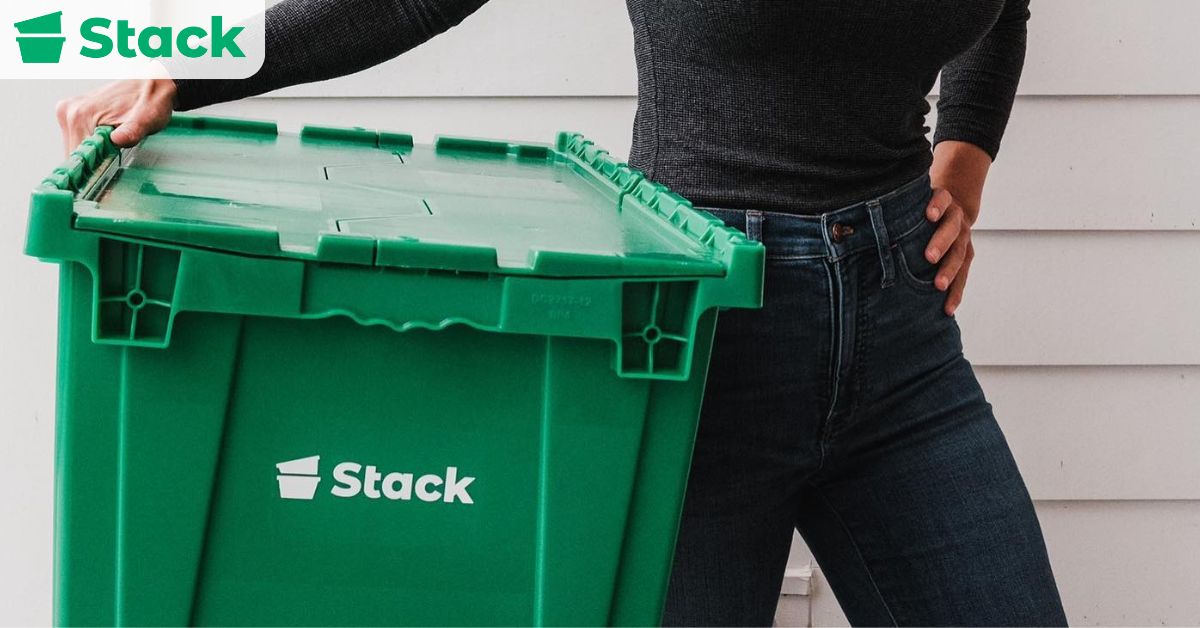
For plastic totes, their durability and reusability stand as their biggest advantages. While moving boxes are somewhat durable, plastic totes are specifically built for long-term use, making them more reliable in this case. Another primary reason plastic totes are better for packing is because of their resistance to moisture and pests. Their tight seals and more robust designs offer extra protection to your belongings in harsh environments. Totes also come with built-in ergonomic handles, which makes transporting them more practical and easy.

At Stack Moves, our standard-sized bins are measured 16” x 12” x 12″ and are designed for optimal stacking and handling. Because our bins come in uniform sizes, it is easier to stack and label them, making your move more organized. Not to mention, they can make packing more convenient since some rental companies, such as Stack Moves, include complimentary packing supplies like dollies when you rent moving bins.

Disadvantages of Using Totes

Totes are a great option for moving but there are a few disadvantages to using them. The biggest downside is the higher initial cost. When compared to cardboard boxes, investing in and buying plastic totes is only cost-effective in the long run, which could be a problem for those on a tight budget. This is why we advise movers to rent their moving bins instead of outright purchasing them so that they can enjoy the benefits of moving with totes without the financial commitment.

Additionally, plastic bins are heavier than cardboard boxes. When filled, it can be a real pain moving them around. The best way to avoid this problem is to make sure you don’t overstuff your bins and use a dolly to make transporting them easier. These bins also take up more space in your moving truck; while they are easy to stack, their rigid shape makes it harder to work with them in limited spaces.

Despite these drawbacks, the overall benefits of durability, moisture resistance, and reusability leave totes as a preferred option for moving.

Should You Use Totes or Boxes for Moving – a Situational Decision

Should You Use Boxes or Totes for Moving - a Situational Decision

Deciding whether to use totes or boxes for your move depends on your specific circumstances and needs. Here’s a guide that paints the best situations to use plastic totes or boxes for moving:

A. Best Scenarios for Using Boxes

If you’re moving for a short period or need temporary storage, plastic tubs are ideal. They come preassembled and are easy to pack with. Likewise, for those on a tight budget, renting moving bins is an economical choice since they come at an affordable price point. When packing, moving companies will stack boxes floor to ceiling, and plastic bins are designed in such a way that boost stackability.

B. Best Scenarios for Using Totes

Professionals in the moving and storage industry encourage the use of totes for long-term storage because of their enhanced durability. They are also great for people who move frequently and can protect your belongings from dust, moisture, and pests. Using totes is also helpful for moves in regions with high humidity, as they are water-resistant and seal tightly. Thus, keeping your items safe from environmental damage.

Our Recommendation for Packing Totes VS Boxes

Our recommendation for Packing boxes vs totes

For the most efficient and secure moving experience, we recommend using totes for your next move. These bins combine protection, cost savings, and convenience to guarantee a hitch-free transition to your new home. While moving boxes are useful in their own right, plastic bins are ultimately a more suitable option for moving.

For enhanced organization, you can use small totes as internal storage within rented bins. This way, you can keep fragile or specific items more secure while still benefiting from the space-saving.

Have Questions about Moving?

When deciding between totes and boxes for your move, consider your specific needs and priorities. Boxes are ideal for budget-friendly, short-term moves and offer flexibility with various sizes. Plastic totes, on the other hand, provide superior protection and durability, making them suitable for long-term storage and frequent moving.

For the best of both worlds, consider using smaller totes within larger rented plastic bins to maximize space and organization. This method ensures you have the right combination of durability, protection, and cost-effectiveness.

For a stress-free moving experience that protects your belongings, use Stack Moves. When you order from us, you get everything you need for your move, from dollies to totes and labels. Schedule your move for free and explore our pricing for moving bins.

Best Totes for Moving

When planning a move, totes present themselves as an excellent option to use as storage containers. Depending on what you’re trying to pack, the best totes could be heavy-duty, fabric-moving, collapsible, or specialty. With such a wide variety of totes available, there’s something to fit everyone’s needs.

At Stack Moves, we offer a range of moving bins for rent to help make your move as stress-free as possible. Although we do not offer totes, our bins have all the ammenities a tote might offer – they are durable, easy to stack, and convenient to transport, but without the hassle and added cost of having to go and buy them. Contact us to help plan your move!

This blog will explore the best totes for moving. It will include their features and benefits and explain how to choose the right one for your needs. 

Can you Use Totes as Moving Boxes?

Can you Use Totes as Moving Boxes?

Yes, you can use totes as moving boxes or storage bins. Totes, especially heavy-duty plastic ones, are excellent for moving because they are durable, reusable, and offer better protection for your belongings compared to traditional cardboard boxes.

However, unlike plastic moving bins, totes are rarely available to rent. You would typically need to buy totes, which can be more expensive than renting or buying cardboard moving boxes.

That is why we recommend that you go for our plastic bins at Stack Moves. They serve the same purpose as totes and come with added benefits, such as dollies for easy transport and labels for better organization. 

Types of Totes for Moving

There are different types of moving totes, each suited for different needs. These include heavy-duty plastic totes, fabric moving totes, collapsible totes, and specialty totes.

  • A. Heavy-Duty Plastic Totes

    Heavy-duty totes are made from high-density polyethylene or polypropylene and often come with snap-on or lockable lids for extra security. The average size of a standard heavy-duty plastic tote is 28.55″ x 19.61″ x 15.27″. These totes can cost between $15 to $30 per tote. They protect your belongings from moisture and dust and are ideal for heavy items like books and tools. They are also perfect for long-term storage of household items. When buying heavy-duty totes, we recommend Rubbermaid storage totes and Sterilite Latching plastic storage bins. 

  • B. Fabric Moving Totes

    Fabric moving totes are lightweight, making them easier to carry and maneuver. They can cost between $10 to $20 per tote. These totes can be folded when not in use and often have multiple compartments for better organization. The average size of these totes is 23.6” x 11.8” x 11.8”. Ideally, fabric totes are perfect for clothing, linens, and lightweight household items. If you want to buy fabric totes, you should go for Ziploc flexible totes or CleverMade collapsible fabric storage bins.

  • C. Collapsible Totes

    As the name implies, this type of tote is collapsible and does not take up storage space when not in use. Due to their lightweight, they are easy to transport when empty, and they are made from durable plastic or fabric. The average size is 17.44″ x 12.05″ x 4.8″. Collapsible totes cost $15-$60 per tote. They are ideal for temporary storage during a move. Therefore, only lightweight items can be stored in them. When buying collapsible totes, we recommend CleverMade collapsible totes and Rubbermaid collapsible totes. 

  • D. Specialty Totes

    These are totes for fragile items like electronics and glassware. They come with built-in padding to protect these fragile items and cost $20 to $40 per tote. Specialty totes also have enhanced locking mechanisms to keep content secure, and they are weather-resistant. We recommend going for IRIS Weathertight storage boxes or Plano Storage Trunk when buying specialty totes.

What Moving Containers are Best for Moving?

Types of Moving Boxes

In our experience, using plastic moving-boxes or totes are the go-to option when moving since they are both made from durable materials. However, renting plastic bins is not only durable, but they are also eco-friendly and offer excellent protection for your belongings. They are ideal for heavy-duty items, long-term storage, and protecting contents from moisture and dust.

On the other hand, we wouldn’t recommend cardboard boxes even tho they are the most common choice for moving as they are inexpensive. You can even get them for free in some retail stores. These cardboard boxes come in various sizes but are not as durable as plastic bins. They are suitable for lightweight items and short-term use. 

In addition, specialty bins are designed for specific items such as fragile goods, electronics, and clothing. They often come with custom padding and compartments to provide extra protection during the move.

How Much Do Moving Boxes Cost?

You can either purchase cardboard moving boxes or find them for free from places like grocery stores or online marketplaces like Amazon or U-Haul.  However, if you prefer to go for plastic containers, they can cost between $1-$8 per moving box.

We recommend that you go for moving bins for rent. This way, you do not need to bother about storage space after usage. Additionally, specialty bins are more expensive as purchasing them ranges between $15 to $40 each. 

Moving Boxes vs Totes: What is the Better Choice?

Moving Boxes vs Totes: What is the Better Choice?

When preparing for a move, deciding between totes or moving boxes can be challenging. Although these options are similar, plastic moving boxes make a better option during a move. 

Both plastic moving bins and totes are durable storage containers designed to make the process of moving more efficient and secure. Made from high-density polyethylene or polypropylene, they are built to withstand the rigors of moving and provide superior protection for your belongings. However, moving boxes make a better option as you they are eco-friendly and rentable. This makes moving boxes a more cost-effective solution. In addition, moving boxes also brings about flexibility and convenience.

Factors to Consider When Choosing the Best Moving Boxes

When moving, it is always best to use a moving box as a storage bag to transport your belongings. However, you must ensure you select the right one. Some factors to consider when choosing the best storage bins include material, size, weight limits, etc. 

When choosing moving boxes, you have the option of plastic, fabric, or cardboard material. Cardboard boxes are lightweight and are ideal for most household items. On the other hand, plastic moving boxes are durable, water-resistant, and reusable. They provide excellent protection for fragile items and are perfect for long-term storage. Additionally, fabric moving bags are suitable for clothing and linens. 

Another factor to consider when moving is size and capacity. For example, small boxes are ideal for heavy items like books and kitchenware, while larger boxes are better for lightweight, bulky items like pillows and blankets. 

Furthermore, consider the weight limits of each type of moving box has its weight limits. It is best to ensure that the boxes you choose can handle the weight of the items you plan to pack, as overloading boxes can lead to breakage and difficulty in transport.

You should also consider handles and ease of transport. A storage bin with sturdy handles makes lifting and carrying easier, reducing the risk of injury. Therefore, ensure the handles are reinforced for durability. But for larger and heavier boxes, consider options with pull handles or compatible dollies for easier maneuvering.

In addition, the lid type is a factor to consider. For example, snap-on lids provide a secure closure, keeping your belongings safe from dust and moisture. They are common in plastic storage bins.

Importantly, choosing stackable boxes maximizes storage space and ensures stability during transport. 

Benefits of Renting Moving Boxes

Benefits of Renting Moving Boxes

When planning a move, renting moving boxes can offer numerous advantages over purchasing traditional cardboard boxes. One of the benefits is that renting moving boxes is more affordable than buying new ones as you only pay for the duration you need them. Once you pay, it covers delivery and pickup of the boxes, eliminating the need to spend extra on transportation or disposal fees. This reduces your overall moving expenses. 

Renting moving boxes is also eco-friendly, as these boxes are designed to be reused multiple times. This decreases the demand for single-use cardboard boxes and reduces waste. At Stack Moves, we have eco-friendly moving bins for rent as we are committed to reducing the carbon footprint associated with the moving process. 

In addition, rented moving boxes are made from high-quality plastic to provide superior protection for your belongings. Thus, they are less likely to break or collapse compared to cardboard boxes, ensuring the cleanliness and safety of your items during the move. 

Furthermore, at Stack Moves, we offer convenient delivery and pickup services, saving you time and effort. The boxes are delivered to your door and collected after your move, making the process seamless and stress-free.

How to Rent Moving Boxes

How to Rent Moving Boxes

Are you preparing for a move and thinking of renting moving boxes? The first step should be using a moving box calculator to determine how many boxes you’ll need for your move. This tool helps you estimate the number and sizes of boxes required based on the details of your move, such as the number of rooms.

Next, choose a suitable rental package by considering factors like the size of your move, the types of items you’ll be packing, and the duration of your rental. Whether you need the best totes for moving, cardboard boxes, plastic containers, or clear storage containers, there is a package that will fit your requirements.

Once you’ve selected your rental package, choose a convenient delivery date and time. Stack Moves will deliver the moving boxes, dollies, and labels to your location, ensuring you have everything you need to start packing.

Then, move to your new home when you have packed all your items with the rented moving boxes. After settling into your new home, plan for the boxes to be picked up. 

Packing Tips for Moving

Packing Tips for Moving

In packing for a move, start early. Don’t wait until the last minute to start packing, begin at least a few weeks before your move date. This gives you ample time to sort through your belongings, decide what to keep, and get rid of items you no longer need. Early packing reduces stress and helps you manage your time better.

Once you’ve sorted out your items, gather the needed packing supplies. This includes moving boxes, packing tape, bubble wrap, packing paper, and markers for labeling. Having the right supplies on hand will make the packing process more efficient.

Then, you should create a packing plan for each room. We recommend that you start with the rooms you use the least, such as the attic or basement, and gradually move to more frequently used spaces. In addition, pack similar items together and label each box with its contents and the room in which it belongs. This will make unpacking much easier.

Furthermore, if you have to pack fragile items like glassware, dishes, and electronics, use bubble wrap, packing paper, or towels to ensure they are well cushioned. Then, label the boxes as “Fragile” and make sure they are packed securely to prevent movement during transport. 

Importantly, make use of all available space in your moving boxes. You can do this by filling gaps with soft items like towels, clothing, or packing paper to prevent items from shifting. This not only maximizes the use of your packing materials but also provides extra cushioning for your belongings.

Ready to Move?

Moving can be a challenging process, but using the right tools can make all the difference. For a stress-free moving process, you can use totes as they are durable, sturdy, and weather-resistant. In choosing totes for moving, consider the material, size and capacity and handles. 

Investing in quality totes is a smart decision that can significantly improve your moving experience. Their durability, stackability, and protective features make them a reliable choice for transporting your belongings safely.

Both totes and moving bins are very similar. The difference is that you can only purchase totes while you can rent moving bins, making moving boxes a better choice. 

Ready to make your move hassle-free? Rent your moving boxes from Stack Moves today! Schedule a consultation with us now! 

Rent Boxes!