Skip to main content

Moving Tips

How to Store Moving Boxes

Properly storing your boxes ensures they remain in good condition, allowing you to reuse them multiple times, either for packing or as a temporary storage solution. This not only saves money but also reduces waste.

To store your boxes correctly, start by cleaning them to ward off pests and flattening them to save space. Choose a dry and pest-free location to store your boxes, preferably off-ground. Go a step further to protect them from dust and moisture by using plastic covers. And most importantly avoid storing your boxes near flammable sources like petrol and propane.

While cardboard boxes are go-to moving solution they come with the headache of collapsing under heavy weight. If your boxes have fallen apart mid-move, you know how frustrating and wasteful this can be. That’s where plastic bins make all the difference. Stack Moves provides durable, stackable, and pest-resistant moving bins for rent that take the stress out of moving. Contact us today to learn more about our affordable bin rental options!

In this blog, we will guide you through the best ways to store your moving boxes, including preparation, storage tips, and pest prevention.

Types of Moving Boxes That Are Easy to Store
Types of Moving Boxes That Are Easy to Store

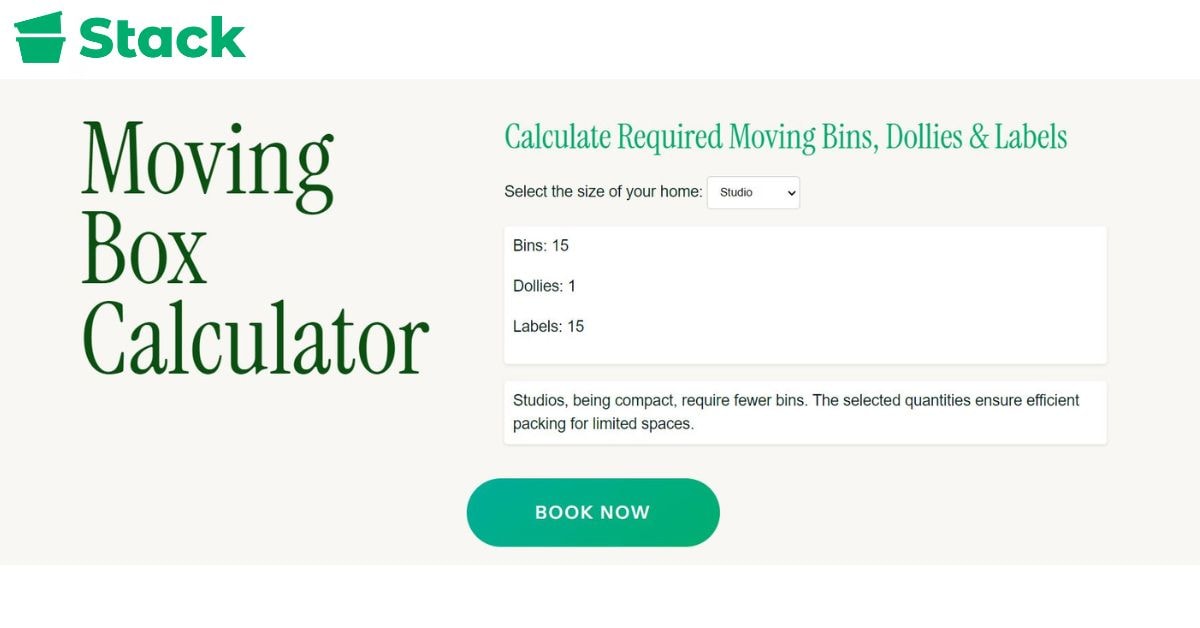
Storing your moving boxes becomes a lot easier when you don’t have to deal with more boxes than you need. This is why we advise all movers to estimate how many boxes they’d need for a stress-free move. Don’t worry about trying to figure out how to get the right number; our moving box calculator does all the hard work and tells you what you’ll need.

Standard Cardboard Boxes: These are ideal for packing books, kitchenware, and general items. However, storing these boxes can be difficult. They attract pests because they tear easily and can create openings for insects like roaches. In humid environments, they become breeding grounds for mold, which could pose a health risk.

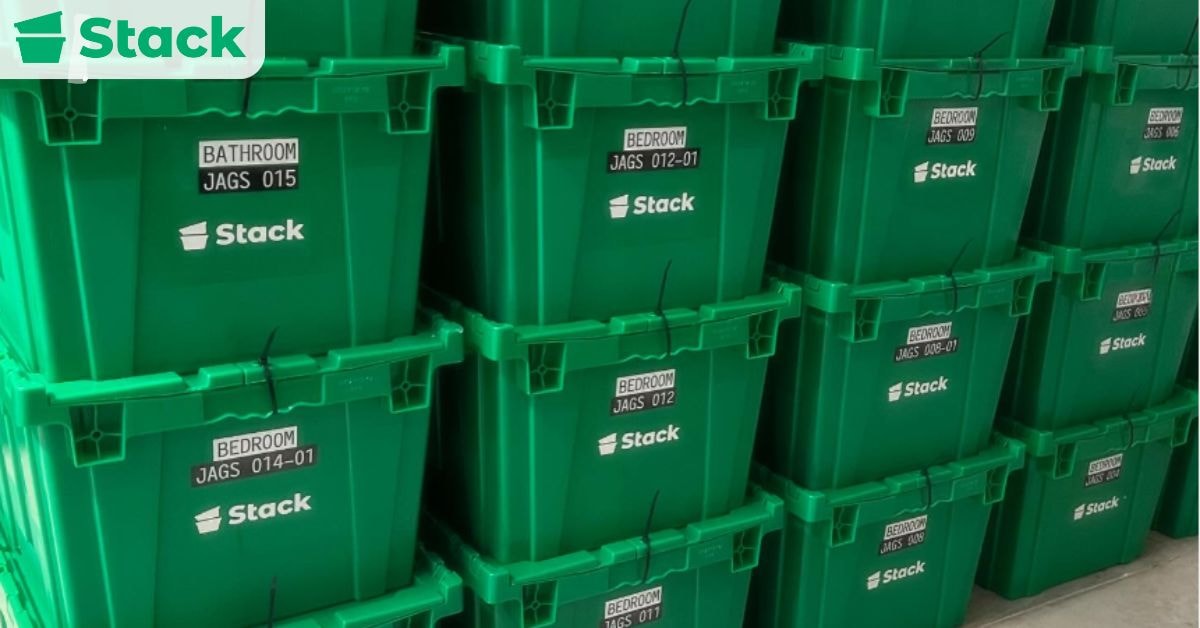
Reusable Plastic Moving Bins: Plastic bins are a superior alternative to traditional cardboard boxes. Their biggest benefit is that they are more durable and sustainable. Despite all these benefits, plastic boxes take up a significant amount of space, making storing them very challenging.

Specialty Boxes: Specialty boxes, such as wardrobe boxes, dish pack boxes, and electronic boxes, are made for specific items. While they can be lifesavers during the move, their unique shape makes storing them challenging.

How to Store Moving Boxes Without Damaging Them

Storing your moving boxes the right way can keep them in good shape for reuse, saving you money and the hassle of buying new boxes. The steps below will guide you through the process of storing your cardboard boxes, no matter how long they’re stored.

Prepare Before Storing Moving Boxes
Prepare Before Storing Moving Boxes

This is the foundation of storing your boxes correctly, and any mistakes here could potentially damage them. Start by emptying the boxes so that you don’t leave anything that could attract pests. Then, inspect them for significant damage, such as tears and worn-out edges.

In addition to making sure your boxes are clean, also make sure they are dry. When wet, cardboard boxes can develop mold and unpleasant odors, so taking time to air-dry them before storage can save you a lot of trouble later.

To save space, flatten your boxes. Flattened boxes reduce clutter and are easier to store, as they can be stacked neatly on top of each other. Label these boxes so it’s easy to tell what they’re for when you need them.

Choose the Right Storage Location

Where you store your boxes is just as important as how you store them. The best place to store your boxes is an indoor storage space like closets, spare rooms, and climate-controlled units. These rooms protect your boxes from pests and humidity, which are the biggest challenges with storing cardboard boxes.

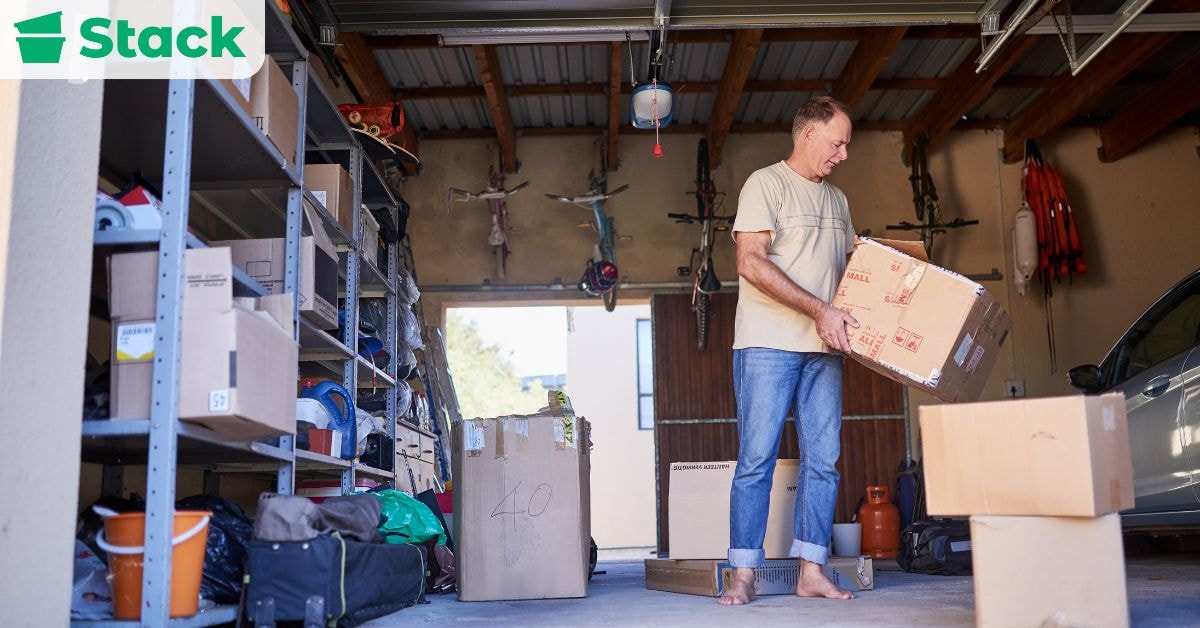
If your only option is to convert an outdoor space, like your garage or shed, to an additional storage solution, with some extra steps you can avoid the problems mentioned. Lifting the boxes off the floor and using pest repellants are great ways to prevent damage to your boxes.

Whether you opt for an indoor or outdoor storage space, it’s more important to consider how accessible your boxes will be after you store them. If you don’t have much space, you can get creative and store your boxes using under-bed storage, attic corners, or even shelving units.

Organize and Stack Boxes

Organize and Stack Boxes

Organizing your boxes is important because it helps you preserve their condition and keeps your storage tidy. A general rule of thumb for organizing your boxes is to place heavier boxes at the bottom of the stack. This gives the lighter boxes a solid foundation and prevents them from getting crushed.

Before stacking your boxes, use good-quality packing tape to seal them so that their edges don’t split open during storage. Avoid overstacking, i.e., making your stacks too tall. This not only increases the risk of everything toppling over but also makes it difficult to retrieve the boxes if you need them.

Use a shelf if you’ve got one. They keep things organized and make it easier to access your boxes. Shelves also take off stress from the boxes at the bottom of the stack. They prevent them from getting crushed under the weight of those above, further extending their lifespan. Finally, leave gaps between your boxes to allow for airflow. Adequate ventilation reduces the risk of moisture buildup, which could weaken your boxes.

Protect Moving Boxes During Storage

The final step in packing moving boxes to protect them is to guard against factors beyond your control, like pests and moisture. To keep them safe, you must regularly check on them.

Consider wrapping your boxes with plastic wrap to give them an extra layer of protection, which is necessary in outdoor storage units. Don’t place your boxes directly on the floor, as they can easily get wet. It’s also wise to use pest repellants like cedar blocks and mothballs to keep pests at bay. If your storage area is prone to infestations, you can even keep your boxes in sealed storage units.

Cost-Saving and Eco-Friendly Options for Moving Box Disposal
Cost-Saving and Eco-Friendly Options for Moving Box Disposal

Disposing of your moving boxes shouldn’t always mean throwing them away. By exploring alternative ways to dispose of them, you could protect the earth and even make some extra money.

  1. Rent Reusable Moving Boxes: The most effective way to skip the hassle of storing or disposing of your boxes is to rent reusable bins. You can just hand them back to your rental company, eliminating the stress of deciding what to do with them after the move. Stack Moves rents eco-friendly plastic bins at affordable prices.
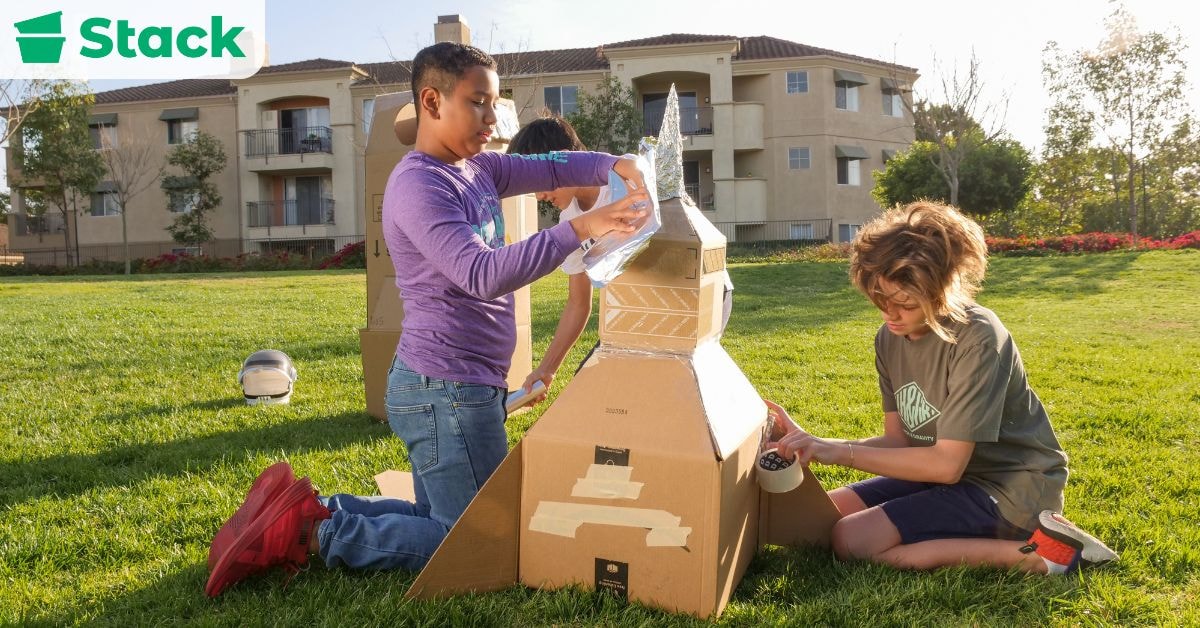
  2. Reuse Instead of Discarding: Another option is to reuse your boxes. When stored properly, cardboard boxes can be reused multiple times, saving you the money you would’ve spent on purchasing new ones. If you’re a fan of DIY projects, cardboard is a versatile material that can be used for making anything from organizers to home decor. Explore your creative side and give these boxes a second chance at life instead of throwing them out.
  3. Recycle Responsibly: When your boxes aren’t fit for reuse, the next best thing to do is recycle them. Before you opt-in for recycling your boxes, first make sure that they meet basic recycling requirements by removing any tape or labels on these boxes. This is especially useful when dealing with corrugated boxes.
  4. Buy Used or Recycled Boxes: If you’d like to own moving boxes without paying a hefty price, buying used or recycled boxes is an excellent choice. Not only are these boxes offered at a lower cost, they are just as functional as the new ones.
  5. Share with Others: Our final tip for making sure your boxes don’t go to waste is to share them with others. Your friends, neighbors, or family members could need these boxes for their own storage or moving needs. You can also post them on community platforms like Facebook Marketplace, Freecycle, and Craigslist.

These steps are some of the best ways to extend the lifespan of your cardboard boxes and keep them ready for future use. In our guide on how to get rid of moving boxes, we share additional tips for disposing of your boxes along with advice on how to pack efficiently.

What to Keep in Mind When Storing Cardboard Boxes
What to Keep in Mind When Storing Cardboard Boxes

While cardboard boxes are a cost-effective storage option, they come with many challenges that could negatively impact their usefulness over time. To keep your boxes in good condition, we shared some risks to be aware of and the steps you need to take to mitigate them.

Insect Infestations

One of the biggest concerns about storing cardboard boxes is that silverfish, cockroaches, and termites are naturally drawn to them, especially when they’re kept in dark and damp areas.

A way around this is to store your boxes in tightly closed cabinets or plastic bins to deter insects. Also, try using repellants like cedar blocks to keep pests at bay.

Mold and Mildew Growth

Another common issue with storing boxes, especially in humid or damp environments, is mold and mildew growth. A crucial step to preventing this is to make sure your boxes are dry and clean before storing them. The best place to store your boxes is in a low-humidity area, like a climate-controlled room. If the only place available is spaces like your garage or basement that are prone to high moisture levels, consider using dehumidifiers to manage the humidity.

Structural Weakening

Over time, cardboard boxes tend to weaken. Factors like humidity and poor stacking can cause them to sag, tear, and collapse. The best way to deal with this is to flatten your boxes when they aren’t in use. When stacking your boxes, place lighter boxes on top of heavier ones. To protect your boxes from floor moisture, keep them off the floor by placing them on pallets or shelves.

Fire Hazard

It’s easy to forget that cardboard boxes are highly flammable. The likelihood of an accidental fire is pretty high where you have large stacks of boxes in poorly ventilated rooms and near heat sources. As such, don’t store your boxes near open flames, furnaces, or heaters, and keep them in fireproof cabinets if possible.

Rodent Damage

Rats and mice often use packing materials like cardboard boxes for nesting. They often chew through these boxes, placing any items you might have in them at risk of damage. The first step to dealing with rodents is to ensure there are none in the storage area you want to use. Then, seal off any possible entry points. Also, store your boxes off the ground and make use of rodent repellants like peppermint oil-soaked cotton balls.

Dust and Dirt Accumulation

After being stored up in your attic, garage, or basement for a while, these boxes gather cobwebs, dust, and other allergens that can make them potentially harmful to people with allergies and awful to look at. Cover your boxes with breathable fabric or place them in plastic tubs to avoid dust. Regularly clean where you have them stored to reduce the buildup of dirt and keep these stored items in pristine condition.

How Do You Store Cardboard Boxes Without Attracting Bugs?
How Do You Store Cardboard Boxes Without Attracting Bugs?

To keep your cardboard boxes bug-free, make sure they are clean and dry before you store them. Dirt and moisture in boxes can attract pests like cockroaches, so a quick cleaning and proper drying is a step you can’t skip. Additionally, use plastic liners or pest deterrents to create an extra layer of protection.

Where your boxes are stored is just as important. The best place to store your boxes is a dry, climate-controlled space since damp and dark environments are breeding grounds for pests. Raising your boxes off the floor also reduces the risk of bug infestations. And finally, regularly check your storage area for any signs of pests so you can deal with them immediately.

Need Reusable Plastic Bins to Rent?

You can save space and extend the usability of your boxes just by storing them the right way. Simple hacks like making sure your boxes are dry and not in direct contact with the floor are great ways to keep them in mint condition until when you need them again.

While cardboard boxes are handy to have, renting reusable plastic bins is an even better option. These bins are made from moisture-resistant materials, eliminating any worry about moisture. Their sturdy and stackable design further enhances your storage experience because the likelihood that they will collapse is very low.

To rent reliable and eco-friendly plastic boxes at affordable prices, contact us today to learn more.
Do Moving Companies Provide Boxes and Supplies?

Most professional moving companies provide boxes, either bundled into a full-service package or available to purchase or rent separately. The option you get usually depends on the type of moving service you book. If you’re buying them on your own from your mover, expect to pay roughly $1 to $3 per standard box, with specialty boxes like wardrobe boxes or dish packs costing more.
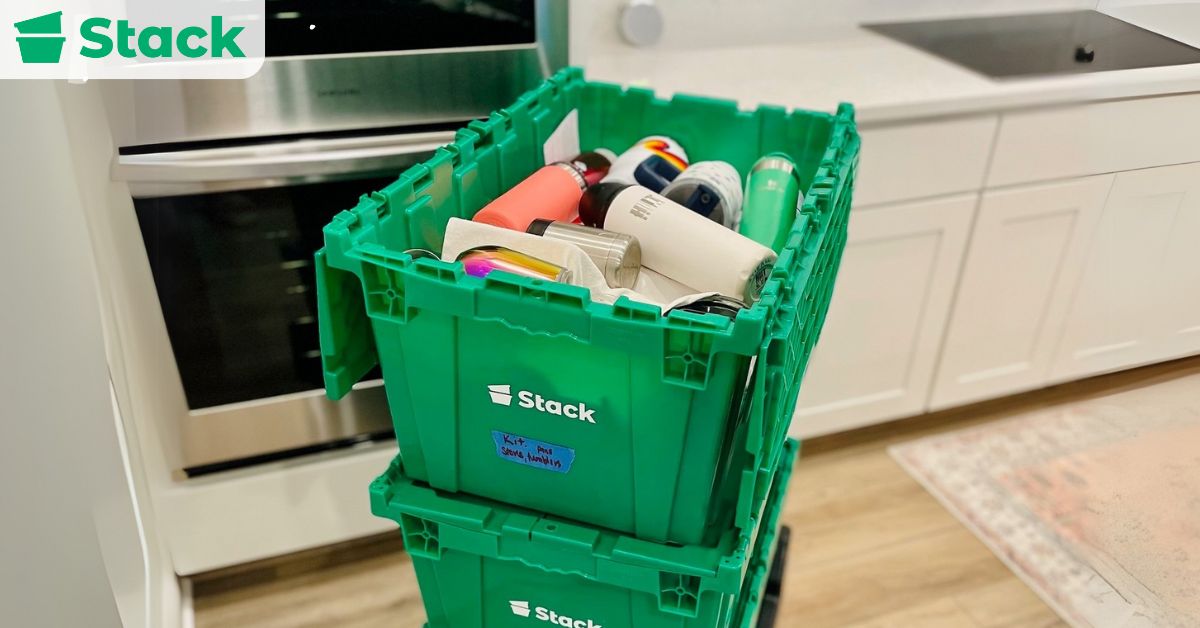
Our mission at Stack Moves is to make moving easier with our sturdy, reusable plastic moving boxes. Made from recycled plastic and backed by 1,100+ Trustpilot reviews, our bins are a simpler, more sustainable way to safely move your belongings. Contact us today to book your moving boxes.

In this guide, we’ll break down what each type of mover typically includes, how costs stack up between cardboard and plastic bins, and what to ask before booking.

Do Movers Provide Boxes?

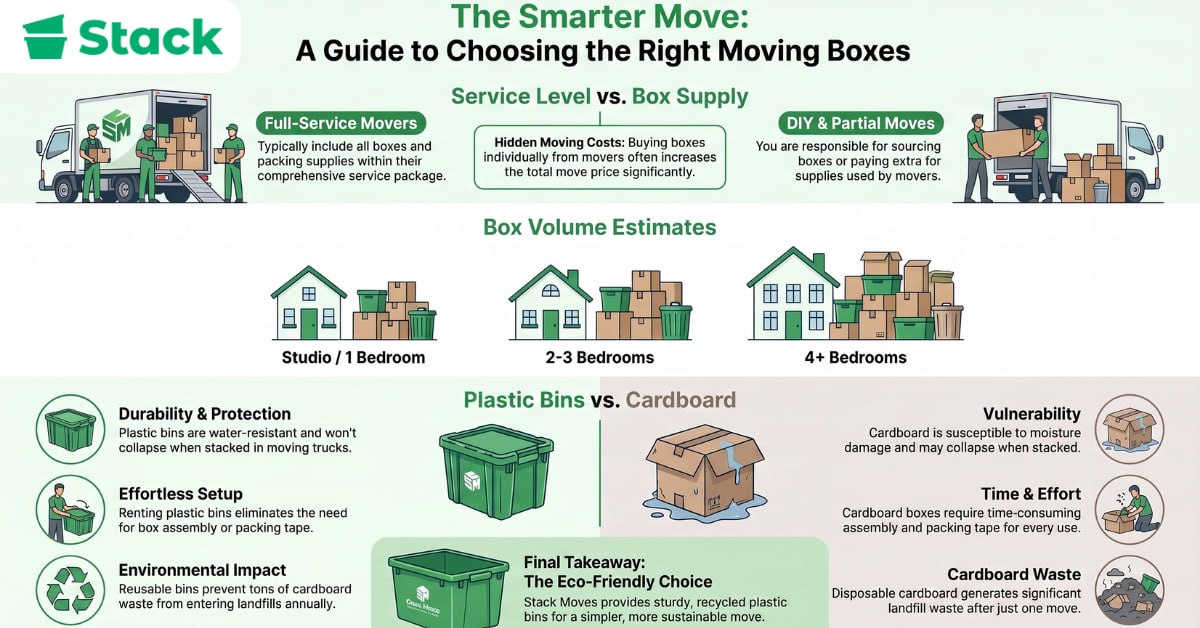
Infographic comparing full-service, partial and DIY movers, box volume by home size, and plastic bins versus cardboard

Yes, most professional movers provide boxes. These boxes are either bundled into your packing service at no extra charge or available to buy separately for around $1 to $3 per standard box. The boxes provided by movers are usually high quality since they are specifically built for moving. However, it’s worth mentioning that relying on your mover’s boxes can raise your overall moving cost compared to sourcing them yourself.

On the plus side, you’ll save yourself the stress of looking for boxes that actually hold up during the move. We’d recommend getting boxes from your movers if you’re short on time and just need a few extra boxes for last-minute packing.

Types of Movers and What Moving Supplies They Provide

What moving company service packages include for boxes and packing supplies

Full-service movers usually throw in boxes for free, while partial-service movers only cover the boxes for the stuff they’re packing. And in some cases you can still buy boxes from them if you need to. Which one you get comes down to the type of moving help you book.

Full Service Movers

Full-service movers handle nearly every part of your move. When you pay for a full-service package, you’re essentially hiring a team of professional packers to do all the heavy lifting and organizing for you. Along with the packing itself, they’ll bring the boxes, packing paper, bubble wrap, and other supplies too. Usually, at no extra charge. Since full-service movers handle more than just transportation, the cost is generally higher, but the convenience they offer can make it well worth it.

Partial-Service or Self-Service Movers

These movers provide the same boxes and packing materials as full-service movers but only for the items they’re responsible for. Sean McGrath notes that “the biggest surprise for people booking partial movers is assuming every box gets covered.”

You’ll have to use your own supplies to pack whatever is left by the movers. Partial-service movers are a good option for people who want some help without paying full-service prices. This approach helps you save on costs while still benefiting from expert packing where it matters most.

DIY or Self-Service Movers

With a DIY move, you’re doing most of the work yourself. The movers usually won’t help beyond driving your stuff from A to B. While this option can save you money, it often comes at the cost of your time and energy.

You’ll be responsible for sourcing your boxes, plus you’ll handle the packing, loading, and unloading of your items.Some professional movers offer additional services, like furniture disassembly or packing help, for an extra fee. And most moving companies will still sell you boxes if you want them. Just keep in mind that movers typically won’t transport hazardous materials, so you’ll need to handle those on your own.

Box Type Full Service Movers Partial Service Movers Self-Service Movers
Small Boxes Included Included only for items movers pack Not included
Medium-Sized Boxes Included Included only for items movers pack Not included
Large & Extra Large Boxes Included Included only for items movers pack Not included
Specialty Boxes Included Included only for items movers pack Not included

How Many Boxes Do You Actually Need? (by home size)

How many moving boxes you need by home size

It helps to know roughly how many boxes you’ll need for your move. The number of boxes to use really comes down to your home size and how much you own, but here’s a general starting point:

Home Size Estimated Total Cost of Professional Packing Services
Studio / 1 Bedroom 15-25 Mostly small and medium
2 Bedroom 35 Mix of small, medium, and large
3 Bedroom 50 Wider mix including specialty boxes
4+ Bedroom 75+ Full range across all box sizes

Is It Worth Paying Movers for Moving Boxes?

What to consider before getting moving boxes from your movers

Sometimes, yes. Buying moving boxes might seem practical at first, but it rarely pays off. The biggest problem with buying boxes is wondering what to do with the empty boxes after the move. If you choose to store them, they take up valuable space and often get damaged before your next use. If you decide to toss them, they end up as waste.

Even if you manage to find free moving boxes, you’ll still deal with the hassle of looking for sturdy ones, checking for damage, and assembling each with packing tape. Over the years, we’ve found that renting moving boxes is a far more practical and eco-friendly way to pack and move.

Plastic moving bins come preassembled, which saves you time you would’ve spent reinforcing your cardboard boxes. Their sturdy design keeps your items safer during transport, especially fragile or heavy ones. Once you’re done, the bins are picked up for cleaning and reuse, saving you the trouble of storage or disposal.

Plastic Bins or Cardboard Boxes: Which Packing Option Fits Your Move?

Reusable plastic bins as an alternative to moving company cardboard boxes

Cardboard boxes are ideal for movers on a budget. You can often grab used boxes for free from grocery stores, retail shops, or sites like Nextdoor and Facebook Marketplace. The catch is that you can’t determine what quality of boxes you’ll get. “When you are stacking boxes in a moving truck, uniform shape is everything,” as explained by Weaeedian. Free boxes rarely come in the exact sizes you need and used ones tend to crush at the bottom under heavy weight.

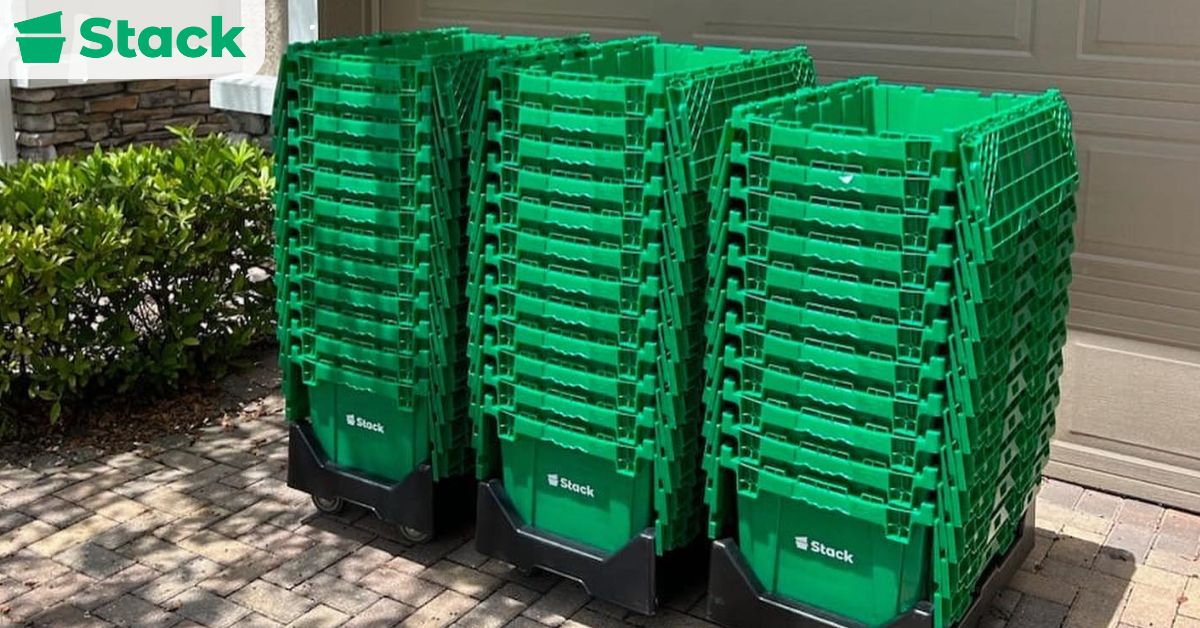
You can avoid most of these limitations by renting moving boxes. They’re sturdier, water-resistant, keep pests out, and stack cleanly thanks to interlocking lids. They’re reusable too, so they are considered a sustainable alternative to cardboard boxes.

  Cardboard Boxes Plastic Bins
Durability Can buckle or tear under weight Sturdy, won’t collapse when stacked
Cost Free to low upfront, but often one-time use Rental cost, but reusable and often works out cheaper long-term
Stack Mismatched sizes, harder to load Uniform, interlocking lids make stacking easy
Weather/Pest Protection Minimal Water-resistant, pest-resistant
Eco-Impact Over 1.7 million tons of cardboard end up in landfills yearly Can be reused hundreds of times
Ideal For Budget moves, one-off use Delicate items, longer moves, anyone who wants less hassle

If you want to skip assembly entirely, compare our reusable plastic box rental plans or explore local recycling guidelines through the EPA Waste Reduction Guide to handle leftover cardboard responsibly.

Questions to Ask Your Mover Before Booking

How much moving boxes cost when purchased from a moving company

Before you sign a quote, it’s worth confirming exactly what’s included so there are no surprises on moving day:

Are Boxes and Packing Materials Included in the Price or Billed Separately?

A quote that looks cheaper than a competitor’s might just be excluding boxes, while a higher quote could already have them baked in. With this information you can compare quotes apples-to-apples instead of getting surprised by add-on charges later.

What’s the Per-Box Cost if I Need to Buy Extra on Short Notice?

Even with a full-service or partial-service mover, people almost always underestimate how many boxes they’ll need for a move. Getting the price early allows you to budget for a buffer instead of dipping into your wallet. If you don’t know the per-box price ahead of time, you’re stuck paying whatever’s quoted in the moment.

Can I Return or Exchange Unused Boxes After the Move?

It’s common to overestimate how many boxes you’ll need and end up with extras you never used. Some movers will let you return them for a partial refund or credit. But that’s not standard practice, so it’s worth confirming.

Is There a Delivery Fee if I Need Boxes Dropped off Before Moving Day?

Some moving companies will charge you extra for delivering early instead of just bringing everything on moving day. Knowing this ahead of time lets you plan your packing timeline around what’s actually free versus what’ll cost you more.
Should You Get Your Boxes From Your Mover?

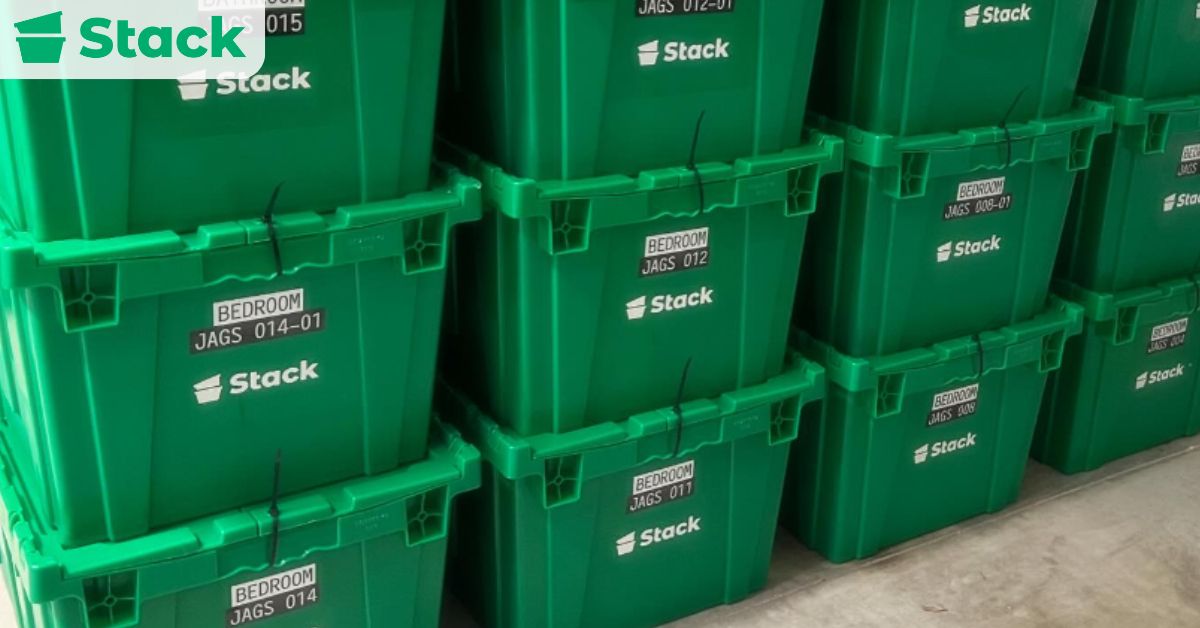
Movers loading labelled boxes, illustrating whether moving companies provide boxes

If convenience is at the top of your list, getting moving boxes from your movers is something to consider. But remember that this convenience often comes with a higher price tag, especially if boxes and packing materials are billed separately.

You can enjoy the same benefits of getting boxes from your movers at a lower cost by renting them instead. These durable boxes are built to withstand the rigors of any move and some rentals even include additional packing supplies, making the entire moving process smoother from start to finish. Don’t waste another minute! Reserve your moving boxes and have them delivered in time for moving day.

Frequently Asked Questions

Got more questions about boxes and packing? Here’s what people usually ask us before their move.

How Can I Figure Out How Many Moving Boxes I’ll Need?

It depends on your home size and how much you own. To get an exact count tailored to your layout, try our interactive moving box calculator, which estimates supply needs by room count and lifestyle.

Do Movers Prefer Boxes or Bins?

Most movers are fine with either, but plenty actually prefer bins. They stack cleaner, hold their shape better, and don’t cave in the way an overstuffed cardboard box can. Either way, a trained crew knows how to handle both safely.

Are There Eco-Friendly or Reusable Moving Box Options?

That’s precisely what Stack Moves is all about. Our eco-friendly moving boxes are made from durable, recycled plastic and built to be reused for hundreds of moves. By renting our plastic moving boxes, you can plan an organized and cleaner move. It’s a simple, sustainable way to move.

Is it Worth Paying for Movers to Pack?

That comes down to your budget and how much time you have. Paying for packing saves you hours and usually means things are packed more securely. If money’s tight, self-packing yourself and letting movers handle the heavy lifting is a solid middle ground.

Are Moving Boxes Necessary?

For most of your stuff, yes. They protect fragile items like small appliances and make loading a truck a lot easier. Big furniture is really the only exception, and that usually gets wrapped instead of boxed.

How Much Do Full-Service Movers Cost?

It varies a lot depending on your move size and distance. For local moves, full-service pricing often lands between $1,000 and $3,000, while long-distance moves usually cost more. A firm quote from your mover is the only way to know for sure.

How Far in Advance Should I Book a Professional Moving Company with Packing Services?

It’s best to book a moving company 4–8 weeks in advance, especially if you’re moving during peak season. For smaller moves or relocations outside of busy periods, 2–4 weeks lead time is usually enough to secure your preferred date and ensure the movers have time to plan and prepare your appointment.

How to Get Rid of Moving Boxes

While the number of boxes you need can vary depending on the size of your home and the number of items you have, cardboard moving boxes are the standard means to pack and transport belongings safely during relocation. However, once the move is complete, you have yet another issue you need to deal with: getting rid of these cardboard boxes.

If left alone, cardboard boxes can take up space and create unnecessary clutter in one’s home. And if disposed of improperly reusable material goes to waste, becoming hazardous waste and causing environmental harm. The right way to dispose of cardboard moving boxes is through recycling. However, a better option would be to rent moving boxes. 

With Stack Moves, you do not need to bother with getting rid of cardboard moving boxes, as we offer durable and affordable moving boxes for rent. We deliver these moving boxes to your homes and come for pick up once you are done. Our goal is to make your next move stress-free, more efficient, and eco-friendly. Schedule your move with us today!

In this blog, we will talk about how to get rid of moving boxes, as well as introduce you to some more eco-friendly alternatives to cardboard boxes! We will also share tips for efficient packing. 

8 Ways How to Get Rid of Moving Boxes

Before you buy cardboard boxes for your move, you should think carefully about what you can do with them after you have arrived at your new home. In general, there are 8 ways in which you reuse or recycle your used cardboard boxes:

  • Reuse your moving boxes
  • Recycle your moving boxes
  • Find community recycling programs
  • Give away or donate moving boxes
  • Use online platforms
  • Sell moving boxes
  • Give your boxes to moving companies
  • DIY projects for your boxes

1. Reuse your Moving Boxes

1. Reuse your Moving Boxes

After relocating, you can reuse your empty moving boxes by using them to organize items within your home. They can be great for storing seasonal decorations, clothing, or extra household items. 

Typically, you should label these boxes for easy identification. It also helps to stack them neatly in closets, garages, or under beds to avoid cluttering the living spaces. 

2. Recycle your Moving Boxes

Many people feel intimidated by this option because they have never had to recycle cardboard boxes before and are unsure of how to go about it. However, this is one of the easiest ways to deal with your leftover cardboard boxes. You can do this by looking for a local recycling center that accepts cardboard boxes. If you’re in Las Vegas, you should check out Champion Recycling, while those in Dallas can use Recycle Revolution, for example. 

Before taking your cardboard boxes to the recycling centers, flatten them to save space. You should also ensure that they are dry and free from plastic tape. 

3. Find Community Recycling Programs

Getting rid of your unused boxes shouldn’t be a hassle if you live in communities that offer recycling programs. Typically, many communities offer recycling programs that even come with curbside pickup for cardboard boxes. 

To get started, check with your local waste management company for details. Then, sign up for these programs. 

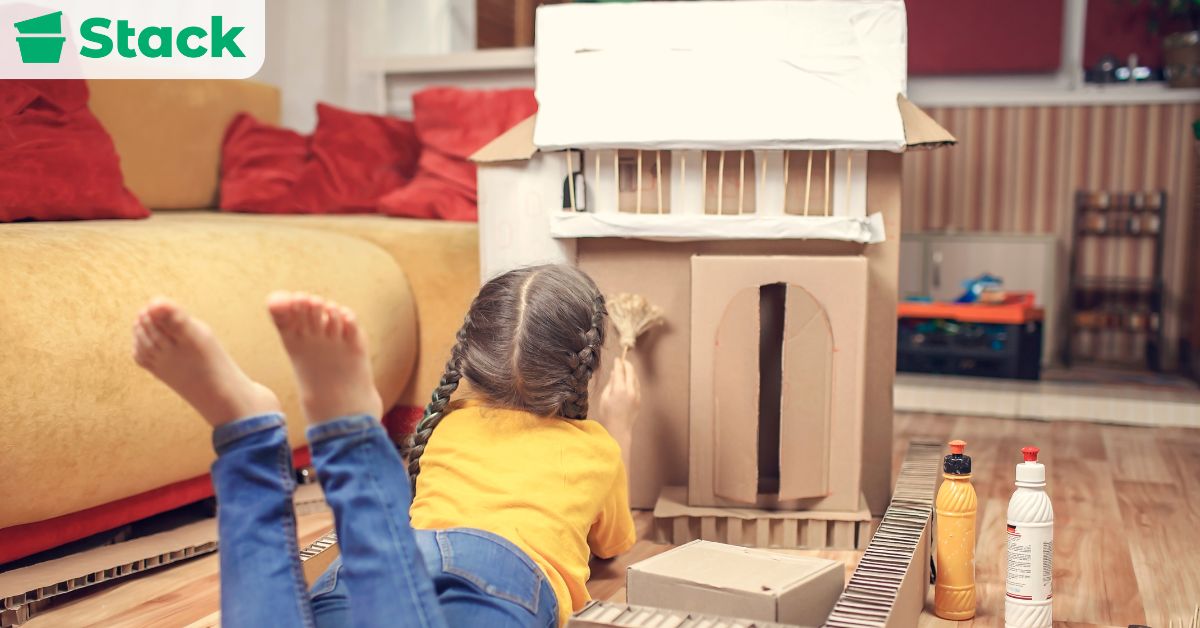
4. DIY Projects for Your Boxes

8. DIY Projects for Your Boxes

Using your free cardboard boxes for DIY projects is another great way to get rid of moving boxes. You can transform boxes into creative projects like playhouses for small children, storage solutions, or even compost bins. 

Look up simple DIY instructions online for inspiration and step-by-step guides.

5. Use Online Platforms

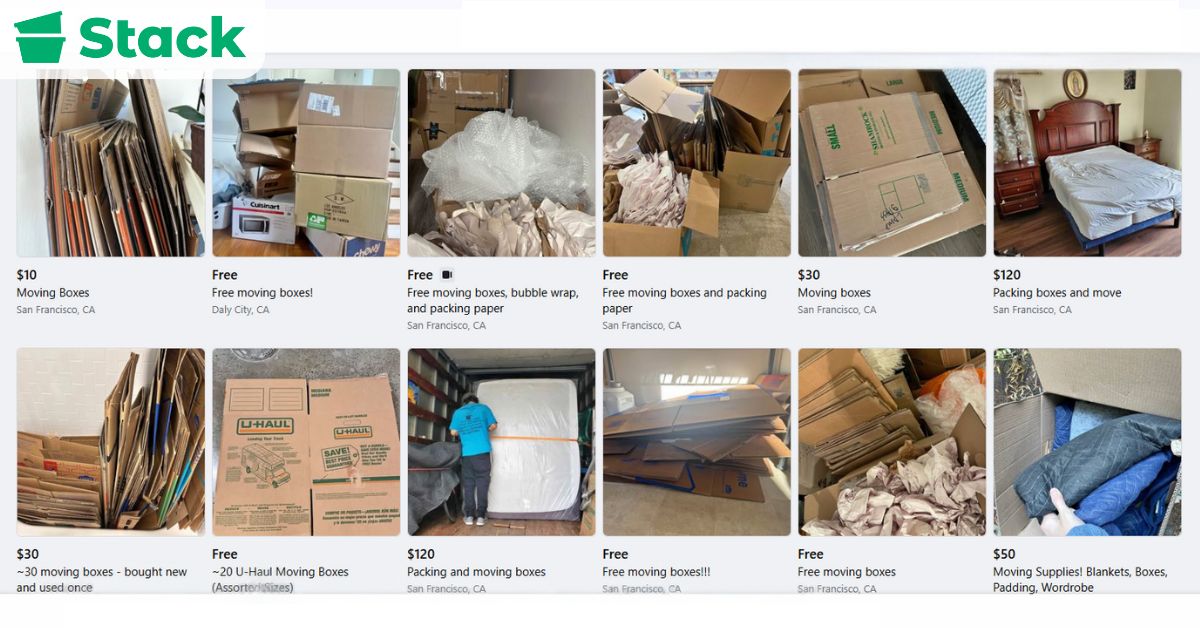
Often, people use online platforms like Craigslist or Freecycle to give away free moving boxes. When using these platforms, be sure to create detailed listings with photos and specify the box sizes. This makes it easier for people to decide when searching for moving boxes. 

6. Sell Moving Boxes

If you would rather make money from your used moving boxes, you should sell them off. You can do this by listing your empty boxes on eBay, Facebook Marketplace, or other online marketplaces. 

Research similar listings to price your boxes competitively and provide clear descriptions and photos. This gives you a good chance of selling them off. 

7. Give Your Boxes to Moving Companies

To get rid of your moving boxes, you can give them to a moving company. Reach out to local moving companies in your community, as some may buy used boxes. 

When speaking with them, discuss the condition and quality of the boxes. Then, arrange a convenient time for pickup or drop-off. 

8. Give Away or Donate Moving Boxes

Donating or giving away your unused moving boxes is one of the best ways to get rid of them. Check if friends or family members need moving boxes for their own moves. 

You can make it easy by offering to drop the boxes off for them. You could also arrange for pickup at a convenient location. 

Where to Sell Used Moving Boxes

Where to Sell Used Moving Boxes

If you’re looking to get rid of used moving boxes while making some extra money, selling them is a great option. Many people prefer buying cheap boxes instead of purchasing new ones, especially for short-term use.

Here’s how you can sell your sturdy boxes and ensure they don’t go to waste.

1. Online Marketplaces

Platforms like Facebook Marketplace and Craigslist are excellent places to list your used moving boxes. Create an ad describing the condition of your cardboard boxes, whether they are flattened boxes, bulk quantities, or if you have any other packing materials included. Highlight their durability, size, and suitability for moving or storage. By offering reliable and affordable boxes, you can attract buyers quickly.

2. Neighborhood and Community Groups

Post in local online groups or neighborhood programs about your used boxes. Many people in your area may be looking for free moving boxes or affordable options for their upcoming move. This approach is both eco-friendly and convenient, as it helps reduce waste and benefits your community.

3. Local Businesses and Moving Companies

Reach out to local businesses or a nearby moving company. Businesses that ship items often need packing materials, and some moving companies may purchase used boxes to provide cheap boxes to their customers. Make sure the boxes are in good shape and free of excessive duct tape or damage.

4. Animal Shelters and Charities

Some charities and animal shelters might buy cardboard boxes for their operations, while others may use them for storage or as makeshift beds for animals. Offering your boxes to such organizations could help you sell them in bulk while supporting a good cause.

5. U-Haul Box Exchange Program

The U-Haul Box Exchange is a program where you can post your used moving boxes for sale. Many people use this platform to get cheap, reliable boxes because it saves them both time and money. This platform is ideal for selling larger quantities of sturdy boxes.

6. Grocery Stores and Local Recycling Centers

While grocery stores and local recycling centers are great for donating or recycling, some stores may also purchase clean, flattened boxes for their own use. Check with nearby businesses to see if they are interested in buying your used moving boxes.

The Best Moving Solution in 2025

The Best Moving Solution in 2024

Often, there is a great debate on whether to go with plastic or cardboard bins for one’s move and which is the more sustainable option. Given that in 2019, over 62 million tons of cardboard ended up in landfills, buying single-use cardboard boxes is steadily falling out of favor. At Stack Moves, we offer durable plastic bins that can be used multiple times, reducing the environmental impact of your move and making your move sustainable. 

With years of experience in the moving industry, Stack Moves is dedicated to providing top-notch service and making your moving process stress-free. Our moving box calculator can help you determine the right number of boxes and the necessary materials, such as dollies and labels, to handle your move efficiently.

Where to Find Moving Boxes?

If you’re looking for affordable and reliable moving boxes for your next move, there are various routes you can take. For example, you can purchase bulk moving boxes from online retailers like Amazon, U-Haul, and Walmart. You can also get boxes for free from local grocery stores, bookstores, or online community groups like Freecycle or Craigslist. 

However, we at Stack Moves believe renting moving boxes is a better option. It completely avoids the hassle of disposing of boxes after your move. Additionally, as they are not made of cardboard, our moving boxes are a more durable, convenient, and eco-friendly moving solution.

Tips for Efficient Packing

Tips for Efficient Packing

Packing efficiently is key to a stress-free move. By following the simple tips we will share, you can minimize the number of moving boxes needed, reduce clutter, and make the entire packing process easier.

Declutter Before Packing

Decluttering before packing helps reduce the number of cardboard boxes you need, saving space and money. It also ensures that you only move items you truly need and use.

We recommend going through your belongings and deciding what to keep, donate, or discard. If you haven’t used an item in the past year, consider whether it’s worth keeping. Then, to streamline the process, separate items into piles for keeping, donating, and discarding. We recommend donating scarcely used items and discarding broken or used items.

Use Efficient Packing Methods

One helpful packing method when packing moving boxes is to label boxes. You should clearly label each box with its contents and the room it belongs to to make unpacking easier. 

Furthermore, pack heavier items first. To prevent damage, heavier items should be at the bottom of the boxes, and lighter items should be on top. It also helps to fill gaps in the boxes. Use soft items like socks or newspapers to fill gaps and keep items from shifting during transit. Most importantly, use packing materials that can be easily disposed of or reused.

Want to Get Rid of Moving Boxes?

Getting rid of moving boxes is one of the biggest challenges that comes with using cardboard boxes for moving. You can get rid of them through reusing, recycling, donating, selling, etc. However, renting moving boxes is the most sustainable and convenient solution. 

At Stack Moves, we offer eco-friendly and durable moving boxes for rent. Our goal is to help you with a hassle-free move. Schedule your move with us today!

Office Moving Costs: How to Budget for an Office Relocation

Relocating an office is more than just packing and transporting your equipment from one location to another. Think of it instead as a strategic operation that can positively or negatively impact your business. This is because, unlike residential moves, corporate moves are much more expensive, especially for large offices. This is why a well-rounded understanding of the costs involved can help you avoid unexpected expenses.

An office move typically includes packing services, transportation, insurance, and setting up your new workspace. The cost ranges from $1,500 to $30,000, depending primarily on the size of the office. Distance and the required services can also influence your final expense.

Stack Moves offers tailored solutions to make your relocation hassle-free. Our durable and eco-friendly office moving crates simplify packing while reducing waste. Whether you need reliable bins or expert guidance, we provide the tools and expertise to streamline your move. Book an appointment to get started.

This guide will walk you through the factors that influence office moving costs and offer practical tips on how to budget effectively.

How Much Does an Office Relocation Cost?

How Much Does an Office Relocation Cost?

You could spend anything between $1,500 – $30,000 on office relocation costs. On average, it will cost you from $1,500 to $5,000 to move a small office (under 1,500 sq ft), whereas larger moves (5,000+ sq ft) typically range from $15,000 or more. This cost includes packing, transportation, and setup of your new office space.

For DIY moves, the costs are significantly lower since they will focus on the basic things needed, such as rental trucks and packing supplies. The downside of DIY moves is that they require more time and effort from team members, and this could potentially disrupt your business’s operations. Choosing to go with a professional moving service can help you avoid/reduce any operational downtime and streamline the entire moving process. However, the costs associated with hiring movers are far more expensive.

Most moving companies will either charge you per hour or with a flat fee. The average rate per hour is $80, but this can quickly shoot up based on multiple factors, such as the number of laborers needed.

It’s important for you to get multiple quotes from as many reliable businesses as possible. This will give you a chance to compare prices and services and avoid overpaying for anything while still receiving top-notch service.

Components Involved in Office Moving Costs

Components Involved in Office Moving Costs

How much you eventually spend on your office relocation is determined by a number of factors, from the timing to the size of your office. Understanding these factors will help you plan and manage your costs better.

Office Size

The size of your corporate space is the biggest determinant of your total moving cost, as seen in the cost estimation above. Office spaces are typically measured in square feet (sq ft), and the larger your square footage, the higher the cost of your move.

While smaller businesses spend less when moving, it’s crucial not to skimp on key essentials like IT setup and furniture assembly. Failure to do this can potentially disrupt the moving experience and make it less efficient. Larger offices, on the other hand, require months of extensive planning before the actual move and potentially higher insurance coverage.

How Far You’re Moving

Local moves tend to cost less, with rates ranging from $80 to $200 per hour, whereas long-distance moves can cost much more. This is due to the additional costs of fuel, toll fees, accommodation, etc.

What Service Do You Need

Another factor that can influence your moving cost is the type of service you use. Commercial moving services can save you time and reduce your stress, but at an added expense. Their services will typically include packing materials, careful handling of your office equipment, and a seamless unpacking process at your new location. This is a great option for anyone looking to minimize operational downtime and who doesn’t mind spending a little extra to achieve that.

If you have a lot of specialty items, like IT equipment and heavy furniture, the cost of your move can also increase. Sensitive items like these require specialized handling to prevent damage, which sometimes requires more manpower or the use of specialized equipment.

When Do You Plan to Move?

The timing of your move is another factor that plays a role in determining your total cost. Peak moving seasons, such as summer and over the weekends, often come with higher rates due to the increased demand. By scheduling your move outside this period, you can save on costs by securing better prices.

Additionally, how quickly you want to move can also influence how much you spend. If you are looking for a quick relocation, you will have to pay more for the movers to prioritize your job over others. For them, this means working overnight or allocating additional resources. While efficient, it can quickly drive up costs beyond your budget. Careful planning will help you minimize the need for premium services like this.

Permits and Regulations

Most cities have specific requirements for moves, which could also add to your overall cost. For example, some locations require you to get a permit for large trucks, especially in urban areas with strict traffic regulations. These permits are essential to avoid fines or delays during the move.

Another area to pay attention to is parking and loading zones. Reserving space for moving trucks, particularly in busy city centers, may incur additional charges. Without making these arrangements, movers can have a hard time accessing your office, which ultimately means higher labor costs due to delays and increased labor time.

Recurring Costs of Office Moves

An example of such costs is your lease. During the transition, you may end up having to pay rent for both your old and new offices. This happens a lot when your moving date doesn’t align perfectly with the end of your current lease. Another area where we see something like this is in maintaining your utilities and addressing office maintenance requirements such as cleaning and repairs.

Hidden Costs in Office Relocations

Hidden Costs in Office Relocations

Just like with residential moves, corporate moves are also riddled with hidden costs that could catch businesses off guard if not properly planned for.

Downtime and Productivity Loss – One of the biggest problems faced during any move is delays, and this could have a ripple effect on the productivity level of your employees. Each hour of downtime means lost revenue and disruptions to client service. Your staff may also have a hard time adapting to the temporary working conditions provided. To avoid situations like this, it helps to plan your move outside business hours or make provisions for key operations to continue from a convenient remote location.

Insurance and Liability – Another commonly overlooked area is insurance for your equipment and furnishings. Accidents are unpredictable; that’s why you should be ready in case they happen. With adequate insurance coverage, you minimize the risk of having to replace or repair expensive equipment. However, keep in mind that not all moving companies provide insurance as part of their service, and this means you might have to purchase a policy separately.

IT and Infrastructure Setup – IT and infrastructure setup at your new location can be a significant expense. Many don’t realize that rewiring your internet, phone systems, and power outlets is a specialized service, which means added costs.

Post-Move Adjustments – Another area where we see hidden expenses is in post-move adjustments. For example, your vacated space will need cleaning and maintenance. Additionally, your new office may need some purchases to bring the place together. Some of the items you may have to buy include office supplies, office decor, and furniture. Factoring these into your budget will help you make sure the new office is comfortable for your team.

Cancellation or Rescheduling Fees – Any unexpected changes to your moving schedule can attract cancellation or rescheduling fees. To avoid these fees, create flexible timelines that accommodate unforeseen circumstances.

Should You Tip Professional Movers?

Tipping your movers is customary but not mandatory. Keep in mind that the essence of tipping is to show appreciation for hard work, excellent service, or navigating challenging situations. If you choose to tip your movers, the appropriate range is 10% – 15% of your total bill or a flat rate per mover. While this may not seem like a hidden cost, it’s worth factoring into your moving budget.

How to Budget for an Office Move

How to Budget for an Office Move

A move is a costly and complex endeavor, which is why it should be budgeted properly. By accounting for all potential expenses, you’re almost guaranteed a smoother transition while avoiding financial surprises.

Assess Moving Needs

Start by listing everything you’d be moving to the new location, including furniture, electronics, and office supplies. Tools such as a moving box calculator can simplify your move by helping you estimate the number of boxes needed for your move. Don’t forget that specialized equipment and large furniture will need professional handling. Taking note of this during your initial assessment will help you come up with a more accurate cost estimate.

Obtain Quotes

Reach out to multiple moving companies so that you can get a clear picture of what services come at what price range. Be sure to have these quotes include relevant services such as storage and insurance in addition to the usual transportation.

Include Additional Expenses

A move goes beyond transportation alone. Other potential cost elements include storage, professional packing services, set-up costs for the new office, and signage updates. These extra expenses add up quickly and should not be overlooked.

Allocate a Contingency Fund

Set aside 10–15% of your moving budget as a contingency fund to prepare for any surprises, such as delays or last-minute packing needs. This will cushion the effect of any unforeseen expenses without putting a strain on your finances.

Monitor Spending

Budgeting tools such as spreadsheets can help you track your expenses throughout your move. To stay on top of your finances, keep a record of all received quotes, as well as all payments made. Additionally, you should also include any unexpected costs you’ve encountered in this documentation. But don’t stop there! Review all the data you’ve collected to confirm you’re within your budget and to make any necessary adjustments.

Tips on How to Save On Office Moving Costs

Tips to Save on Office Moving Costs

Corporate moves don’t always have to break the bank. While they tend to be more expensive than residential moves, this doesn’t mean there aren’t ways to cut down on moving expenses.

Planning Ahead and Choose Off-Peak Seasons- Book your movers early to secure the best rates. Try to avoid peak moving seasons such as summer months and the weekend. Movers tend to charge less when demand is lower, making this a great cost-saving strategy.

Decluttering Before the Move – Downsizing can do more than lower your transportation costs; it can also generate extra funds. Selling or donating furniture and equipment that’s no longer needed can translate to lower costs since fewer items are being moved.

Leveraging Tax Deductions – Some relocation expenses are tax deductible for businesses. A detailed record of all your moving expenses can help you maximize your tax deductions during tax season.

Rent Moving Boxes – Renting moving boxes is a less expensive and more sustainable alternative to buying them. In addition to their durability, they are also convenient, as most rental companies can deliver them to you and pick them up after your move.

Bundle Services – If you find a mover that offers bundle services, you should prioritize them over others. Bundle services typically include packing, transportation, and setup, which can save you money compared to paying for these services individually.

Hire Local Movers – Local companies are familiar with local regulations, which translates to efficiency since they already know everything required for a successful office move in your area.

How to Successfully Relocate Your Office

How to Successfully Relocate Your Office

Relocating your office is no joke, and unless you’ve planned for it adequately, the disruptions in workflow could cost you more than you could imagine. A structured approach to an office starts with simply using an office moving checklist to stay organized and avoid common pitfalls.

  • Set a realistic timeline for the move (ideally 3-6 months). This gives you enough time to plan for logistics, manage tasks, and address any unexpected challenges that might come up.
  • Assign roles to team members to oversee key aspects of the move. Clear delegation helps keep the process organized and efficient.
  • Create a moving budget that includes moving company costs, insurance, and expenses for setting up equipment at the new location.
  • Inform employees, clients, and suppliers early on about the move. Clear communication minimizes confusion and allows everyone to transition smoothly.
  • Update your company’s contact information in your email signatures, on your website, social media pages, and business cards so that clients and partners can easily reach you.
  • Categorize items to move (e.g., office furniture, files, IT equipment). Taking this systematic approach to packing and unpacking makes setting up the new office much more efficient.
  • Rent moving boxes to optimize packing and reduce waste.
  • Ensure smooth logistics by confirming dates and arrival times. Verifying these details will help you steer clear of delays that could hinder a seamless moving day experience.
  • Test all systems (IT, phones, etc.) before employees return to work. This will help you address issues beforehand and prevent downtime.
  • Unpack in an organized manner to avoid confusion and downtime. Start with priority areas like workstations and IT equipment to restore operations quickly.

Want to Ensure a Successful Office Relocation?

Corporate moves are a complex process, but with enough planning and the right tools, they can be an efficient transition. It helps to set a realistic timeline for your move, work with a budget, categorize your items, and ensure all systems are operational before reopening the business.

Enjoy a smooth transition by partnering with Stack Moves for your office relocation. Our expertise in moves combined with our moving bins for rent simplifies the entire moving process, saving you time and money to focus on what matters the most – your business. Contact us today!

Things to Do When Moving Out of a House

From arranging the logistics of your move to organizing your belongings, moving out requires thorough planning and coordination to enjoy a smooth transition to your new home.

When moving out of a house, start by decluttering and creating a moving-out checklist. As you prepare for your move, try to source high-quality moving boxes to pack all your belongings room by room. Also, decide whether you will rent a moving truck, hire a moving company, or transport your belongings yourself. Lastly, notify all important parties, such as your landlord and utility company, about your move.

For a more sustainable and efficient packing solution, consider renting moving bins from Stack Moves. Our reusable bins simplify the packing process while reducing waste. To learn more about how our containers can streamline your moving process, contact us today.

This blog post will serve as a guide on everything you need to know about moving out, including a step-by-step checklist, expected costs, and budget-friendly tips to make your move as stress-free as possible.

6 Things to Do When Moving Out of a House

Packing is just one piece of the moving puzzle. A successful move involves juggling multiple tasks, which oftentimes feels like a lot to handle. However, breaking the process down into manageable steps can help reduce the chaos and keep things on track.

In this guide, you’ll learn:

  1. How to create a checklist for moving out
  2. How to make a plan for your move
  3. How to pack like a pro for a moving day
  4. How to finalize your moving process
  5. How to organize your moving day
  6. How to settle comfortably into your new home

1. Create a Moving-Out Checklist

Create a Moving-Out Checklist

The cornerstone of every successful move is a detailed moving checklist. During this hectic period, a moving-out list will help you stay organized and ensure that no tasks are left undone. The best moving checklists break down processes into manageable steps to help you stay on track and reduce stress. Some key items to include on your list are:

  • Gathering important documents: Secure all personal documents, such as passports, birth certificates, and lease agreements
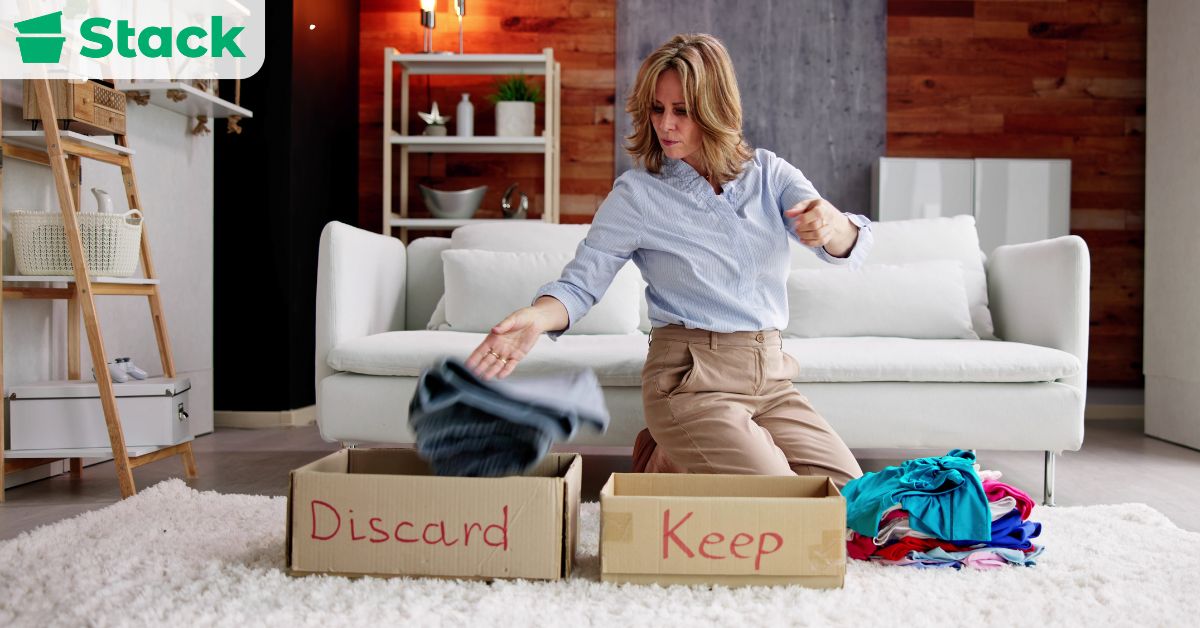
  • Sorting and decluttering: Decide what to keep, donate, or toss out to lighten your load.
  • Scheduling a cleaning: Make arrangements for a deep cleaning session so the house is left in top shape for its new owner.
  • Notifying utility providers: Schedule shut-off periods for utilities and set up services at your new home.

2. Preparing for the Move

Preparing for the Move - Declutter

As we mentioned earlier, with adequate planning, your move will be hassle-free. For example, booking a moving company weeks in advance is a simple step that can help you avoid any last-minute chaos when moving day arrives. Carving out time to organize your move through easy steps like this can make the move far less overwhelming. Remember that the earlier you prepare, the more control you’ll have over how your relocation unfolds.

Setting a Moving Date

To make the move more affordable, avoid peak moving seasons. We recommend moving over the weekends so that you can skip the stress of getting time off work. Be sure to check your work schedule, lease agreements, and any other commitments before choosing a date to avoid any conflicts. This will save you time and money from rescheduling along the line.

Declutter and Organize Your Belongings

Decluttering before you start packing saves you time and reduces your moving expenses since you’d have fewer items to pack. A good place to start is by sorting your belongings into four categories: keep, donate, sell, or discard.

One of the easiest ways to discard unwanted items is to host a garage sale. Alternatively, you could sell these items online on platforms like Facebook Marketplace and eBay. Items that are not up for sale could be donated to local charities to support people in need. For items that have outlived their purpose, consider recycling them instead of just tossing them to reduce waste. Using any of these steps to declutter will help others or the planet in the process.

Ensure You Have the Right Packing Supplies

Your move would be nearly impossible without the right packing supplies. Basic items you’ll need for any move include:

  1. Moving boxes
  2. Packing tape
  3. Scissors
  4. Bubble wrap/packing paper/packing peanuts
  5. Markers and labels

Instead of the traditional cardboard boxes, consider opting for plastic bins. These eco-friendly moving boxes reduce waste and are sturdy enough to withstand the rough handling of a move. Not to mention, most rental companies, like Stack Moves, can deliver these bins to your doorstep and pick them up after your move.

How Many Moving Boxes Will You Need?

While there isn’t a standard way to calculate how many boxes you’d need for a move, you can get a close estimate by paying attention to the size of your home and how much property you have. Our moving box calculator takes away the guesswork and provides an accurate estimate of how many boxes you’ll need for your move.

3. Pack Strategically

Pack Strategically

Contrary to what most people believe, you don’t have to wait until you are weeks away from your moving day to start packing. You can start packing nonessential items like seasonal decorations and rarely used kitchen items months in advance. For a seamless packing experience, take some time to read online resources on how to pack before moving.

Pack your belongings by tackling one room at a time. This method keeps things orderly and makes all the unloading much faster. Some areas, like your bathroom, will require special attention. For example, packing bathroom items means sorting through toiletries and properly sealing liquids to avoid leaks.

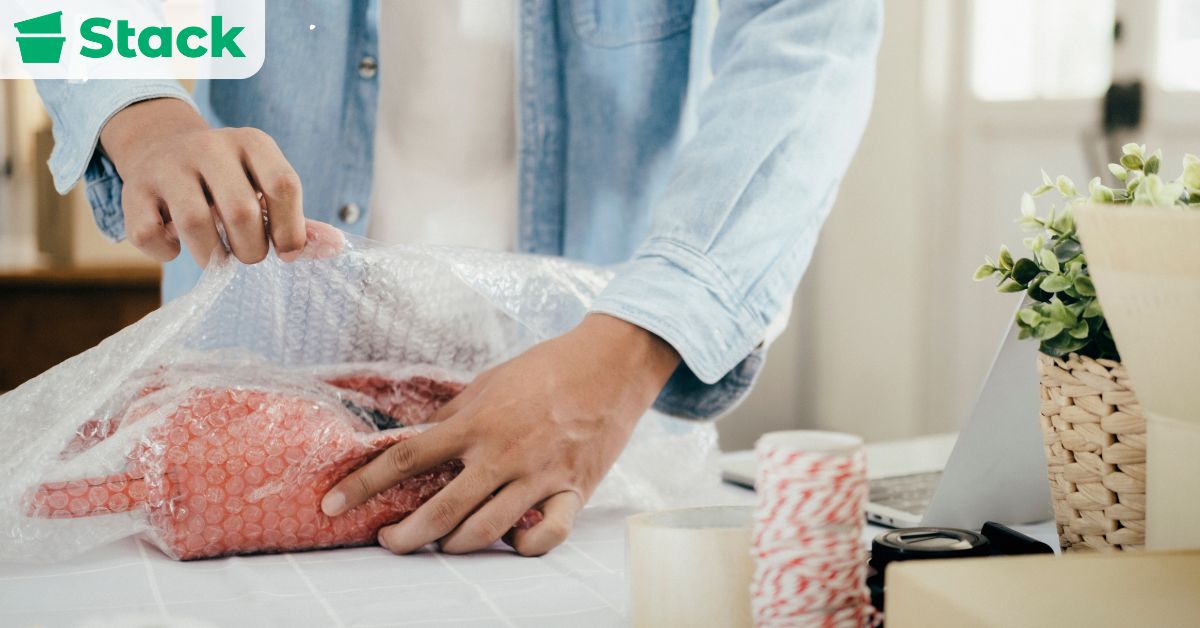
For your valuable keepsakes, use padded packing materials like bubble wrap to protect your breakable items. Decide what items you’ll pack in a box and what you’ll carry personally during the move. Keep an essential items box containing all must-have items like toiletries and clothes separately for easy access.

How to Pack Fragile Items

To safeguard your delicate belongings:

  • Use bubble wrap, newspapers, or towels to cushion fragile items.
  • Place your lighter items on top of heavier ones.
  • Clearly label boxes as “FRAGILE” to ensure movers handle them with care. Remember that there is a right way to label your boxes, and knowing how to label boxes properly will protect your items and contribute to a less stressful move.

4. Finalizing the Move-Out

Finalizing the Move-Out - Clean house

In this stage, you only need to tie up all the loose ends and prepare the house for its next occupants.

Cleaning the House

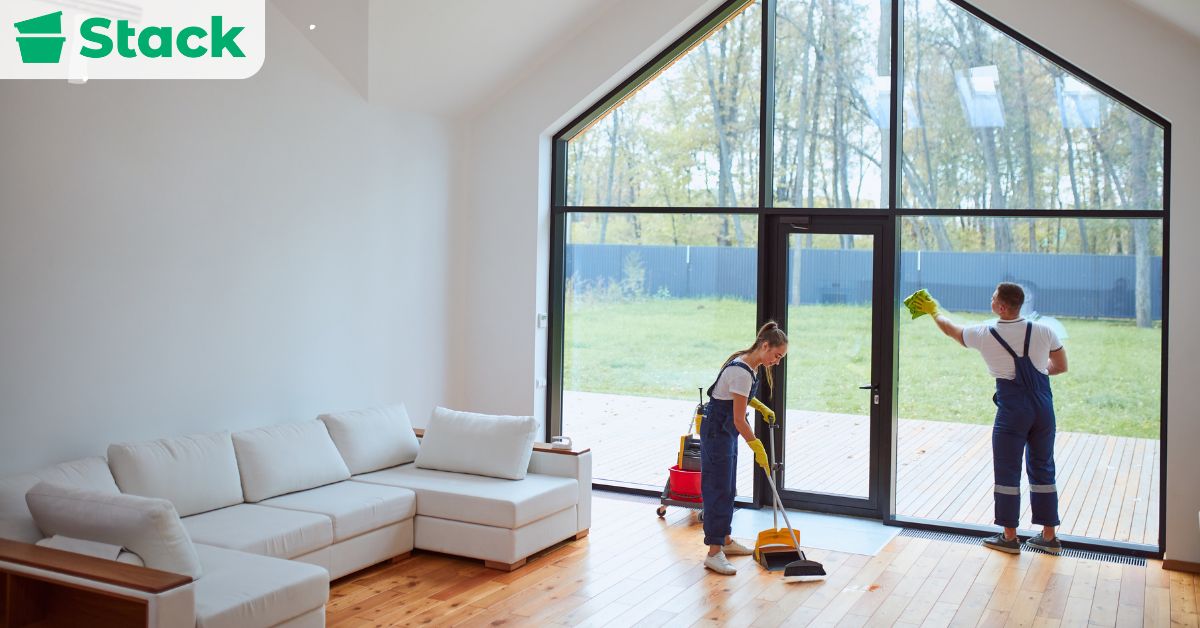
There are two reasons to clean up your home before you leave. First, it is a courtesy to the new owners, and it may be a requirement by your landlord. Whatever the case, you should decide whether you will be cleaning the house yourself or using a professional cleaning service. If you decide to clean yourself, you will need to purchase some basic cleaning supplies like glass cleaners, detergent, dishwashing soap, etc.

Notify Relevant Parties About Your Move

Some essential organizations and stakeholders should be aware of your move. These are your utility companies, banks, postal service, etc. Utility companies should be notified of your move so they can transfer or disconnect your electricity, water, and gas. Another party to be informed of your move is your postal service so that you can keep receiving your mail as usual.

Additionally, critical services like your bank and insurance providers should have your updated address so you can avoid missing important communications or payments. Make a checklist to guarantee you don’t forget to notify any of these important providers.

Completing Final Home Check

Before locking up, go through the house one last time:

  • Check that there are no forgotten items in any rooms, closets, or storage spaces
  • Inspect any damages or repairs to address before handing over the keys and take photos of the property for your record

5. How to Organize Moving Day

How to Organize Moving Day

Moving day comes with a lot of stress, but with proper organization, it can shift from chaotic to manageable. First, decide if you want to rent a moving truck or hire a professional moving company. Professional movers are ideal for long-distance trips if you would rather not handle the move yourself. A cost-effective alternative is to hire a moving truck. This is better for smaller moves.

If you have children or a pet, it’s best to arrange for childcare or a pet sitter. If you can’t afford this, you can keep your kids engaged with toys, snacks, and activities while you focus on your move. When dealing with pets, a quiet space with familiar items will keep them calm. The final step is to create a timeline to help you stay on track.

6. Settle Into Your New Home

You’ve finally moved, and all that’s left is to settle into your new home. Start with unpacking your items. If you followed our previous advice of packing room by room, you can unpack the same way. Next, ensure that everyone who should have your new address has it.

Lastly, meet your neighbors and explore your new community. Build connections by attending local events, joining community clubs and groups, and taking trips to the park and coffee shops. Consider volunteering at local initiatives or participating in hobby-based meetups. You can also try to strike up a conversation with your neighbor during casual encounters, such as checking your mail.

How Much Does It Cost to Move Out of a House?

How Much Does It Cost to Move Out of a House?

Whether you’re moving to a furnished or unfurnished place, some expenses can’t be avoided. Understanding the key expenses involved will help you budget effectively and avoid unnecessary stress. To help you navigate these expenses, we compiled a list of expenses when moving out that covers everything you need to consider.

Expenses to Consider:

  • Cost of movers vs. DIY: Moving companies charge based on distance, size, and sometimes the duration of your move.
  • Packing materials: The cost of moving supplies can quickly add up. One way to save money here is to rent moving boxes instead of buying them.
  • Travel costs to the new location: If you are moving a long distance, account for fuel, meals, and accommodation.
  • Potential deposit/fees for the new home: You will need to pay a security deposit and application fees for your new residence.

How to Budget and Save Money During Your Move

  1. Plan ahead: Book movers or rental trucks early so you can secure lower rates.
  2. DIY Packing: Pack your belongings yourself to save on labor costs. This is a budget-friendly option that can help you keep your moving costs in check.
  3. Rent moving boxes: Take the cost-effective route of renting your moving boxes instead of buying them or sourcing free boxes that may be of low quality.
  4. Declutter: Sell or donate unnecessary items to reduce how much you have to move, saving you time and money.

Need Moving Boxes to Rent?

Despite the stress, moving can be much more manageable with careful planning and the right resources. Some key takeaways for a stress-free move include creating a moving checklist, decluttering, and staying on schedule.

While moving can be challenging, careful planning and organization make it manageable.

If you’re looking for a hassle-free way to handle your packing, Stack Moves is here to help. Our moving box rental service makes packing and moving easier than ever. No need to worry about finding the right box size for your items —just rent, pack, and move! Contact us today to get started!

Why Are Moving Boxes So Expensive?

Moving boxes are a crucial part of every move, but there’s one problem: they tend to be rather expensive. But why are moving boxes so expensive? Typically, it comes down to the quality of materials, demand, and high production costs. 

However, there are various ways to keep your costs low. You can use a moving box calculator to help you avoid overbuying boxes. Just enter how many rooms you need to pack, and you’ll get a reasonable estimate of the number of bins, dollies, and labels you’ll need. Planning ahead and renting your moving supplies instead of buying them can also save you time, effort, and money during your move.

At Stack Moves, we have years of experience helping people move with as little stress as possible. To help save money, reduce waste, and streamline your moving experience, we offer high-quality, affordable moving bins for rent. If you’re planning your next move, contact us so that you don’t end up spending a small fortune on boxes you might never use again.

In this blog, we’ll discuss the cost of moving boxes, why they’re so expensive, and how you can save money with alternatives.

How Much Do Moving Boxes Cost?

How Much Do Moving Boxes Cost?

Many people facing an upcoming move wonder, “How much do moving boxes cost?” The price of moving boxes varies depending on the size and type you choose.

Small cardboard boxes, for example, are usually between $1 and $3. Medium-sized boxes are $2.94 on average, while larger boxes can cost as much as $6. Extra large boxes go for around $8.

As for specialty boxes, options like wardrobe boxes that have a metal bar on which you can hang your clothes can go for up to $20 each.

Corrugated boxes, which boast enhanced durability, can cost anywhere from $1 to $5 for standard boxes and from around $8 to $20 for specialty boxes.

Plastic boxes can be even more costly. On average, you can expect to pay anywhere between $10 to $30 per box.

The Hidden Costs of Moving Boxes

The total price can quickly become overwhelming, given the number of boxes you’ll need. However, if you stick with traditional cardboard boxes, you might have to deal with other costs.

Potential Damage to Belongings

While they can be relatively sturdy, cardboard is inherently a weak material. As a result, using cardboard boxes can easily lead to damaged and broken belongings. Many people choose cardboard boxes because they’re cheaper than more durable options like plastic bins, but the cost of replacing damaged items quickly outweighs any potential savings.

Additional Packing Materials

It’s not just the boxes you’ll need to buy, either. To ensure that your glass-wear and other fragile items are safe during the move, you’ll have to purchase bubble wrap, polystyrene balls, paper, and all manner of other packaging materials. You might spend an additional $100–200 on these materials for even a small move.

Time and Effort

Don’t forget the additional cost of your labor. Packaging boxes take a lot of time, especially if you have many fragile items that need extra care.

What Makes Moving Boxes So Pricey?

What Makes Moving Boxes So Pricey?

Moving boxes haven’t always been quite so expensive. In recent years, a variety of economic factors, including supply chain issues and production costs, have impacted packaging materials of all kinds.

Material Quality

There are vast differences in materials available for these boxes. Cardboard boxes come in two main options: single-walled and double-walled. Single-walled boxes have just one wall of cardboard material, while double-walled ones have two. Splurging on the latter can mean better protection for your belongings.

Raw Material Issues

Cardboard packaging is made from wood pulp, which comes from trees. Deforestation issues, as well as environmental regulations, have put a strain on the supply chain, spiking overall costs.

Increased Demand

As online shopping has become more commonplace, the demand for cardboard has only increased. Further contributing to this demand is the rising popularity of sustainable packaging trends, such as using recycled cardboard boxes. However, as paper mills and other manufacturers struggle to keep up with this increased demand, the price has nowhere to go but up.

Production Cost

Production costs of cardboard packaging are also higher than they’ve ever been because of the reliance on automation and other technological advancements. For manufacturers to be able to profit, they have to pass down the additional costs of technological implementations to consumers.

Supply Chain and Logistics

It’s not just the manufacturing process that is expensive. Companies have to store the boxes and ship them to you when you purchase them as well. That all adds to the overall cost of the packaging.

Environmental Factors

These days, companies are focused more on sustainability and eco-friendly manufacturing. Such processes, including recycling and green production, are often more time-consuming and expensive. To make up for these additional costs, manufacturers will often increase prices.

Price Comparison: Buying Cardboard Boxes vs. Alternatives

Price Comparison: Buying Cardboard Boxes vs. Alternatives

An alternative to buying new cardboard boxes can be choosing second-hand options or even plastic. But are these really better options when it comes to price and environmental impact?

New vs. Used Boxes

New boxes are sturdy and less likely to lose their shape. They also don’t have water damage or lingering smells, which pose a risk to your belongings. The drawback is, of course, price. New cardboard boxes can cost anywhere between $1 and $8, depending on size.

Used boxes tend to be cheaper, often half the cost of new ones. There are drawbacks, however. They can be weaker than new boxes and could even sag if they’ve been exposed to water. You also run the risk of encountering mold.

If you’re looking for where to find cheap boxes, there are many options, including online retailers and recycling centers.

Plastic Moving Bins

Buying plastic bins can cost between $10 and $30, but renting them is a possibility that can save you a lot of money. Even if you choose to purchase them, these are sturdy bins that will last you for years. It’s an investment that can more than pay for itself.

Plastic moving bins are resilient. They generally don’t get damaged if they get wet, and they won’t collapse on you when you pick them up.

Renting Moving Boxes

Perhaps the best option of all is to rent moving boxes. Not only is this better for the environment since you won’t be feeding into the deforestation industry, but it’s also better for your wallet. When you rent plastic options, the prices tend to be significantly lower than you can imagine.

Purchasing 15 of the cheapest plastic bins at $10 each will cost $150. But renting them costs just $129—and this includes a dolly and 15 labels.

The convenience, too, is unmatched. You don’t have to worry about where to store the bins when you’re done with them or take them to any recycling sites.

How to Save Money on Moving Boxes

How to Save Money on Moving Boxes

If you’re still struggling to lower your costs and keep your move affordable, here are some tips on how you can save money on moving boxes.

Buying in Bulk

Buying boxes in bulk can earn you good deals. Many online retailers offer that option, but you can also find them at UPS.

Rent Moving Boxes

When you rent moving boxes, you can get the best prices without having to stress over taking items over to recycling centers. All you do is turn them in, and you’re done.

Seasonal Sales and Discounts

Most people choose to move in the warmer months, so you may have better luck getting cheaper boxes if you try to get them in the fall or winter. Because there will be less demand, prices could dip significantly. Watch out for the holidays, however, since that’s when people are doing a lot of gift shipping, and prices could rise.

DIY Alternatives

You can also go for creative packaging options. For fragile items, why not wrap them up in a comforter and slip them into a crate? You can use bags for clothing and even suitcases and backpacks. Laundry baskets and hampers are also helpful. If you’re moving a dresser, stuffing your clothes and other smaller items into its drawers can easily save you a box or two.

Check Online Marketplaces

You can find good deals on online marketplaces, especially ones that cater to your area. You may even be able to pick the boxes up, saving you shipping costs.

How to Choose the Best Moving Boxes for Your Needs

How to Choose the Best Moving Boxes for Your Needs

When deciding on the right boxes for your move, you’ll want to keep a few key things in mind.

Size and Weight Capacity

Not all boxes are suitable for all items. As great as it would be to pack a lot of books into one extra-large box, those boxes may not be made to carry such items, potentially leaving you with a pile of books falling on your feet. Here’s a quick rundown of what each size can carry:

  • Small Boxes: Books, canned goods, DVDs
  • Medium Boxes: Decorative items, kitchenware, toys
  • Large Boxes: Large kitchen appliances, lamp bases, linens
  • Extra-Large Boxes: Large household appliances, bedding, tools

Knowing the best size boxes for each type of item can save you time, money, and heartache. 

Specialty Boxes

Some items require their own special boxes. There are television boxes, for example, that can keep your electronics safe during the move because they’re sturdier and have the right shape for the task. Dish packs are made of corrugated cardboard to protect your dishes and other delicate items, while wardrobe boxes have rails to hang your clothes, making transportation much easier without the risk of damaging fine fabrics.

You can find specialty boxes online and in stores that offer packaging supplies.

Interested in Renting Moving Boxes?

Buying cardboard boxes or plastic bins can be very costly. The high demand of recent years has skyrocketed the prices of these boxes, but you don’t need to spend a fortune when there’s another option available. Renting boxes can help you save money and make your whole move more efficient.

At Stack Moves, we are dedicated to helping people enjoy smooth, cost-effective moves with affordable and durable plastic bins. Contact us to learn more about renting moving boxes today.

What to Do While Movers Are Moving Your Stuff

It is moving day, and you’ve hired movers to handle the heavy lifting. However, what are you supposed to do while movers are moving your stuff? While the movers are busy, it is important to be available to answer any questions they might have. This will keep the move on track and ensure your belongings are placed exactly where you want them. 

At Stack Moves, we believe that moving day does not have to be overwhelming. It is why we have moving boxes for rent to ensure that your belongings are well-protected while the movers are doing the packing your stuff. Our moving boxes are affordable as we offer competitive pricing and ensure to work with you every step of the way. Contact us today for a moving day consultation. 

In this blog post, we will cover the key things to do while movers are working and how to save money during the moving process. We will also talk about activities to do before movers arrive and how to find and hire these professional movers. 

Things to Do Before Professional Movers Arrive

Things to Do Before Professional Movers Arrive

Before the movers arrive at your home, there is some vital groundwork that you have to lay out to ensure everything runs as smoothly as possible. 

  • Firstly, make sure everything is packed up and clearly labeled. This will help the moving crew know exactly where each box should go in your new home, minimizing confusion and speeding up the process. If you are not sure of how to label your boxes, you can check out our guide on how to label boxes for moving. 
  • The next thing you should do is create an inventory list. This inventory list will help you keep track of all your belongings and ensure nothing gets lost during the move. It is also useful if you need to file an insurance claim later on.
  • It’s also important to pack a separate bag with essential items like medicine, toiletries, and important documents. It is best to keep these personal items with you so you have easy access to them during the move and immediately after arriving at your new home.
  • Additionally, make sure there is a clear path from your home to the moving truck. This includes moving obstacles like furniture or boxes out of the way and ensuring that doorways and staircases are clutter-free. 
  • Similarly, before the movers start, go through your home and unplug all electronic devices from the walls. Not only does this make it easier for the movers, but it also protects your electronics from potential damage.

What to Do While Movers Are Moving Your Stuff?

What to Do While Movers Are Moving Your Stuff?

There are certain things you should do on moving day while the movers are doing the heavy lifting. Engaging in these activities would ensure that everything goes smoothly. These activities include:

  • Communicating with the movers.
  • Offering refreshments.
  • Keeping kids and pets away from the movers.
  • Cleaning the house.
  • Staying out of their way but not disappearing on them.
  • Preparing the payment in advance.
  • Monitoring the move.
  • Doing a final walkthrough of the house.

Communicating with the Movers

When the movers arrive, start by greeting them and doing a quick walkthrough of your home. This is your chance to provide specific instructions, highlight any fragile items, and ensure they have access to every room. 

Engaging in clear communication will help minimize confusion and ensure your belongings are handled with care.

Offer Refreshments

Moving is a big job, and your moving crew will appreciate small gestures like offering drinks and snacks, especially bottled water. You can take it a step further and offer a kind gesture like going to buy a meal, such as pizza or light snacks that helps keep them energized throughout the day.

Keep Kids and Pets Away from the Movers

For safety reasons, it is best to keep kids and pets away from the movers as the kids and animals can get injured if they collide with the movers during the moving process. Thus, you should consider setting up a nearby park visit, organizing board games, or arranging a lunch break with a family member to keep them occupied and out of the movers’ way.

Clean

As the movers work, take the opportunity to clean. Make sure cleaning supplies like hand soap, toilet paper, and other essentials are available.

Stay Out of Their Way

Once you’ve provided instructions, it is important to step back and let the movers do their job. Avoid telling them how to carry boxes or where to place furniture; they are professionals and know how to handle the process. Staying out of their way allows them to work efficiently.

Don’t Disappear

While you shouldn’t hover, it is important not to disappear entirely. You should be available to answer questions, address any concerns, and be a good host throughout the entire day. This will help ensure everything goes according to plan.

Have Your Payment Ready

Once the job is done, you will need to pay the moving company. Having your payment ready is essential to avoid delays and ensure a smooth transaction. Typically, most movers expect payment on the day of service, so be prepared.

Monitoring the Move

Throughout the day, periodically check the progress, and make sure the movers are handling your belongings with care and address any concerns or issues promptly. This proactive approach helps ensure everything is handled to your satisfaction.

Final Walkthrough

Once the movers have loaded the truck, it is important to do a final walkthrough of your home. This includes inspecting each room carefully and making sure to double-check closets, cabinets, and any common hiding spots for overlooked items. 

This final sweep ensures that nothing is left behind and gives you peace of mind as you move on to your new home.

Tips for Saving Money

Tips for Saving Money

Moving can be expensive, but with a little planning and some smart strategies, you can significantly reduce costs. Here are some practical tips to help you save money on your moving day:

Declutter Before You Move

One of the best ways to save money is to declutter before you move. Go through each room in your house and decide what you really need to take with you. Sell unwanted items online or at a garage sale, and donate anything you can’t sell. The less stuff you have to move, the lower your moving costs will be.

Plan Your Move in Advance

Planning your move in advance can also help you save money. Try to schedule your move during the off-peak season, such as late fall or winter, and aim for a weekday. Full-service moving companies often charge less during these times, allowing you to save on the total cost.

Rent Reusable Moving Bins

Instead of buying cardboard boxes, consider renting reusable moving bins, as they are the best bins for moving. Renting plastic bins is not only more environmentally friendly, but they’re also sturdier and easier to stack. 

Additionally, when you rent moving boxes, you don’t need to worry about discarding or recycling the boxes as you would be returning them. Some might argue that by buying the boxes, you can use them afterward to store items around your home. However, often, what happens if you do this is that your home quickly becomes overcluttered with boxes. By renting your boxes, you can easily save yourself the hassle of dealing with these surplus boxes. Especially because renting reusable moving bins often comes with convenient delivery and pick-up services, which save you time, money, and effort.

Hire a Moving Truck

If you’re looking to save even more money, consider hiring a moving truck instead of a full-service moving company. While you will need to handle the heavy lifting yourself or with the help of family members, it can drastically cut down on costs. Importantly, make sure you know how much stuff you have so you can rent a truck that’s the right size for your needs.

Do Moving Companies Pack for You?

Do Moving Companies Pack for You?

The  most common question we get from people when it concerns hiring moving companies is: ‘Do moving companies pack for you?’  Yes, many moving companies offer packing services as part of their services. This depends on if you are going for a full-service moving company or a self-service moving company.

Full-service moving companies can pack up your entire home, handle the heavy lifting, and even unpack at your new location. This option is ideal if you’re short on time, have fragile items, or simply want to reduce the stress of moving.  However, full-service moves are typically more expensive due to the encompassing nature of the service. 

On the other hand, self-service moving companies allow you to handle packing and unloading. This can save you money and is a good option if you are on a budget or prefer to be hands-on during your move. However, it requires more time and effort, and there is a higher risk of damaging your items if they are not packed properly. 

How to Find and Hire Movers?

How to Find and Hire Movers?

In finding and hiring movers, start with recommendations by asking family members, friends, or colleagues if they’ve had a good experience with any moving companies. Personal recommendations are often reliable because they come from people you trust.

You can also use online resources to research moving companies in your area. While doing this, look for customer reviews, ratings, and any red flags that might indicate poor service. Websites like Yelp, Google Reviews, and the Better Business Bureau are great places to start.

Furthermore, it is always helpful to get multiple quotes. We recommend getting at least three different moving companies to send quotes. This will help you compare services and prices. Be sure to ask about what’s included in the quote, such as packing services, moving truck fees, and any potential extra costs.

Importantly, check out for credentials and ensure the movers you are considering are licensed and insured. This is particularly important if you’re moving long distances or have a lot of valuable or fragile items.

When planning your move, consider renting plastic bins instead of buying cardboard boxes. At Stack Moves, we offer convenient and cost-effective moving bins for rent that can save you money and make your move easier. Our bins are sturdy and eco-friendly and come with free delivery and pick-up services, adding extra convenience and cost savings for you. 

How Much Should I Tip the Movers?

How Much Should I Tip the Movers?

Tipping movers is a way to show appreciation for their hard work and dedication during your move. A common guideline is to tip between 10-20% of the total moving cost.

You can adjust the amount based on the level of service provided, the difficulty of the move, and your overall satisfaction. If the movers went above and beyond, such as handling fragile items with extra care or navigating challenging stairs, consider tipping on the higher end of the range. Remember, tipping is optional but appreciated, and it’s a great way to acknowledge the movers’ effort in making your moving day smoother.

Need Help with Moving?

If you are preparing for a move, you should start by decluttering your home, creating an inventory list, and ensuring all your items are packed and labeled. On the moving day, you should stay proactive by communicating clearly with the movers. It also helps to offer refreshments as a kind gesture. 

During the moving process, keep an eye on everything and ensure to address any concerns promptly. You should also perform a final walkthrough to ensure that nothing is left behind. By following these tips, you can reduce stress and ensure everything goes according to plan.

At Stack Moves, we are committed to making your moving process as smooth and stress-free as possible. Contact us today for more tips. 

Rent Boxes!