Skip to main content

Moving Tips

How to Pack Bathroom Items for Moving?

Packing bathroom items can be one of the trickiest parts of moving, since toiletries are prone to leaks, spills, and breakage. That’s why knowing how to pack bathroom items for moving the right way is essential; otherwise, you risk costly damage and extra stress. The safest approach is to secure liquids in spill-proof bags, cushion fragile items, and use sturdy, water-resistant containers that won’t give way to moisture.

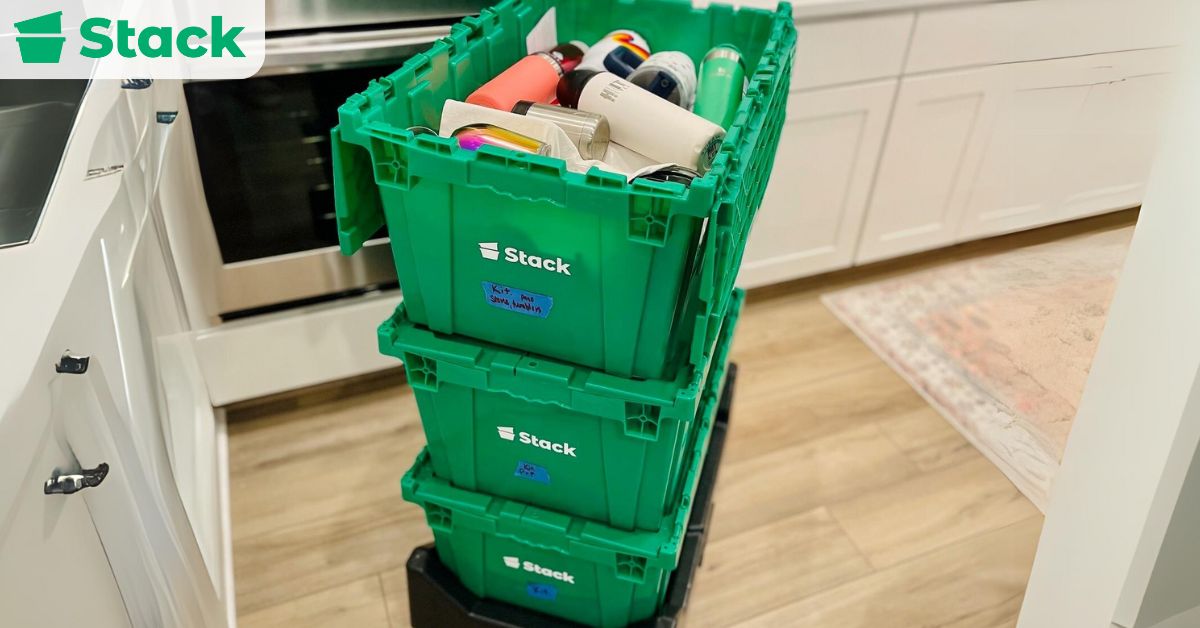
Over the years, Stack Moves has helped movers relocate with confidence thanks to our professional-grade plastic bins. These sturdy boxes come with secure lids, making them the perfect solution to protect fragile bathroom items like toiletries. Don’t risk leaks or breakage—contact us today to book your moving bins for rent.

In this post, you’ll discover the best ways to pack toiletries and bathroom items for a move. You’ll also learn how to create a first-day essentials kit and how to choose the right bins to keep everything secure.

How to Pack Bathroom Essentials for a Move

How to Pack Bathroom Essentials for a Move

Packing bathroom essentials for a move can be tricky, especially with fragile items and liquids prone to spills. Follow this step-by-step guide to ensure the safety and organization of your bathroom items.

1. Declutter and Sort

Before you start packing, it’s important to declutter your bathroom to avoid moving unnecessary items and reduce the risk of accidents. Go through all your toiletries, cleaning supplies, and bathroom accessories, and decide what to keep, donate, or throw away.

Pay special attention to nearly empty containers, expired cosmetics, and hazardous products like nail polish or bleach, which should be disposed of safely. Once decluttered, categorize your items for easier packing and organization. Group similar items together, e.g., toiletries like shampoo, conditioner, and soap should be placed in the same container. Another example is grouping medications and first aid supplies.

By decluttering and sorting, you’ll know exactly what needs to go in your moving boxes, speed up packing, and reduce the risk of accidents during the move.

2. Gather Packing Supplies

To pack bathroom items for moving safely, you need the right supplies that protect your belongings and prevent spills. Make sure you have moving boxes (preferably water-resistant), bubble wrap or protective padding, sealable plastic bags for liquids, packing tape, labels, and small containers. Also, remember to get cleaning supplies to sanitize each item before packing.

For liquids like shampoos, conditioners, nail polish, and other liquid-based toiletries, use waterproof containers and leak-proof bags. You’ll be able to prevent leaks that could damage other items in your boxes this way. Plastic wrap is also helpful to seal bottle openings and padding like towels or bubble wrap cushions fragile containers during the move.

3. Pack Liquids and Toiletries

Liquids and toiletries are prone to leaks and spills, so it’s important to pack them carefully. Proper padding, careful placement, and leak-proof containment ensure your toiletries and fragile items stay safe throughout the move.

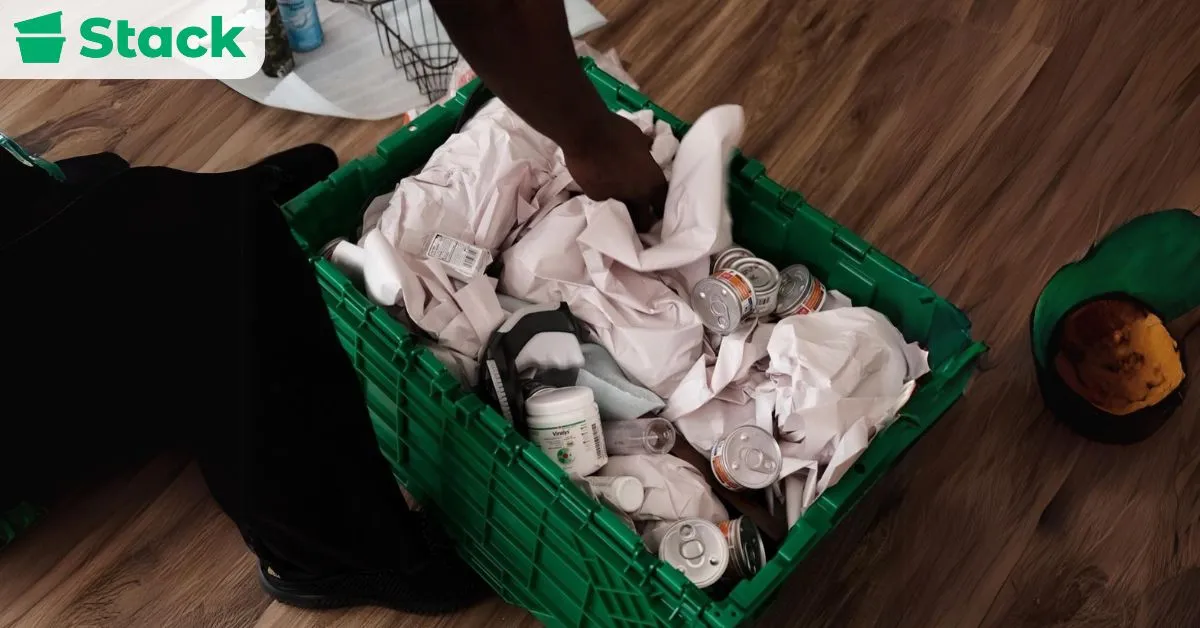
Put plastic wrap under the lids of opened bottles and store them in airtight plastic bags to prevent leaks. Use small, sturdy boxes for liquids to keep bottles upright and secure. Place makeup containers in specialized makeup bags, and cushion glass bottles like perfumes with towels or packing paper to prevent breakage.

Hazardous items such as nail polish remover or hair dye should also be packed in sealed plastic bags for extra protection. Keep medications and other bathroom essentials that you’ll need immediately separate in a well-labeled box. This tip also applies to first-day essentials, so you can access them without digging through multiple boxes.

4. Protect Fragile Items

4. Protect Fragile Items

Fragile bathroom items like mirrors, glass bottles, and decorative pieces require extra care to prevent breakage. Wrap each item individually in bubble wrap or packing paper, and make sure all sides are covered. You can also use towels and washcloths for extra padding between items to prevent movement during transit.

When placing items in boxes, put heavier items on the bottom and fragile ones on top to avoid crushing. Fill any gaps with packing paper, towels, or bubble wrap to keep items from shifting while the box is being moved. Using medium-sized boxes helps keep the weight manageable and reduces the risk of dropping or damaging the contents.

For additional protection, consider double-boxing, especially delicate items like large mirrors or glass jars: place the wrapped item in a slightly larger box filled with padding, then place that box inside another box for extra cushioning. Following these steps ensures your fragile bathroom items stay intact and reduces stress on moving day.

5. Organize Small Accessories & Electronics

Small bathroom accessories and electronics are easy to lose or damage if not packed carefully. Keep items like hair ties, razors, tweezers, and cotton pads organized in small but sturdy boxes or reusable containers to prevent them from scattering during the move.

Electronic items should be packed in their original packaging if possible or wrapped in towels for added protection. Soft items like shower curtains, towels, and bath mats can cushion fragile items or delicate appliances inside your boxes. This will keep your items organized while maximizing the space you have.

Store cords and chargers in sealable plastic bags to prevent tangling. Pack batteries in their original packaging or a designated container to avoid leaks or short circuits

6. Pack Medications and First Aid

Start by checking expiration dates on all medications and safely dispose of unused medicine or anything that’s no longer needed. Next, pack all medications (prescription bottles, over-the-counter medicines, and any liquid medications) in a clearly labeled, airtight plastic bag or small container to keep them organized and protected from moisture. Check that lids are tightly sealed to prevent any spills.

First aid supplies like bandages, antiseptics, and medical tools should be stored in a separate, labeled container so they’re easy to find during and immediately after your move. For added convenience, consider keeping a small “emergency kit” within reach, containing the items you may need on the first day in your new home.

7. Prepare a First-Day Bathroom Essentials Box

A first-day bathroom essentials box is a well-marked and readily available container containing everything you’ll need when you arrive in your new home. A box like this will keep you from digging through multiple moving boxes to find basic necessities, thereby reducing stress on your first day.

Pack the box with all items you’ll need for immediate use so you can freshen up and settle in comfortably. This includes a toothbrush and toothpaste, deodorant, essential skincare products, medications, a few towels, toilet paper, soap, and hairbrushes.

For smaller items, store them in clear, transparent bags so they’re easy to see and grab without unpacking everything. Proper preparation ensures a smoother move-in and a stress-free first day in your new home.

How to Choose the Best Moving Boxes for Bathroom Items

How to Choose the Best Moving Boxes for Bathroom Items

The best bin for moving largely depends on the items being packed. Toiletries and bathroom items are usually liquid-based and fragile, and can cause a mess if a leak happens. Think shampoos, soaps, perfume bottles, cosmetics, and mirrors.

Because of these qualities, cardboard boxes won’t offer much protection for delicate items since they’re easily damaged by moisture. This is where plastic bins take the lead in the debate of moving boxes vs plastic bins. Plastic moving bins are durable, water-resistant, and spill-proof thanks to their lids. When combined with proper padding like towels, bubble wrap, or washcloths, they create the safest environment for transporting bathroom essentials without leaks or breakage.

Final Checks Before Sealing Boxes

Once you’ve selected the right boxes and packed your items, the next step is to perform final checks before sealing them. Before sealing your boxes, make sure to:

  • Secure fragile items: review each box to ensure it is properly packed and secure for the move. You must ensure that fragile items like glass containers are cushioned with bubble wrap or towels.
  • Double-check your bathroom: go through your bathroom cabinets once more to verify that you haven’t left behind important items like hair dryers, shower caps, and other bathroom appliances.
  • Label boxes clearly: ensure that all the boxes are clearly labeled with their contents and the room they belong to. For example, mark boxes containing fragile bathroom items or first aid supplies for easier unpacking later.

Want a Spill-Proof Way to Move Your Bathroom Items?

Packing up toiletries and bathroom essentials is often the messiest part of moving. A smart approach ensures your bathroom goods travel safely and you settle in stress-free. The most efficient way to pack bathroom items is to contain liquids tightly and protect breakable items from impact.

This means to always pack delicate items with extra padding or place liquids in spill-proof containers like plastic moving bins. Each rental also comes with labels to make tracking your bathroom essentials and other belongings much easier.

Don’t let leaks or broken bottles slow you down on moving day. Our moving bin rental service in Los Angeles delivers sturdy bins right to your location and ready for use. Schedule your moving bins today!

Frequently Asked Questions

We answered your most asked questions about packing bathroom items for a move to help you enjoy a stress-free move.

How Do I Pack Toiletries for Moving?

Properly packing toiletries helps prevent leaks and damage. Use spill-proof bags for liquids, cushion fragile containers with towels or bubble wrap, and keep all similar items together in small, sturdy boxes.

What Is the Best Way to Pack Bathroom Items for Moving?

The best approach combines leak-proof containers for liquids, extra padding for fragile items, and clear labeling. Using stackable plastic moving bins adds durability and keeps your items organized during transit.

How Should I Pack Liquids for Moving?

Place plastic wrap under bottle caps and store liquids in airtight, sealable bags. Keep them upright in small, sturdy boxes, and separate hazardous liquids like nail polish remover or bleach from other items.

How Do I Pack Cleaning Supplies When Moving?

Check labels for flammability and expiration dates, and securely close all containers. Transport cleaning products in a dedicated box or plastic bin, preferably lined with absorbent material to contain spills.

How Can I Pack Medications and First Aid Supplies Safely for a Move?

Sort medications by type and expiration date, and store them in clearly labeled airtight bags or small containers. Keep first aid supplies separate for quick access on moving day.

What Should I Include in a First-Day Bathroom Essentials Box?

Include items you’ll need immediately, like a toothbrush, toothpaste, deodorant, essential skincare products, a few towels, toilet paper, soap, and any medications. Store smaller items in clear bags for easy access.

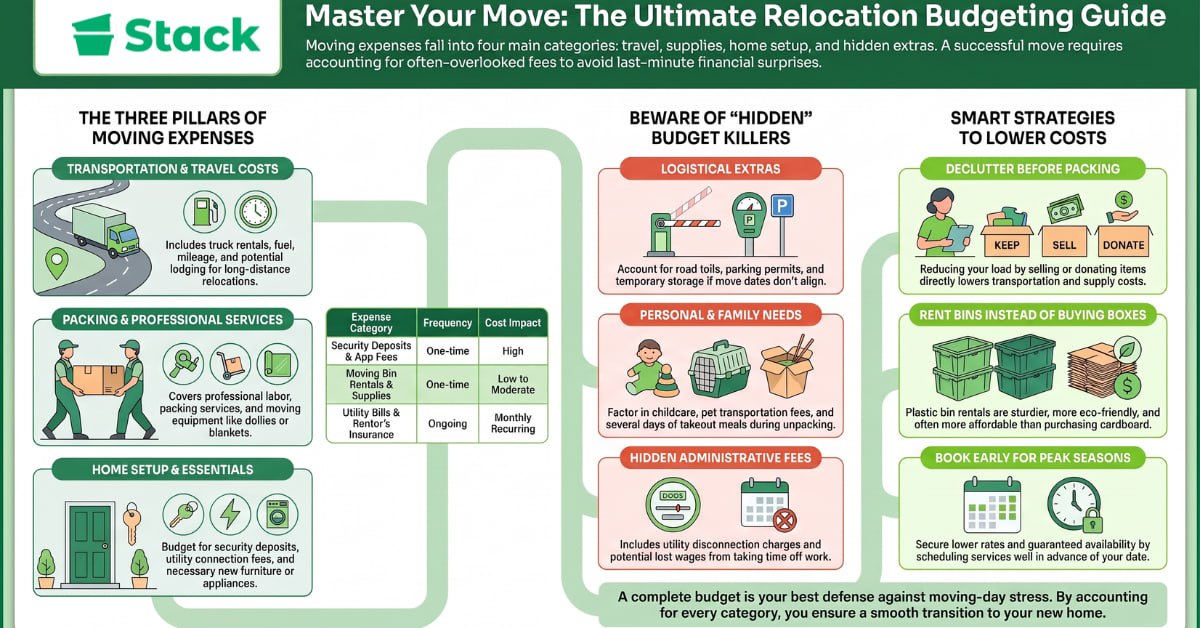
List of Expenses When Moving Out

If you’re planning for a move but aren’t sure what expenses to include in your moving budget, you’re in the right place. During a move, you’ll face upfront costs like deposits, utilities, and dozens of smaller expenses you may not expect. This guide will outline the real costs of moving out so you can budget smart and stay in control.

At the very least, every list of moving expenses is categorized into professional services, moving supplies, transportation & travel costs, and home-related costs. Depending on the nature of your move, you may also incur other expenses such as insurance and temporary storage fees.

At Stack Moves, we’ve helped movers in the United States save hundreds of dollars on their move. With the help of our rental bin service, you can plan for a budget-friendly move without any added stress. Contact us today to secure your moving bins for rent.

This blog will cover the major expenses that form a part of any move, highlight hidden costs to watch out for, and share practical tips to keep your move affordable.

List of Expenses When Moving Out

List of Expenses When Moving Out

Your goal should be to account for everything that fits the unique needs of your move so there are no last-minute surprises. To assist, we’ve curated a list of the most common costs people face when moving out.

  1. Moving truck/van rental
  2. Travel costs
  3. Packing/moving supplies
  4. Cleaning supplies/services
  5. Professional packing services
  6. Storage units (short- or long-term)
  7. Utility setup fees
  8. Repairs/maintenance
  9. Furniture or appliances
  10. Decor and household essentials

1. Transportation Costs and Travel Costs

Transportation is one of the biggest parts of your moving budget, covering both how your belongings get to your new home and how you and your family travel during the move. The final cost depends on whether you hire moving companies or handle the process yourself

  1. Moving Truck/Van Rental: Renting a moving truck or van is often the largest transportation expense. Costs depend on the truck size, mileage, fuel, and rental duration. If you’re crossing state lines, expect higher charges, plus possible registration fees or liability insurance requirements.
  2. Travel Costs: On top of moving your belongings, you’ll also need to cover your own travel. This can include gas and tolls if you’re driving a personal vehicle, or flights and hotel stays for long-distance moves. Meals during travel add up quickly, especially for family members. If you’re relocating to a high-cost area like Los Angeles or New York, expect daily expenses to climb even higher.

2. Moving Supplies and Services

These expenses cover all the essentials you’ll need to actually carry out the moving process. From the packing materials to the cleaning supplies.

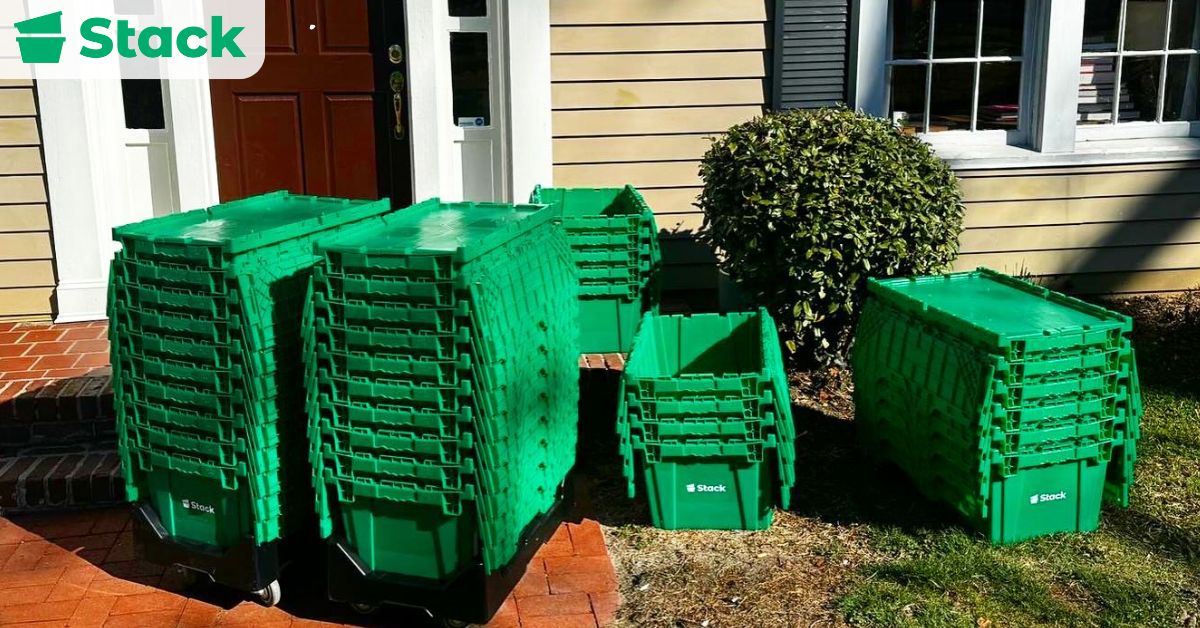
  1. Packing/Moving Supplies: Packing materials are a must-have in any move. The basics include moving boxes, bubble wrap, packing tape, and labels. You may also need extra tools like dollies or straps, which add to the cost but make handling heavy belongings much easier. Most people source for cardboard boxes because they are cheaper upfront, but these boxes can break down in humid weather or collapse under heavy weight. Plastic moving bins are a sturdier alternative if you want durability.
  2. Cleaning Supplies or Services: Both your old and new homes need to be cleaned, either to leave behind a good impression or to create a fresh, welcoming start. While DIY cleaning keeps costs low, hiring a professional service can save time and deliver a more thorough job, especially if you’re juggling family members, work, or other expenses. Depending on your budget, you should consider hiring a professional cleaning service to handle this task.
  3. Professional Packing Services: The cost often depends on the size of your home and the service level you need. While it’s more expensive than packing yourself, professional help ensures your belongings are protected, especially when combined with liability insurance. For many, the peace of mind makes this an investment worth considering.
  4. Storage Units (short- or long-term): If your move-out and move-in dates don’t align, renting a storage unit may be unavoidable. They’re also helpful if you’re downsizing or trying to arrange temporary housing. While short-term rentals are affordable, long-term storage can eat into your budget over time. Before paying registration fees and deposits, weigh whether it’s worth keeping everything or letting go of items you no longer need.

3. Setup & Settling In Costs

The expenses don’t stop even after the move is complete. Here we’ll look at the costs needed to make the space both functional and welcoming.

  1. Utility Setup Fees: When you move into a new home, utility companies will charge a connection or activation fee for electricity, gas, water, or internet. These may look small, but deposits or same-day/weekend services can quickly raise the total. It’s advisable to contact your provider early so you can plan for these expenses and ensure everything is running smoothly by move-in day.
  2. Repairs/Maintenance: Setting aside a little money for unexpected fixes prevents surprises after you’ve just spent on the move itself. Even in homes that look ready, small issues like leaky faucets, loose outlets, or squeaky doors often surface in the first few weeks. For renters, landlords may cover some repairs, but homeowners must pay out of pocket. These aren’t always optional costs since fixing them improves safety and comfort.
  3. Furniture or Appliances: Big-ticket purchases like furniture and appliances should be budgeted for early. It shouldn’t come as a surprise that your new home doesn’t come with a washer, dryer, or fridge. These purchases can easily become one of the biggest settling-in costs, so you should prioritize what you truly need right away and consider secondhand options to save money.
  4. Decor and Household Essentials: To truly make your house a home, you’ll want to personalize your space with decor and other practical items. Things like curtains, rugs, cleaning supplies, or cookware might not seem significant, but they add up when bought all at once. Planning a checklist for essentials and gradually adding decorative items helps you avoid overspending.

Hidden Moving Costs to Watch Out For

Hidden Moving Costs to Watch Out For

Knowing these hidden costs ahead of time better positions you to prepare for them in advance and save money for a less financially overwhelming transition. Some common unexpected expenses to be aware of include:

  • Tolls and Parking Fees: City moves or long-distance trips can rack up small but steady charges at bridges, highways, and street parking.
  • Pet Transportation: From flights to special carriers, traveling with pets quickly adds hundreds of dollars.
  • Childcare on Moving Day: Parents often forget babysitting or daycare costs, which can be essential when movers are coming in and out.
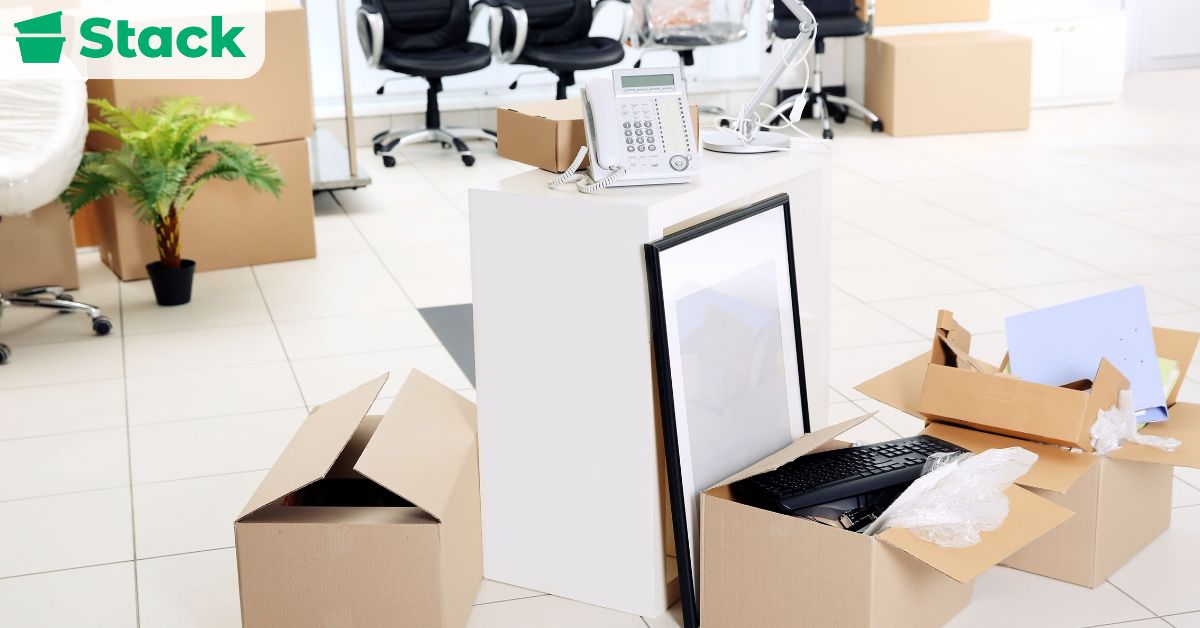
  • Moving Equipment Rentals: Dollies/trollies, moving blankets, etc., often aren’t included with truck rentals.

  • Moving Insurance Coverage: Standard coverage from movers is minimal; full-value protection costs extra.
  • Utility Disconnection Fees: While people expect setup charges, many providers also charge to disconnect old accounts.
  • Meals During Unpacking: Expect higher food costs in the first few days as takeout and delivery fill the gap before your kitchen is set up.
  • Lost Wages or Time Off Work: Time away from your job to manage the move can affect your paycheck.

Is It Better to Buy or Rent Moving Boxes?

Is It Better to Buy or Rent Moving Boxes?

Renting is often the better choice, especially for large or complex moves. But there are cases where buying may be the more sensible option. Before you choose between renting or buying your moving boxes, it’s important to first think about the long-term impact on both your budget and your moving experience.

For starters, renting is more affordable in the long run because you only pay for the time you use the bins. Plus, many rental companies include delivery and pickup in the price. Buying cardboard boxes might seem cheaper upfront, but if you need several sizes or larger quantities, the costs can add up quickly. Not to mention you’ll still have to handle transport and disposal yourself.

Renting is also far more convenient than buying boxes. Your bins are dropped off at your door before the move and collected once you’re done, leaving you with one less thing to worry about. When you buy your boxes, it’s your responsibility to transport them to your location and store or dispose of them after the move.

Another big difference comes down to quality and durability. Plastic rental bins are sturdier than their cardboard counterparts. Traditional cardboard boxes, especially when used, can be flimsy, wear out quickly, and may not hold up if you’re moving in bad weather.

Lastly, renting is the more eco-friendly choice. Plastic bins are reused many times, which significantly reduces waste and your overall carbon footprint. Even though cardboard can be recycled, a large number of boxes end up in landfills after just one use, making them a less sustainable option.

In summary, renting bins is usually the better choice if you want affordability, convenience, and a more eco-friendly move. Buying boxes, on the other hand, may work for very small moves or when you need storage afterward.

Smart Money-Saving Tips for Moving

Smart Money-Saving Tips for Moving

Declutter before you pack. One of the easiest ways to reduce moving costs is to lighten your load. You can do this by either selling or donating items you no longer need. The fewer items you take with you, the less you’ll spend on packing supplies and transportation.

Once you’ve reduced what you’re moving, the next step is to plan for what’s left by creating a realistic budget. A detailed budget helps you set financial limits for anticipated costs like supplies and transportation.

Even with a solid budget, it’s still important to track and control your spending. Moving often comes with small, unexpected costs, and it’s easy to go over budget. Monitoring your expenses and delaying non-essential purchases can keep your finances in check. In addition, building an emergency fund can help you tackle any unplanned but unavoidable expenses.

Another way to save money on a move is to rent moving boxes instead of buying them. Rental services are usually bundled with extras like labels and markers, which could help you reduce your spending on moving supplies.

Looking to Lower Your Moving Expenses?

With a list of your moving expenses, you can easily plan for your move without the fear of going over budget. However, an incomplete budget could put you at risk of unexpected costs. It’s important to remember that every move is different, and costs can vary depending on distance, services, and personal needs. That’s why the golden rule for creating a realistic budget that reflects your situation is to take all possible expenses into consideration.

If you’re planning your next move on a limited budget, one of the simplest ways to lower your moving expenses is to rent your moving boxes instead of buying them. That’s where Stack Moves comes in. With over 20 service locations across the U.S., our plastic bin rentals won’t just help you save costs; they’ll guarantee you a one-way ticket to a hassle-free move. Schedule your plastic bin rental today!

Frequently Asked Questions

To help you budget wisely and avoid last-minute stress, here are quick answers to the most common questions about expenses during the moving process.

What Do You Have to Pay For When You Move Out?

In addition to your first month’s rent, you’ll also have to pay a security deposit and utility setup fees. For the move itself, you’ll have to pay for packing supplies and professional moving services.

Is $3,000 Enough to Move Out for the First Time?

$3,000 is enough to cover a short-distance move from a small apartment in some areas. However, it may fall short if you need to buy new furniture, pay higher deposits, or cover temporary housing.

What Are Some Hidden Expenses When Moving?

Hidden costs often include cleaning services, storage units, and moving insurance. You may also run into extra fees from moving companies, such as charges for heavy or fragile items.

What Bills Do You Need to Set Up When You Move Out?

The main bills include utilities like electricity, water, and internet. You’ll also need renters insurance, and if you own a personal vehicle, don’t forget car insurance and registration fees.

How to Organize Moving Boxes Like a Pro

If you’re looking for efficient ways to organize your moving boxes, you’re in the right place. Getting this step right in the moving process can save you hours of frustration and even cut down your moving costs. The best way to organize moving boxes is to keep the same-sized boxes together, stack lighter boxes on top of heavier ones, and clearly label them so nothing gets misplaced along the way.

Enjoy a hassle-free move with Stack Moves‘ durable moving bins for rent. Trusted by hundreds of movers, our reliable and stackable bins fit neatly into your truck, helping you to save space and cut moving costs. Schedule your moving boxes today!

In this guide, you’ll learn every step of organizing moving boxes, from sorting items to labeling. We’ll also share proven moving tips that save time, protect fragile belongings, and make unpacking less stressful.

How to Organize Moving Boxes for a Stress-Free Move

How to Organize Moving Boxes for a Stress-Free Move

Without proper organization, it’s easy to forget essential items, leading to last-minute scrambling to find extra packing supplies. To help you stay organized and make your move as smooth as possible, here’s a practical guide on how to pack and arrange your moving boxes effectively.

1. Sort and Group Items Before Boxing

Before you begin packing, please take a moment to organize your belongings by category and room. Once grouped, you’ll find it easier to decide which box size works best and how to label them for moving. Another big advantage of decluttering is that you save money on supplies because you won’t need as many for items you no longer want. Start packing by grouping items such as books, clothes, kitchen tools, and picture frames into piles before putting them into boxes.

2. Choose the Right Box for Each Item

Using the wrong box can easily result in broken items or wasted space in your moving truck. For example, overpacking in a large box often leads to torn boxes or even back injuries from lifting. Specialty boxes are the best option when packing fragile items like dishes or hanging clothes. They provide the best protection for fragile items, despite being more costly than standard cardboard boxes.

To save money, consider using a combination of specialty boxes with standard cardboard boxes. Always reinforce the bottom and sides of cardboard boxes with strong packing tape to keep them from collapsing under heavy weight. With plastic moving bins, this step isn’t necessary because they are built to carry heavy loads without tearing.

3. Pack Boxes Without Overloading

One of the most important packing tips is to avoid overloading boxes. Overfilled boxes are harder to lift, more likely to break, and unsafe for movers to handle. A sensible rule is to keep boxes under 50 pounds, no matter the size. The major benefit of following this method is avoiding accidents, although it also means you will need more boxes overall.

Place heavier items at the bottom and lighter belongings on top to distribute weight evenly. This method protects fragile belongings like picture frames or glassware from crushing. Another mistake people make is trying to fit all the contents from a single room into the same box, which can make the boxes far too heavy.

Remember that overloading makes stacking boxes in the truck difficult, which can lead to more damage. Instead, mix heavier belongings with lighter fillers, like clothing or towels, to balance the weight.

4. Clearly Label Each Box

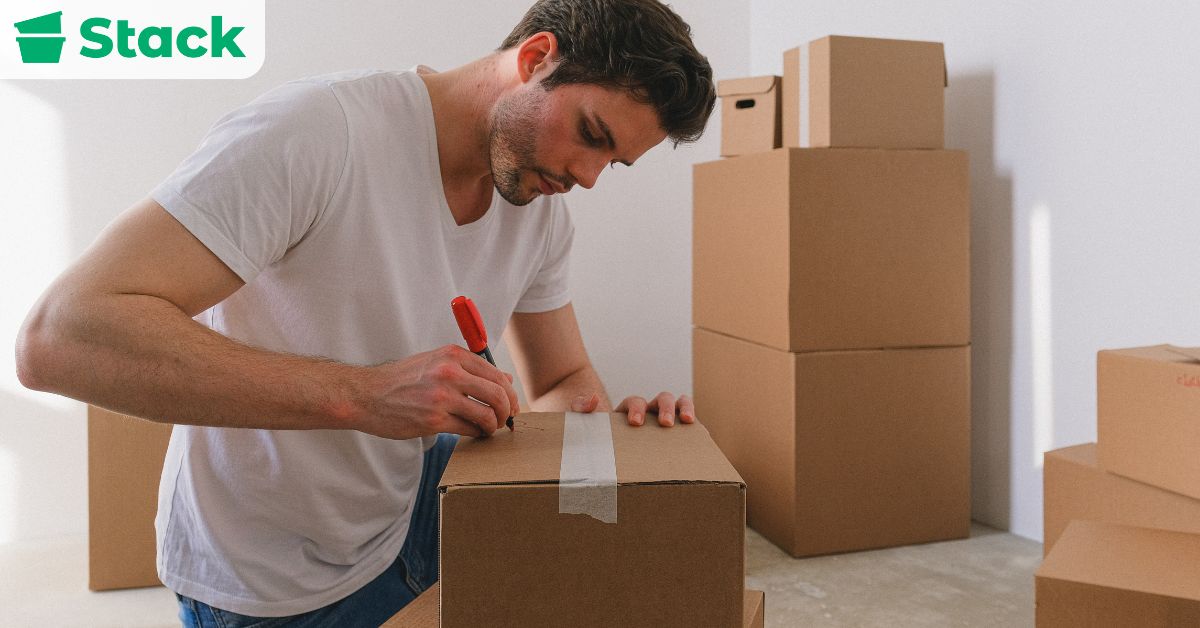
Without labels, unpacking becomes chaotic because you won’t know what’s inside each box or which room it belongs to. The most effective method of labeling boxes is to write the contents of the box and the room it belongs to. Use permanent markers to label at least two sides and the top of each box for easy visibility.

Another method of labeling boxes is by color-coding them, for example, blue for the bathroom, red for the kitchen, and so on. This method speeds up unloading since movers know exactly where each box should go. Although labeling your boxes will take extra time during packing, it will save you hours when unpacking. But overall, labeling ensures nothing important gets misplaced.

5. Number and Track Boxes with an Inventory List

In addition to labeling, you should also number each box and connect it back to your inventory list to add an extra layer of organization. Numbering each box lets you know exactly where everything is, and if you misplace a box, your list will help you quickly identify what’s missing.

Create a master list that matches box numbers to their contents and destination room. You can do this with a spreadsheet, a printed checklist, or even moving apps like Sortly. Update the master list each time you seal and label a box so you don’t forget.

6. Stack Boxes by Weight and Fragility

The general rule is to place heavier boxes at the bottom and lighter or fragile ones on top. This prevents breakage and helps keep stacks stable in the moving truck. Movers also prefer well-organized stacks since they can move them more safely.

Stack larger items or awkwardly shaped items against the truck’s walls. Also fill gaps with smaller boxes to maximize space. For fragile items like dishes, mark the box clearly and avoid stacking anything on top. Another helpful moving tip is to keep boxes of similar sizes together so they stack evenly. Using durable bins or sturdy used boxes can reduce the risk of collapse, especially for heavier loads.

7. Separate Essentials and Open First Boxes

Consider preparing a few “open first” boxes to easily access basic items without having to search through numerous boxes. Pack essentials such as toiletries, a change of clothes, medications, important documents, and basic kitchen supplies in clearly marked boxes. These boxes should be the last thing you load into the truck and the first thing you unload. You may also want to create a separate essentials box for each family member to keep things personal and organized.

Efficient Packing Techniques to Keep Boxes Organized

Efficient Packing Techniques to Keep Boxes Organized

Packing efficiently can significantly ease your moving process, making it smoother, faster, and less stressful. Follow these proven methods to keep boxes organized and simple to manage.

Distribute Weight Correctly

Ideally, you should avoid overpacking large boxes, as they can become too heavy to lift and are more likely to break. Stick to smaller boxes for heavier items and reserve large boxes for lighter, bulky items like pillows and comforters. It is best to distribute weight evenly across all boxes or combine heavy and light items in medium boxes to balance the weight.

Protect Fragile Items

When packing boxes, always place the heaviest items at the bottom. This provides a stable base and prevents lighter, more fragile items from being crushed. If you’re dealing with fragile items, you should wrap each one in bubble wrap or packing paper to prevent damage. You can take it further by placing a layer of padding (towels, blankets, or bubble wrap) between layers of items to prevent movement. Most importantly, mark boxes with fragile items clearly to ensure they are handled with care during the moving process.

Fill Empty Space

When packing, fill spaces to prevent shifting. You can do this by using clothing like socks or scarves to fill the gaps, or towels and blankets. You can also use bubble wrap and packing paper. What matters is that these spaces are filled with soft materials.

Use the Same Box for Similar Items

If it’s possible, pack similar items together in the same box (e.g., books with books, linens with linens). This makes labeling easier and saves time when unpacking. Mixed boxes are harder to sort and can slow down the moving process.

Seal Boxes Properly

A box is only as strong as its seal. Always reinforce seams with high-quality packing tape (not masking tape). For heavier boxes, tape in an “H” pattern across the top and bottom to prevent the box from opening under weight.

Don’t Use Damaged Boxes for Heavy Loads

While used boxes are fine for lighter items, they’re not ideal for heavy or fragile belongings. Reserve sturdy new boxes for larger items or valuables to avoid collapsed bottoms or torn corners.

Where to Find Moving Boxes

Where to Find Moving Boxes

Where you source moving boxes depends on whether you’d like to pay for them or get them for free. You can often find free cardboard boxes from friends, family, grocery stores, or online community groups. While sourcing free boxes saves money, these boxes are usually worn out, mismatched in size, or less durable, putting your belongings at greater risk.

Retailers like Amazon and U-Haul sell new moving boxes in different sizes, and some moving companies offer them for an additional fee. You’ll get sturdier boxes than the free options, but costs can add up quickly, especially for larger moves.

A cost-effective alternative is to rent moving boxes. Most rental companies provide boxes with additional packing supplies and often deliver them to your home and pick them up afterward. Renting combines convenience, strength, and eco-friendliness, making it the most reliable way to source boxes for your move.

What Are the Best Moving Boxes?

Plastic bins are the best moving boxes. They are durable, reusable, water-resistant, and often stackable. This often limits their cardboard counterparts to single-use due to their susceptibility to water damage and tumbling in transit. Although plastic bins are more reliable, they are pricier when compared to cardboard boxes, which is why we advise movers to rent them instead.

How Much Do Moving Boxes Cost?

Moving boxes cost between $1 and $8 per box, but this price varies depending on the size and quality. For box rentals, the price depends on how long the rental period is and the number of boxes needed. Renting can be more cost-effective when considering durability and convenience.

The boxes are usually delivered to your doorstep and picked up from your new location after the move. To avoid wasting money on more boxes than you need, use a moving box calculator to estimate how many boxes are needed for your move.

Essential Moving Day Tips for a Smooth Transition

Essential Moving Day Tips for a Smooth Transition

Keep these tips in mind as you make the big move:

  • Loading the Truck Strategically: Start by placing heavier items and boxes at the bottom and toward the front of the truck to maintain stability. Stack lighter and fragile items on top of heavier ones to prevent damage. Also, ensure the weight is evenly distributed to maintain balance during transport.
  • Keeping Essentials Accessible: Pack a clearly marked essentials box that contains important documents and first-day necessities such as toiletries, a change of clothes, basic kitchen supplies, toilet paper rolls, paper towels, and medications.
  • Communicate with Movers: Label each box with its destination room and any special handling notes. Take a few minutes to explain fragile or high-value items to your movers so they can be handled with extra care.
  • Do a Final Walkthrough: Walk through your old home to check closets, cabinets, and storage spaces to be sure nothing gets left behind.
  • Stay Comfortable and Safe: Wear comfortable clothes and sturdy shoes for lifting and walking. Keep water bottles and light snacks handy to maintain energy throughout the day.

Smart Tips for Unpacking and Settling In

Smart Tips for Unpacking and Settling In

These practical unpacking tips will help you turn your new space into a comfortable home quickly.

  • Start with essentials: Unpack rooms you’ll need right away, like the kitchen, bathroom, and bedrooms.
  • Unpack one room at a time: Focus on one room, finish it, then move to the next for a clear sense of progress.
  • Track your boxes: Cross off items from your moving checklist as you unpack. This helps you confirm that everything made it to your new home.
  • Break down or recycle materials: Flatten cardboard boxes and sort packing materials for recycling. You can also offer used boxes on community boards or keep a few for storage.
  • Repurpose what you can: Turn sturdy boxes into organizers for closets or garages.

Need an Easier Way to Organize Moving Boxes?

Staying organized during a move saves time, protects your belongings, and makes settling into your new space far less stressful. With the right strategy, you can make sure that every box fits in your truck and nothing gets left behind.

The best way to keep your moving boxes organized is to use proven tools and systems that encourage efficiency. This could mean properly labeling boxes or using high-quality packing materials like our stackable moving bins, designed to handle heavy loads and keep your items safe. Each rental comes with uniform boxes, labels, and dollies, making it easier for you to stack, track, and transport your load with ease.

Don’t let disorganized packing slow down your move; contact us now to book your moving bins today!

Frequently Asked Questions

We answered common questions about organizing moving boxes. These tips will guide you through the process and help you save time, money, and stress.

What Are the Best Ways to Pack Fragile Items in Moving Boxes?

Wrap each piece in bubble wrap or packing paper, and use dividers for glassware or dishes. Place heavier items at the bottom and lighter items on top. Fill any spaces with packing peanuts, crumpled paper, or towels to prevent shifting. Seal the box securely with tape and mark it “Fragile” on multiple sides so movers handle it with care.

How to Organize Boxes for Moving?

Stack lighter boxes on top of the heavier ones. Don’t overload your boxes because doing so could lead to damage or difficulty in handling them. Label each box clearly with its room and contents. This makes loading, unloading, and unpacking far more efficient.

How to Pack Books Efficiently in Moving Boxes?

Always use small, sturdy boxes to pack books, and keep them below 50lbs for easier lifting. To protect the spine of your hardcover books, lay them flat; paperbacks should be packed spine-down. Fill up spaces with soft cloths or paper to stop shifting. Clearly label the box as “Books” so movers know it’s heavy.

Should You Label Moving Boxes by Room or Item?

Labeling by room is most efficient, since movers can place boxes directly in the correct space. You can even combine both by labeling your boxes with notes like “Kitchen: Pots and Pans” to make the unpacking even easier.

What Items Should Not Be Packed in Moving Boxes?

Avoid packing perishables, plants, valuables, and hazardous materials in moving boxes. Other items, such as expensive jewelry and important documents, should travel with you. Some items, like chemicals, propane, or even paint, are unsafe for transporters to move. So it’s important to check your moving company’s restricted items list to stay safe and compliant.

How to Pack Comforters for Moving

Packing your bedding can seem like a straightforward task, but there are many pitfalls people don’t consider when attempting this task. When packing your comforters, your goal should be to maximize space inside your moving boxes because these items can quickly fill up your storage space.

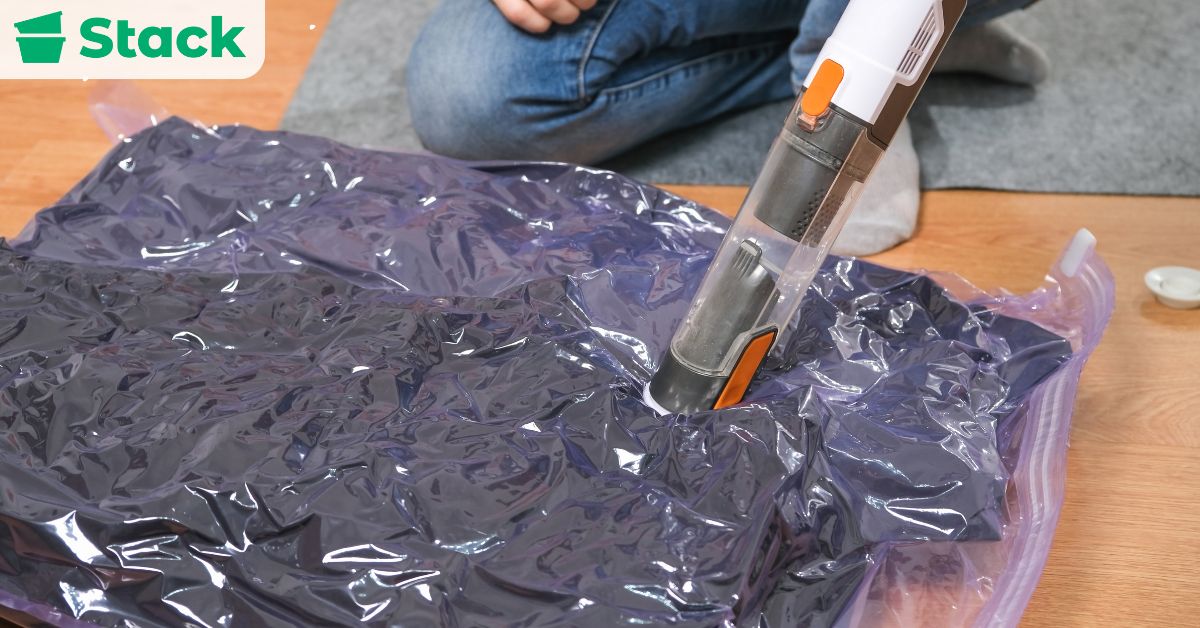
The best way to pack comforters for moving is to compress them in a vacuum bag and place them inside a sturdy moving box. This keeps the comforters compact, protected, and easy to stack. If you don’t have vacuum bags, you can use a large garbage bag instead; just get as much air out as possible before sealing it tight.

Over the last 2 years, Stack Moves has made moving easier with our durable plastic bins designed for everything from comforters to fragile items. Our friendly team is always ready to give expert advice and practical moving solutions that save space, cut costs, and keep your belongings safe. Contact us today to book your moving bins for rent and enjoy a stress-free relocation.

In this blog, we will teach you the best ways to pack your comforters for moving and ensure they stay in excellent condition throughout the moving process.

How to Pack Comforters for Moving Like a Pro

How to Pack Comforters for Moving Like a Pro

The best way to pack comforters is to pack them last. Because of their fluffy/bulky nature, they can quickly fill up space that could be used for packing smaller objects. Packing your bedding last lets you secure other essential items first, and you can easily use your bedding as packing material if necessary.

1. Sort and Clean Your Comforters

Before you begin packing comforters, make sure they are freshly washed and completely dry. Any moisture could cause mildew, mold, or an unpleasant odor during the move. Also, take this opportunity to donate or discard old blankets and linens you no longer need. Doing this helps you save valuable space in the moving truck.

2. Gather the Necessary Supplies

The success of your move hinges on the quality of your packing materials. Make sure you have the right packing materials on hand to help you protect your items and guarantee a smooth packing process.

Below, we have listed a few necessary supplies needed for packing your bedding:

  • Sturdy moving boxes – Great for packing bedding and linens
  • Vacuum storage bags – Ideal for compressing bulky items like comforters
  • Packing tape – To secure your boxes and keep your belongings protected
  • Packing paper – Gives you a clean layer at the bottom of the box and helps prevent dirt or moisture from reaching your linen
  • Permanent marker – Useful for labeling boxes
  • Lavender sachets or dryer sheets – Keeps your bedding and linens smelling fresh throughout the move

3. Fold the Comforter Neatly

It’s not enough to just toss the comforters into a bag. Fold them neatly to eliminate excess trapped air. This makes compression easier and prevents bulky shapes that waste packing space.

4. Use Vacuum-Seal or Compression Bags

Vacuum-sealing is the most effective way to save valuable space and keep comforters safe. Slip each comforter into a vacuum bag and press out the air inside to create a tight seal. This reduces the bulk and prevents dust, dirt, and moisture from reaching your bedding. If you don’t have vacuum bags, large trash bags can work, but push out as much air as possible before sealing them.

5. Place Comforters in Moving Boxes or Plastic Bins

Once compressed, pack your comforters inside sturdy moving boxes. Layer your blankets and linens together with your comforters to maximize packing space. For long-distance moves in humid environments, plastic bins are the best option because they protect against moisture and rough handling.

6. Label Boxes Clearly for Easy Unpacking

Labeling saves time and stress. Write the contents and room destination on every box, such as “Comforters and Blankets – Master Bedroom.” Clear labeling helps you unpack faster and prevents mix-ups during the move. If you used comforters as padding materials around fragile items, please mark that clearly to ensure the box is handled carefully when unpacking.

7. Keep One Comforter Accessible for Immediate Use

After a long day of moving, you wouldn’t want to dig through sealed boxes to find a blanket for a good night’s sleep. This is why you should always keep at least one comforter within reach to settle in comfortably right away.

The Best Packing Techniques for Comforters When Moving

The Best Packing Techniques for Comforters When Moving

How you pack your comforters matters more than you think. These bulky items are notorious for their space consumption; hence, the right packing technique can save you time and stress as you prepare for your move.

Use Vacuum Storage Bags for Space-Saving

We all know how much room the average comforter takes up. Placing them in a vacuum storage bag after folding them can further compress them and save space. This makes them easier to transport. This packing technique is particularly useful if you have more than one comforter to pack.

Pack in a Sturdy Box or Duffel Bag

To give your comforters some additional protection, you can try packing them in sturdy cardboard boxes or duffel bags. The material these containers are made from can keep your comforters safe from damage and save you from inconvenience during the trip.

Avoid Overstuffing the Box

It can be hard to fight the urge to stuff your box to the brim in an attempt to pack as much as you can. However, overfilling your box can potentially damage the comforter. Not to mention, it makes the box harder to carry.

Seal the Box or Bag Securely With Packing Tape

Once you’re done packing your comforters, be sure to seal the moving box with some tape. This extra step will ensure your bedding stays contained throughout the trip and protected from all forms of dirt and moisture. A well-sealed container also reduces the risk of the comforter shifting or spilling out, keeping it in perfect condition until you’re ready to unpack.

How Do You Pack Linens & Bedding?

Whether you’re dealing with bulky comforters or delicate bedsheets, your bedding and linens need to be packed with careful consideration. This ensures they remain clean and fresh during your move.

How to Pack Bedding for Moving

To compress the size of large items such as blankets, duvets, and pillows, start by folding them neatly. For some added protection, place them in a vacuum storage bag. If you’d rather not use a vacuum storage bag, you could also use garbage bags to get the same result. Remember to pack these last so they don’t get crushed under the weight of heavier items.

How to Pack Linens for Moving

Carefully fold your linens (pillowcases, mattress pads, duvet covers, and flat sheets) to save space and prevent wrinkles. A medium box is usually all you need to pack all your linens, but you may need a larger box if you have a lot. We’d advise you to place them in garbage bags for an extra layer of protection.

How to Pack Towels for Moving

Towels come in varying sizes, so start by sorting them by size. Then fold them neatly into a box. To conserve space, you can try rolling them instead of folding them. You can even try placing your towels between the gaps around other items to maximize space and cushion fragile items.

5 Tips For Packing Bedding and Linens

5 Tips For Packing Bedding and Linens

Keep these five essential tips at the back of your mind to arrive at your new home with your bedding in excellent condition:

  1. Use large boxes for your bedding: Bedding can be bulky, so we recommend using large cardboard boxes or any other container to store it. This will prevent overcrowding and reduce the risk of damaging your possessions, plus moving them will be a lot easier.
  2. Line the bottom of boxes with clean packing paper: Before placing your bedding and soft goods in a box, it is advisable to line the bottom with clean packing paper. Doing this adds an extra layer of protection to the container, keeping it safe from potential dirt and moisture during the move.
  3. Protect linens with plastic bags: If you want your linens to stay clean and fresh throughout your move, consider packing them in plastic bags. This is especially useful if you plan to keep these items stored away for a long time.
  4. Carefully fold them: Fold your bedding neatly into your storage container. This will save you space and make the unpacking process easier.
  5. Pack bedding and linens last: As we mentioned earlier, starting with your bedding can quickly use up your storage space, as it can be very bulky. We recommend packing it last to avoid this and having to resort to placing heavier items on it, which can cause wrinkles or damage.

Where to Find the Best Moving Boxes?

Where to Find the Best Moving Boxes?

When preparing for a move, the first thing that crosses your mind is where to buy moving boxes. While this may be the most common way to get moving boxes, it’s also the most expensive method. Fortunately, there are multiple ways to source moving boxes, each with its pros and cons.

  • Friends and Family: The easiest way to source moving boxes is to get free ones from grocery stores, liquor stores, friends, and family. This is the most cost-effective way to gather moving boxes, but the condition and quality of these boxes are unpredictable.
  • Online Retailers: Sites like Amazon, U-Haul, and Lowe’s make it easy to buy boxes in bulk. Buying storage boxes lets you control their quality. Sadly, this can be very expensive if you need a large number of boxes.
  • Moving and Storage Companies: Some companies sell or provide boxes for your moves, but availability and durability can vary.
  • Rental Companies: This is the best choice because of how cost-effective and convenient it is. For an affordable price, you get sturdy, reusable plastic bins delivered to your doorstep and picked up after you move.

What Size Moving Boxes Do You Need?

Another thing you don’t want to overlook when packing is making sure you have the best-sized boxes for every need. Getting this step right improves packing efficiency and ensures your belongings arrive in excellent condition.

Small boxes are best for dense, heavy items like books, canned goods, tools, and toiletries because they prevent overpacking and tearing. Medium boxes are ideal for kitchenware, folded clothes, towels, and décor because they offer enough space without becoming too heavy to handle. Large boxes are best for bulkier, lightweight items like comforters, duvets, pillows, mattress pads, and other bedding.

Need a Reliable Way to Pack Comforters for Moving?

Packing comforters, blankets, and bedding in general goes beyond stuffing them in a box. Your goal should be to maximize your space while protecting them from dirt, moisture, and any other kind of damage during the move.

We recommend pairing vacuum-storage bags with plastic moving bins to keep your bedding clean, fresh, and undamaged throughout the relocation process. As you prepare for your move, steer clear of damp environments because exposing your bedding to moisture can encourage the growth of mildew and damage it. You can go a step further to check the weather reports for the day you plan to move to prevent moisture damage. Small steps like these go a long way in keeping your belongings in top condition.

Still got questions? In addition to plastic bin rentals, we also share expert packing strategies that take the stress out of moving. Contact us today to book your bins and enjoy a hassle-free relocation.

Frequently Asked Questions

We answered some of the most common questions around how to pack bedding for moving to help you save time, effort, and even money on moving supplies.

What’s the Best Way to Pack Down a Comforter for Moving?

Pack your comforter in a vacuum-seal bag to remove excess air and compress your comforter. Doing this keeps your compact and protects it from dust and moisture. Place the sealed bag inside a sturdy moving box or plastic bin to prevent damage during the move.

How Can You Tightly Pack a Comforter Without Damaging It?

To tightly pack your comforter, fold it neatly, then use a vacuum-seal bag or compression bag to reduce its size. If you don’t have these, you can also use a large trash bag and just press out as much air as possible. Then secure it with tape.

What’s the Proper Way to Pack Blankets for Moving?

You can pack your blankets the same way as your comforters. Fold them flat and place them in vacuum storage bags to reduce their bulkiness. For added protection, you can wrap them in plastic bags before placing them in their moving boxes.

How Should Sheets and Comforters Be Stored Safely?

Store your sheets and comforters in a cool, dry, and well-ventilated place away from direct sunlight or humidity. First, make sure they are dry and clean. Then store them in a breathable container like a fabric bag with silica gel packs or cedar blocks to absorb moisture and deter pests.

Should You Pack Pillows in Boxes or Bags When Moving?

Pillows are best packed in large plastic bags or vacuum-seal bags to save space. If you have extra room in moving boxes, you can use pillows as soft fillers around fragile items. Just ensure they stay clean by covering them first.

IT Office Relocation Excel Checklist

Using an IT Office Relocation Checklist in Excel helps you organize tasks, assign responsibilities, and monitor progress in one centralized document. This ensures that nothing is overlooked and keeps the entire relocation process on track.

When it comes to managing the complexities of an IT office relocation, no one understands the importance of organization better than Stack Moves! With years of proven experience and trusted by businesses across industries, we use durable moving crates and packing solutions to make transporting even the most sensitive and expensive equipment safe and efficient. Paired with our professionally developed IT Office Relocation Checklist in Excel, you can keep your move structured, minimize downtime, and protect your assets every step of the way. For a seamless corporate move backed by expertise you can trust, contact Stack Moves today for a free consultation.

This guide will help you use an IT office relocation checklist in Excel to streamline planning, track progress, and ensure a smooth, organized move.

Why Do You Need an IT Office Relocation Checklist?

Why Do You Need an IT Office Relocation Checklist?

Moving IT equipment without a proper plan can expose your business to serious risks such as data loss, extended downtime, or even damage to critical hardware. Without a structured approach, it’s easy to overlook essential steps such as backing up servers, coordinating with corporate relocation services, or setting up network connections in the new location. These disruptions can lead to financial losses, frustrated employees, and decreased productivity.

An IT office relocation checklist helps you stay organized. It clearly outlines each step of the process and assigns responsibilities to appropriate team members. Instead of relying on memory or scattered notes, the checklist ensures that critical tasks such as disconnecting systems, transporting equipment safely, and setting up infrastructure are tracked and completed on time. This structured method reduces confusion, enhances communication, and ensures accountability across your team.

The Excel-based checklist is a valuable tool that simplifies tracking progress, assigning tasks, and setting deadlines. It’s customizable to suit your company’s needs, allowing you to filter tasks by priority and monitor completion status easily. This flexibility keeps the relocation process on schedule. It affords managers a clear, real-time overview of responsibilities and progress, ensuring a smoother and more efficient transition.

What Should an IT Office Relocation Checklist Excel Include?

For a secure, efficient, and successful office move, an Excel IT office moving checklist is a vital tool. By breaking down every step from preparing equipment and safeguarding data to coordinating with vendors and setting up the new office space, you can ensure a seamless transition. This approach minimizes downtime.

  • Inventory of IT Equipment:Start your checklist with a complete inventory of all IT assets, including computers, servers, monitors, printers, routers, and other devices. Assign responsible team members to monitor each item during the move to prevent loss or oversight.
  • Data Backups & Security:Include a schedule for backing up all critical data and verifying that backups are complete and accessible. Note any encryption methods and secure transport procedures to keep sensitive information safe throughout the relocation.
  • Network & Connectivity Planning:Add a checklist for setting up cabling, Wi-Fi, firewalls, and VPNs at the new office. Be sure to test connectivity both before the move and immediately after setup to avoid disruptions.
  • Software & Licensing:Document all installed software across devices and confirm that licenses are transferable or renewed as needed. This step prevents downtime and ensures compliance once systems are reinstalled.
  • Vendor Coordination:List all external partners, including office relocation companies, cleaning services, IT service providers, and utility contacts. Confirm moving expenses, move dates, and responsibilities in advance to minimize delays.
  • Set up at the New Location:Create a checklist for workstation setups, including computers, monitors, and peripheral devices. Also, include detailed steps for server and network setup to ensure operations resume smoothly in the new address.

How to Create Your IT Office Relocation Checklist in Excel

How to Create Your IT Office Relocation Checklist in Excel

To create your IT Office Relocation Checklist in Excel, start by setting up a worksheet that covers all key tasks. List every step of the move, from taking inventory of equipment to coordinating with vendors, in a clear and organized way. This guarantees the documentation of all responsibilities, preventing any gaps during the transition.

Next, design your spreadsheet with essential columns such as Task, Assigned To, Priority, Status, Deadline, and Notes. These categories make it easy to delegate responsibilities to relevant parties, monitor progress, and ensure accountability across your team. By prioritizing tasks and tracking deadlines, you can maintain control over the relocation timeline and address potential issues before they escalate.

To enhance usability, apply conditional formatting to highlight overdue tasks or mark completed items with color coding. You can also add progress bars or percentage trackers for a quick visual overview of how the relocation is advancing. If you’re unsure where to start, have a look at our free Excel template that already includes these features and can be customized to fit your specific IT relocation needs. This approach saves time, improves efficiency, reduces office moving costs, and helps ensure a smooth office transition.

How to Plan an Efficient IT Office Relocation Process?

Moving an IT office requires meticulous planning to prevent disruptions and safeguard valuable equipment and data. A well-structured process can make the move smoother and ensure an easy transition to your new workspace. This flexibility keeps the relocation process on schedule and affords managers a clear, real-time overview of responsibilities and progress, ensuring a smoother and more efficient transition

1. Pre-Move Inventory

Start by creating a detailed inventory of all IT assets, including computers, servers, printers, and networking equipment. This ensures that nothing is misplaced and helps prioritize what needs to be relocated or upgraded.

2. Data Backup and Security Measures

Back up all critical data to a secure cloud storage service or external drives before the move to prevent potential data loss. Implement encryption and strong access controls to protect sensitive information from breaches during transit.

3. Packing IT Equipment Safely

Use anti-static materials, padded boxes, and proper labeling when packing, especially for new and expensive equipment. This prevents physical damage and makes reassembly at the new location faster and more efficient.

4. Coordinating With Movers and IT Vendors

Work with professional movers experienced in handling technology and coordinate closely with IT vendors. Effective communication ensures that equipment is transported securely and is ready for immediate setup.

5. Setting up Workstations at the New Office

Plan the new office layout and floor plan, considering power, cabling, and internet connectivity access points. Have IT staff on-site to install technology infrastructure quickly so the entire team can resume work with minimal downtime.

Tips to Simplify Your IT Office Move

tips to simplify your it office move

Relocating your IT office to a new office location can be a complex process, but with the right preparation and a comprehensive checklist, you can minimize disruptions and avoid costly mistakes. These practical tips will help you protect your equipment, keep your team organized, and ensure a smooth transition to your new workspace.

1. Back Up All Data

You can protect the critical files that your business needs, even if something goes wrong during the move, by creating secure backups. Store copies in both cloud storage and external drives for extra security.

2. Label Equipment and Cables

Marking devices and cables saves time during reassembly and reduces the risk of errors. Use color-coded tags or office moving labels for new equipment or to quickly match items to their correct stations.

3. Assign Roles and Responsibilities

Delegating assignments helps avoid confusion on the moving day and ensures every step of the process is covered. Have a pre-move meeting with team members so everyone knows their duties.

4. Coordinate With IT Vendors and Moving Companies

Early planning with professionals ensures the safe transportation of equipment, especially those that require special handling, from the old office and its proper installation in the new space. Confirm schedules and responsibilities well before moving day to avoid delays.

5. Test the Networks and Systems.

Running connectivity and system checks in advance prevents unexpected downtime. This ensures that employees can resume work smoothly.

6. Rent Office Moving Crates

Plastic crates offer better protection for sensitive devices and are easier to stack and move. They also reduce the risk of equipment shifting or breaking in transit.

7. Keep Essential Tools and Spare Parts Handy

Having cables, adapters, and backup devices available helps resolve small issues immediately. This minimizes interruptions and keeps your employees productive.

8. Communicate Regularly

Inform employees early about the relocation plan and provide updates to keep the relocation process organized and transparent. Clear communication also builds confidence and reduces stress for the whole team.

Common IT Office Move Challenges and Solutions

common it office move challenges and solutions

One of the biggest challenges in any IT office move is avoiding data loss during the transition. Sensitive business information about clients and the entire office can be compromised if systems are not properly backed up or if hardware is mishandled during transport. The solution is to create complete data backups before the move, use encryption for added security, and work with professionals who specialize in handling IT equipment.

Another common issue is minimizing downtime for employees, as even a few hours of lost productivity can impact business operations. To reduce disruption, schedule the relocation outside of peak business hours and set up temporary systems or remote access for critical functions. Having a detailed timeline and clear communication with staff ensures they can prepare and adapt to any short-term changes in workflows.

Finally, troubleshooting network setup issues and handling delays from corporate relocation service vendors or movers often create unexpected obstacles. To avoid network problems, test the infrastructure at the new site ahead of time, and have IT staff available for immediate setup and troubleshooting. When working with vendors or movers, establish clear contracts. Confirm timelines in writing, and build in contingency plans so your relocation can stay on track even if delays occur.

Are You Ready to Move Your IT Office Efficiently?

Careful planning is essential for any IT office move, as it helps prevent data loss, equipment damage, and unnecessary downtime. A comprehensive office relocation checklist serves as a practical tool to organize tasks, assign responsibilities, and track progress, making the relocation process smoother and more efficient.

For reliable corporate moving, trust Stack Moves to keep your IT office relocation organized and secure. With our durable moving bins for rent and expert solutions, paired with an IT office relocation checklist in Excel, you can minimize downtime and protect valuable equipment. Contact us today for a free consultation and a stress-free move.

Frequently Asked Questions

Planning an IT office move comes with many questions, especially when it comes to organizing tasks and tracking progress efficiently. Below are answers to common FAQs to help you streamline your relocation with an Excel checklist.

How to Protect Your Data During the Move?

Back up all your files to a secure cloud service or external drive before the move to prevent accidental loss or damage. Use encryption and strong passwords on your devices to keep sensitive data safe from unauthorized access.

How to Protect Your Office Equipment During the Move?

Disassemble and pack office equipment in sturdy, padded boxes to prevent damage during transport. Label everything clearly and use protective covers for sensitive electronics to ensure safe handling and easy setup at the new location.

Are There Any Templates Available for an IT Office Relocation Checklist in Excel?

Yes, you can find free and customizable IT office relocation checklist templates in Excel online. These templates help track tasks such as inventory, equipment setup, network configuration, and timelines to ensure a smooth move.

How to Ensure the IT Relocation Process Is on Track?

Create a detailed project plan with clear timelines, responsibilities, and milestones to track progress. Regularly communicate with your IT team and vendors, conducting status checks to quickly address any delays or issues.

What Is the Best Way to Notify Employees and Stakeholders About the Upcoming IT Office Relocation?

Send a clear, company-wide announcement via email and internal communication channels, outlining the relocation details, timeline, and expected impact. Follow up with regular updates and provide a dedicated point of contact to address questions or concerns.

Quick Packing Tips for Moving in a Hurry

Are you relocating on short notice or just falling behind your moving schedule? With a few quick packing tips for moving in a hurry, you can save time, reduce stress, and still enjoy an organized move. Create a simple moving checklist to help you focus on the essentials, use what you have at home instead of buying new supplies, and label boxes clearly to hit the ground running when you arrive.

At Stack Moves, we understand how overwhelming a last-minute move can be. Over the years, we’ve helped hundreds of clients enjoy stress-free moves with our convenient moving bins for rent. Each rental is delivered to your door and picked up after your move. Packing becomes faster and easier. Contact us today to get started on your journey towards a hassle-free move!

In this post, we will be sharing proven last-minute moving tips that will help you accelerate your packing process and make your move as smooth as possible, even on short notice.

11 Packing Tips for Moving in a Hurry

Packing Tips for Moving in a Hurry

After reading these tips, you’ll know exactly how to speed up your packing process and make your move as smooth as possible, even on short notice.

1. Make a Quick Packing Checklist

The key to having a successful last-minute move is to get organized first. I know what you’re thinking, but I don’t have time! Even just 10 minutes dedicated to making a checklist will make the move significantly easier. With that said, once you’ve made a list of everything you’ll need to move, it’s time to start thinking about what tools you’ll need.

2. Gather Packing Supplies

The next step is to gather packing supplies. Make sure you have enough basic supplies, which include your moving boxes, packing tape, bubble wrap, packing paper, etc., on hand. To get an accurate estimate of how many boxes you’d need for your move, use a moving box calculator.

3. Pack by Priority

Usually we advise people to pack room by room, but in a case like this, it makes more sense to pack based on priority. Start with the items you use daily and pack them in an essentials box. Then move on to bulky or fragile items that need additional padding to stay safe. Pack your non-fragile items, such as clothes, last because they can be stuffed into boxes quickly.

4. Clear Big Items First

If time is of the essence, prioritize large items and furniture first. Once big items are out of the way, you can quickly fill boxes or trash bags with smaller belongings. This process also frees up space in each room so you can move faster.

5. Confirm Moving Logistics

If you intend to hire movers, contact them promptly to confirm your moving date, services, and costs. Remember, last-minute bookings typically have limited availability and are more costly. However, if you’re handling the move yourself, you should arrange a moving truck as soon as you can. For long-distance or cross-country moves, double-check travel plans and secure any storage space you may need.

6. Declutter on the Fly

Find a box or bag to toss items you know you won’t take into. If possible, hire a professional junk removal company to handle all your unwanted items in a single trip.

7. Set Realistic Goals

When dealing with a last-minute move, chances are not everything will go smoothly. Thus, set achievable goals and keep a flexible attitude about the moving process. 

8. Use Your Suitcases

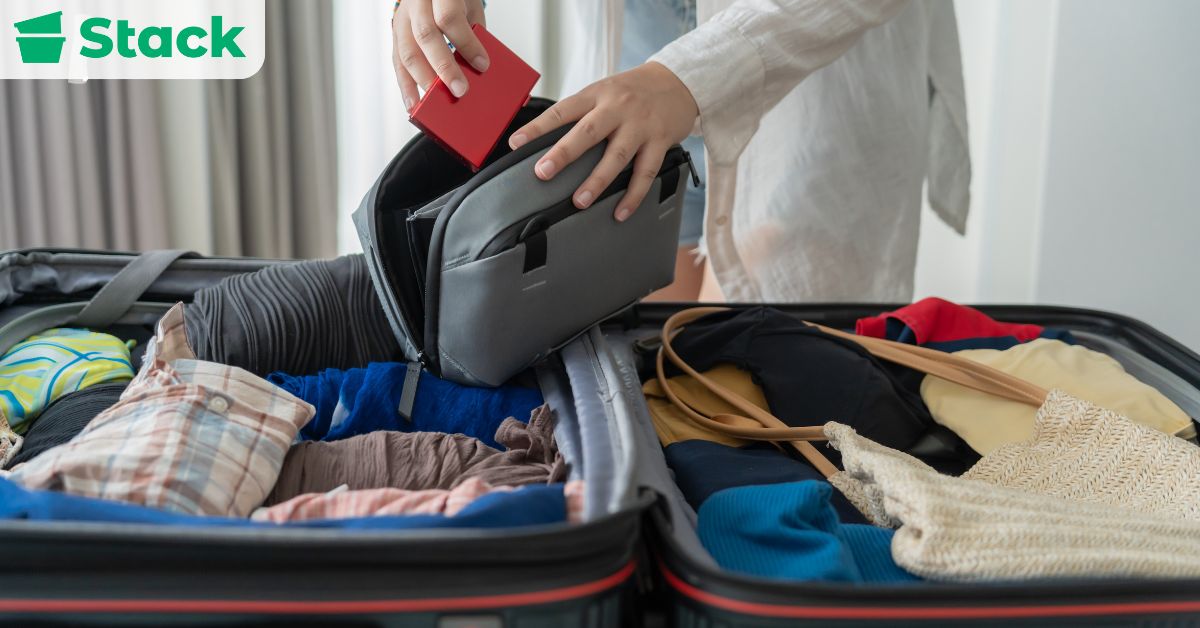
Before you reach out for extra boxes, consider using your luggage at home. Fill your suitcases with clothes, shoes, and bulky items like pillows. They’re sturdy, easy to roll, and can comfortably handle heavier loads. If you have any duffel bags lying around, use these to save space in your moving truck. This way, you cut down on boxes and save money on packing supplies.

9. Vacuum-Seal Bulky Items

Large items like bedding, towels, and seasonal clothing take up a ton of space. Vacuum-seal bags can shrink them down to a fraction of their size, freeing up valuable room to pack other items. Using vacuum bags protects the fabric from dust, dirt, and moisture while in transit.

10. Wrap Breakables with Soft Items

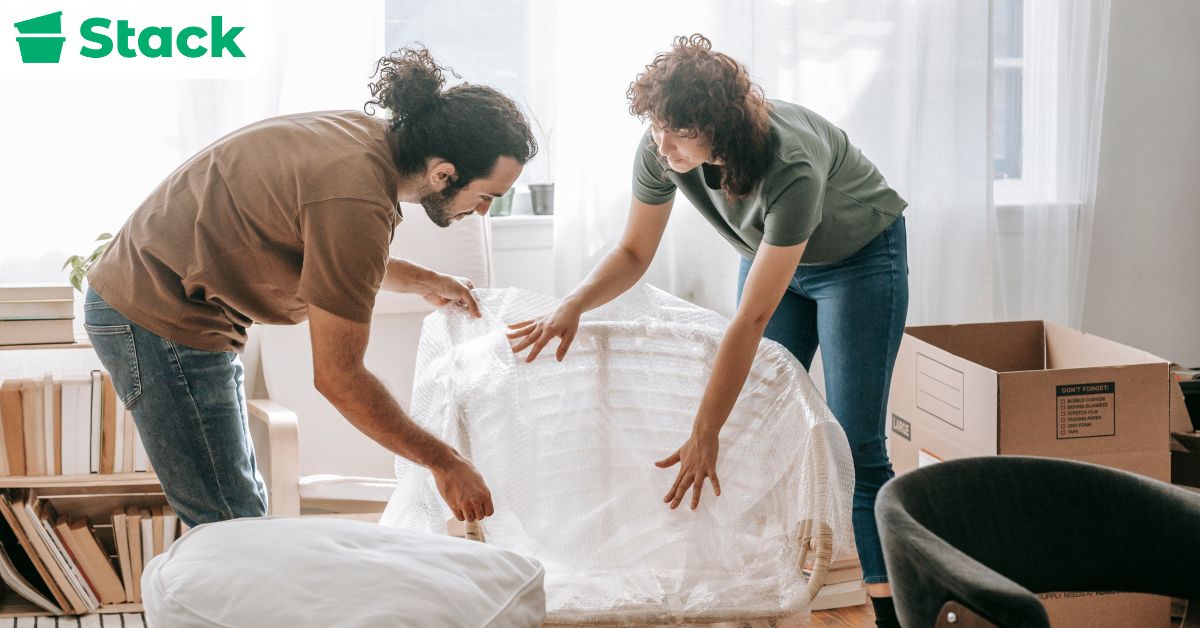
If you run out of bubble wrap mid-move, don’t panic. Soft items like towels, socks, and t-shirts make excellent padding for dishes, glasses, and other breakables. Just wrap plates individually in shirts or towels and stack them vertically in smaller boxes to minimize the risk of breakage. This dual-purpose strategy lets you kill two birds with one stone by saving you money on packing materials and keeping more items together in one load. 

11. Leave Clothes on Hangers

Don’t waste energy folding closet clothes; instead, tie hangers together in small bundles and slip a trash bag over them for a makeshift garment bag. At your new place, you can simply rehang everything in minutes. This is one of the fastest wardrobe-packing tricks.

5 Minute Pre-Move Preparation

5 Minute Pre-Move Preparation

Are you looking for a quick way to pack and prepare in just 5 minutes? First, you should draft a quick checklist that prioritizes tasks based on urgency. This should include hiring movers, packing your belongings, finalizing your travel arrangements, and handling utilities. Since you’re short on time, your checklist must be concise and focused on critical tasks.

Next, sort items quickly and decide what to keep, donate, or toss. This step prevents you from wasting time packing items you don’t actually need. Keep essential items and things you use daily. For the items still in excellent condition but no longer useful, you can donate. However, you should dispose of broken items or those not suitable for donation. 

While doing your pre-move preparation, you should have essential packing supplies at the ready. They include moving boxes, plastic wrap, packing tape, tape scissors, packing paper and bubble wrap, trash bags, markers, and color-coded stickers. When packing, begin with the most critical items. Then, pack a bag with items you’ll need immediately upon arrival, like toiletries, chargers, important documents, etc. 

Lastly, get a quick moving estimate beforehand to understand your expenses, especially if you’re moving a long distance or if you require storage units. Getting such information can be helpful for budgeting. For example, you can get an estimate on the average moving costs for a 1-bedroom apartment in CA.

Time-Saving Packing Strategies

Time-Saving Packing Strategies

Two of the fastest ways to stay organized during a last-minute move are setting up a central packing station and using the one-room-at-a-time approach. Both strategies save time and make unpacking much easier.

With a central packing station, you keep all your packing supplies in a designated spot. The idea is to keep everything you’d need readily accessible for use. A central packing station not only speeds up the packing process but also keeps your efforts organized and prevents wasted time.

Using the one-room-at-a-time method helps you stay focused and guarantees you don’t overlook anything. As the name implies, you only focus on packing one room at a time. It makes unpacking more straightforward because everything from one room is packed together. For this approach to be even more effective, it’s important to choose the best boxes that match the items you’re packing.

Clothing and Soft Goods: The Bundle Technique

One of the quickest and most effective methods for packing clothes quickly is the bundling technique. Instead of folding clothes flat, roll and wrap them around a smaller core item like socks or underwear to create compact bundles. This technique saves space and also reduces wrinkling, making it an efficient method for packing soft goods.

Use wardrobe boxes for hanging clothes because they allow you to transfer garments directly from your closet without folding. If you can’t get any wardrobe boxes last minute, garbage/trash bags make a good garment bag substitute. Simply slip the bag over a group of hangers and tie it at the bottom. This method keeps clothes together, clean, and ready to rehang at your new place.

Electronics and Appliances

When packing electronics and appliances like a coffee maker, protection matters more than speed. It’s best to pack electronics in their original boxes if you still have them. If the original packaging isn’t available, use sturdy moving boxes and secure the items with bubble wrap and packing paper. Additionally, ensure that fragile items are marked clearly and kept separate from heavier items to avoid damage.

Packing Essentials: What to Keep Handy

Packing Essentials: What to Keep Handy

After a successful move, the last thing you’d want to do is dig through boxes to find your phone charger. That’s why it’s important to pack an essentials bag during a move. Your essentials bag should contain items you’ll need for the first night and the following few days after your move.

Examples of items to pack in an essentials bag include personal belongings such as toiletries, medications, glasses, bedding, towels, and a change of clothes. It should also have important documents, like an ID, medical records, lease or purchase documents for the new house, insurance policies, and other critical paperwork.

Also, allow your situation to guide what you include in your essentials bag. For example, if you have children or pets, include necessary items like diapers, baby food, pet food, and favorite toys to keep them comfortable. If you expect to arrive after dark, it makes sense to include a flashlight or small lamp so you’re not fumbling through boxes without light.

Without an essentials bag, you would have to endure the stress and chaos of searching through numerous boxes for your necessities on the first day after a tiring move. It should be the last thing you pack and the first thing you open when you arrive.

Moving Day: Execution and Flexibility

Typically, you should have a checklist when preparing for moving day. Before the movers arrive or you start loading the truck, do a final packing review to ensure that all boxes are properly sealed and labeled with items and their designated rooms. You should also go through each room, including closets, attic, basement, and garage, to make sure nothing is left behind. 

Keep in mind that moving day can come with its own set of unforeseen issues. Therefore, you should be flexible with timing. Additionally, stay in close contact with your movers. Ensure that they have your correct new address and a phone number to reach you at any time. It is also important to know what to do in case of an emergency, including having a first aid kit and the phone numbers for local emergency services. 

When and How to Ask for Help

When and How to Ask for Help

Moving can be a daunting task, particularly when done at the last minute. However, packing goes more quickly and is somewhat more enjoyable when friends and family are present. Ideally, inform your friends and family as soon as you’ve scheduled your move. Even a day or two of notice is better than surprising them on the morning of your move.

To get your friends and family involved, reach out to them via phone or text and be clear about the kind of help you need and the time commitment involved. Then, pick a time that is likely to be convenient for most people. Evenings or weekends usually work best. 

It is important to prepare and have all your packing supplies ready before they arrive. Furthermore, you should offer incentives like snacks, drinks, or even promise to return the favor. Also, assign tasks based on strengths. Let some friends handle the heavy lifting while others can wrap delicate items or manage organizing the boxes.

If friends and family can’t cover it, hire professional packers or movers. Even though it’s last-minute, try to get at least three quotes to ensure you are getting a reasonable price. Before booking, ask important questions about their experience, insurance policies, and the services they offer. For example, many people often ask, ‘Do moving companies pack for you?’ Make sure you know exactly what the movers’ services will include. Also, confirm whether they can handle special items that require careful packing or heavy lifting.

Move Faster with Plastic Moving Bins for Rent

The first thing to do when navigating a last-minute move is to create a moving checklist. With it you’ll be able to stay on track, prioritize tasks, and avoid overlooking anything important. Combined with other helpful strategies like using materials already available at home, you can make the process manageable and far less stressful.

If necessary, hire professional movers to save time with packing, loading, unloading, and unpacking. Remember that moving in a hurry doesn’t have to be a chaotic experience. Preparation and organization are key, even when time is short.

If you want to get packed and on the road quickly, consider renting your moving boxes instead of purchasing them. Our delivery and pickup services are available in multiple locations across the U.S. Schedule your boxes to get started!

Frequently Asked Questions

Moving in a hurry is a stressful process, but with the right strategy, you can stay organized and save time. Here are answers to common questions about last-minute packing and moving.

How to Quickly Pack for Moving?

Consider downloading a checklist instead of creating one from scratch. Prioritize packing your essentials first and rent moving boxes instead of buying them to save time. Also wrap fragile items using what you already have at home, like towels, and label boxes by room to speed up offloading and packing.

What Should I Pack for Last-Minute Moving?

First discard anything you no longer need to lighten your load. Then focus on your essentials, which include clothes, toiletries, important documents, and anything you would use daily, before moving on to non-essentials.

How Do You Pack for a Move Without Getting Overwhelmed?

Break packing into small tasks. Tackle one room at a time, use labels to stay organized, and set aside an essentials bag for moving day.

How Long Before Moving Day Should I Start Packing?

Ideally, start 2–4 weeks ahead. For last-minute moves, begin immediately with essentials and work through non-fragile items before tackling breakables.

How Can I Pack Efficiently When Moving on Short Notice?

Use what you already have. You can replace bubble wrap with other cushioning items like towels or use garbage bags to pack bulky but non-fragile items like comforters. This is an opportunity to utilize available resources creatively.

Are There Professional Services Available for Last-Minute Moves?

Yes, they are. If you’re handling packing yourself, you can rent eco-friendly moving boxes and have them delivered to your location and picked up from your new address when you’re done. If you need full-service movers, keep in mind prices for last-minute services are usually higher.

How Much Do Movers Charge?

On average, movers charge $300 to $1,500, or about $25–$75 per mover per hour. The exact price depends on factors like the size of your home, moving distance, and additional services. While these estimates are useful for planning, the final price can vary, which is why this guide covers everything from typical rates to hidden fees and cost-saving tips.

Are you worried about the cost of planning for your move? At Stack Moves, we’ve built a reputation for helping movers lower their moving costs with our reusable moving bins for rent. This simple switch from buying boxes to renting them has saved our customers hundreds of dollars while making their moves faster, easier, and more organized. Contact us today to kickstart your journey to a more budget-friendly relocation.

In this post, we’ll break down the main factors that influence local moving costs, hidden fees to watch out for, and how to get the best value for your budget.

How Do Movers Structure Pricing?

How Do Movers Structure Pricing?

Professional moving companies calculate their prices in different ways, and the method used can greatly impact your average moving cost. Knowing how each works will help you choose the option that best fits your budget, timeline, and moving needs. There are three main pricing models used in the moving industry:

1. Hourly Rate Pricing

This is the most common pricing method for local movers, and it involves paying an agreed rate per hour. This pricing method is best suited for smaller local moves. The biggest benefit of using this pricing method is that you only pay for the time used. You can control your costs to some extent by keeping your loading and unloading organized. However, some things, like traffic delays, are out of your control. Such events can extend the time needed to complete the move and increase your bill.

2. Flat-Rate Pricing

With flat-rate pricing, you’re given a fixed estimate for the entire job, regardless of how long it takes. This method is often used for interstate relocations or jobs with clearly defined requirements. It’s ideal for people who want predictable costs and don’t want to worry about hourly billing. However, if the estimate is based on inaccurate information, the price may be adjusted, or the mover may refuse to transport extra items not included in the quote.

3. Weight-Based Pricing

Your cost to hire movers could also be calculated based on the total weight of your shipment, making it common for interstate and cross-country moves. This method works well for large moves if you’ve taken the time to declutter and reduce the load, as fewer pounds means a lower price. The downside is that heavy or bulky items can significantly increase your overall cost.

Hourly Rate Pricing Flat-Rate Pricing Weight-Based Pricing
Ideal For Local moves over short distances Long-distance moves Interstate or cross-country moves
Cost Calculation Set rate per hour Fixed total price based on scope Price per pound of shipment
Main Advantage You only pay for the time used Easier to budget and avoid unexpected hourly charges Fewer pounds = lower total cost
Potential Drawback Uncontrollable delays like traffic can increase the bill Price may change if the original inventory or details are inaccurate Heavy or bulky items can raise the price even if they take up little space

What’s the Average Cost of Movers?

What’s the Average Cost of Movers?

On average, hiring movers for a local move costs around $80 per hour, while long-distance moving companies typically charge using weight-based pricing. In either case, the total cost will depend on several factors, such as the distance of the move, the size of your home, and any additional services you choose.

How Much Do Local Movers Charge?

For local moves (100-500 miles), many local moving companies will charge an hourly rate that falls between $25 and $75 or more. Some factors that could make this rate higher or lower include the size of your home and moving crew.

For instance, it will only take a few hours for two movers to move a studio apartment, but you might need an entire day and up to 3 movers to move a 3-bedroom apartment. Another factor that can influence your moving cost is your location. For instance, hiring movers in NYC will cost more than hiring the same number in another city.

Some companies even have minimum time or mileage requirements, meaning a short move across town could be billed for several hours regardless of the actual time spent.

How Much Do Long-Distance Movers Cost?

In 2025, the average cost of a long-distance move (over 1,000 miles) is between $2,000 and $8,000+, depending on factors like distance, shipment weight, and more. For long-distance moves, most professional moving companies calculate rates based on the total distance traveled and the weight of your shipment. Other companies may choose to offer a flat-rate quote that still factors in these elements.

The price can also vary depending on whether it’s an out-of-state or cross-country relocation. Moving to a neighboring state will generally cost less than transporting a household from coast to coast, even if the shipment size is the same.

Keep in mind that opting for additional services like professional packing, storage, or special handling for fragile items can increase your total bill.

Move Type Average Cost Range (for movers only)
Short Distance Move (100-500 miles) $300–$1,500 (local hourly rate applies)
Long-Distance Move (1000+ miles) $4,000–$8,000 (flat rate or per weight/mile)
Cross-Country Move $2,500–$11,000 (based on distance & load)
International Move $3,000–$18,000+ (movers + handling fees)

How Much Do Movers Charge Based on Home Size?

The average cost of movers for a 2-bedroom apartment will definitely be more than the average price of moving a studio apartment. This is because the size of your home is one of the biggest factors in determining moving costs. Larger homes usually mean more furniture, boxes, and overall weight, which require more labor and a bigger moving truck.

Home Size # of Movers Average Hourly Rate Average Total Cost (Local Move)
1 Bedroom 2 Movers $80–$120/hour $300 – $1,500
2 Bedrooms 3 Movers $100–$140/hour $800-$2,500
3 Bedrooms 3–4 Movers $120–$170/hour $3,200-$5,500
4 Bedrooms 4–5 Movers $150–$200/hour $3,800–$7,000
5 Bedrooms 5+ Movers $180–$250/hour $7,000+

How Much Do Movers Charge for Specialty Items?

Specialty items typically cost more to move because these items are often bulky, fragile, unusually heavy, or high in value. This means movers must invest more time, materials, and skill to transport them safely. Some common specialty items and the average cost of moving them include:

Specialty Item Average Moving Cost
Piano $200–$1,000+
Pool Table $375-$1,500
Hot Tub $150-$1,000
Car $500–$2,100
Aquarium $100–$500+
Gun Safe $200–$700

What Affects the Price of Movers?

Moving costs aren’t based on distance alone. There are plenty of other factors that can raise or lower your final bill, and knowing them upfront helps you budget more accurately. Some of them include:

  • Specialty or Bulky Items: Heavy furniture, pianos, gym equipment, and fragile or oversized items require more labor, special handling, or custom crating, all of which can push your price higher.
  • Professional Packing Services: Opting for professional packing services instead of packing yourself will save you time and reduce your risk of losing or damaging anything. But it will also increase your overall moving cost.
  • Insurance Coverage: Basic liability protection is usually included, but full-value protection or additional insurance comes at an extra cost. It’s worth the investment if you’re moving valuable items.
  • Number of Movers: The size of your moving crew affects your hourly rate and total job time. If tasked with moving a 4-bedroom home, a two-person team would look cheaper on the surface. In reality, a two-person team could end up being more expensive due to the amount of time required to complete the move. Conversely, a four-person crew can expedite the move, thereby lowering the total billed hours.
  • Time of the Move: Moves during the summer, fall, or even over the weekend are the most expensive because they fall in peak moving seasons. Scheduling your move during the winter or even on a weekday instead of a weekend can lead to lower rates, whether you’re moving locally or out of state.
  • Extra Services: Services like short- or long-term storage, navigating stairs or elevators, and long-carry surcharges all increase your final moving bill. Plus, not all moving companies pack for you; rather, it becomes an added charge on your overall bill.

What Hidden Moving Costs Exist?

What Hidden Moving Costs Exist?

People often concentrate solely on the moving company’s quote when budgeting for a move. Several hidden or unexpected charges can increase your final bill. An understanding of these costs can help you avoid surprises and keep your moving budget under control.

One of the first hidden costs to prepare for is long-distance fuel surcharges, especially for interstate and cross-country moves. If your home is far from the mover’s main service zone, you may be charged out-of-area fees to reflect the travel time and fuel that went into your move.

Another factor that can attract hidden costs is how accessible your building is. Moves involving long flights of stairs or tight spaces usually incur a stair carry fee. In some cases, movers also pass on elevator reservation costs if they need to secure dedicated lift access in an apartment or high-rise building.

Another common hidden expense is the cost of packing supplies. Most movers provide moving boxes and other materials either as part of your moving package or as a separate charge. If you decide to use plastic bins for your move, such expenses can make these fees pricier when purchased upfront, which is why we always advise customers to rent them instead.

Finally, many people overlook the cost of insurance. Basic liability coverage, typically included at no extra charge, provides minimal protection, while full-value protection provides better coverage. However, the price is based on the declared value of your belongings, which can substantially increase your moving costs.

How Can I Save Money on Moving?

Cutting your moving costs isn’t difficult and often involves simple steps that require a bit of planning, such as booking well in advance of your move date. To help you reduce your moving expenses, we’ve compiled a list of the most effective ways to save money on your next move.

  • Take Advantage of Off-Season Moving Discounts: Many professional moving companies offer discounted rates during these slower periods, making it an ideal time to book if your moving date is flexible.
  • Book Mid-Month or Weekday Moves for Better Rates: Scheduling your move for a weekday or in the middle of the month can help you take advantage of lower rates. Additionally, it can also reduce the risk of delays since movers have fewer jobs to juggle.
  • Cut Labor and Material Costs Wherever Possible: Hiring fewer movers or limiting the number of hours they work can have a big impact on your overall moving expense. You can also save money by sourcing free moving boxes from local stores, reusing packing supplies you already have, or borrowing materials from friends and family.
  • Weigh the Risks and Rewards of DIY vs. Professional Packers: You can shave hundreds of dollars off your moving budget by simply packing your belongings yourself, but doing this comes with some unavoidable risks. One of them is a higher chance of damaging something during the move, which could result in higher replacement costs. Consider your time, energy, and the value of your items before deciding.
  • Reduce the Load to Lower Moving Costs: The fewer items you move, the less you’ll spend on both transportation fees and labor costs. A lighter load can even reduce the size of the moving truck you need, leading to further cost savings.
  • Donate or Sell Unneeded Items: When done right, organizing your belongings is financially and emotionally rewarding. By selling unwanted items, you can raise some extra cash to cover your expenses. Plus, anything donated assures you that it’s going to someone who truly needs it.
  • Compare Box Rental vs. Buying New: If you don’t plan to keep these boxes after the move, rent moving boxes instead of buying them. The best moving boxes are durable, environmentally friendly, and can even be recycled.

Cheaper Than Hiring Movers?

Cheaper Than Hiring Movers?

Yes, in most cases, a DIY move is less expensive than hiring professional movers. If you’re planning a local move, moving from a small apartment, or have only a few belongings, opting for a DIY move can save you money.

When planning a DIY move, your biggest expense will likely be the cost of renting a truck. You should expect to pay a base rate plus mileage and fuel. The fees can vary greatly depending on how big your truck is and the distance traveled. And please keep in mind that you may still need to factor in labor costs for loading and unloading the truck.

While DIY moves can help you cut costs, they still come with some risks. There’s a high potential for injury, property damage, or lost time if things don’t go as planned. The process can also be very challenging if you have to navigate tricky situations like long staircases. These drawbacks can sometimes offset the savings and make hiring a professional moving company the smarter choice.

Reduce Moving Expenses With Box Rentals

Movers typically charge $300 to $1,500, or $25–$75 per mover per hour, depending on your home size, travel distance, and any extra services provided. Additional fees like long carries or traffic delays can also increase your bill.

To get the best value for your money, it’s smart to compare quotes from multiple professional moving companies and look for ways to save money without sacrificing quality. One of the easiest ways to do this is to rent plastic moving bins. They’re a stress-free way to cut down your moving costs while keeping things organized at the same time.

In less than 10 minutes, you can schedule your box rental with one of Los Angeles’ most trusted moving bin providers. At Stack Moves, we combine cost-saving solutions with our expertise to help you move faster, safer, and with less stress. Contact us today for a one-on-one consultation to get all the clarity you need.

FAQs About Moving Prices

Even after reading this blog, you probably have a few questions about what affects moving costs and how to plan. Here are some quick answers to help you make informed decisions.

Should I Tip My Movers?

Yes, tipping is customary in the service industry, especially when your service is delivered quickly and with care. While how much to tip movers depends mainly on how satisfied you are with the work done, the standard practice is 10% – 20% of your overall moving bill.

How Early Should I Book a Mover?

For the best rates and availability, book your local movers at least two to four weeks in advance. Consider booking your movers six to eight weeks before your moving date if you are moving during peak moving seasons or planning a long-distance move.

What Is the Cheapest Day to Move?

Weekdays, especially midweek, tend to offer the lowest average moving costs because of the lower demand for moving services during this period.

How Much Do Moving Company Prices Differ?

Prices can differ depending on location, services offered, and pricing structure. For example, the cost of movers for local moves is usually less than that of an interstate move, even with the same inventory.

What Is the Average Cost of Moving Out of State?


In 2025, the average cost of moving out of state ranges from $2,000 to $8,000, depending on several key factors like the distance of the move, the size of your home, and the type of moving services you choose.

For example, a DIY move in a rental truck might cost as little as $1,200, while full-service movers for a large home can exceed $9,000. These costs highlight why planning ahead is so important when relocating out of state. Stack Moves helps you compare moving options and find the best fit for your needs and budget.

Ready to make your move both stress-free and affordable? At Stack Moves, we offer durable moving bins for rent. We offer competitive pricing for our sturdy plastic boxes that will protect your items no matter the distance. Contact us today for personalized moving advice.

This blog will talk about how much it costs to move out of state. It will also touch on tips for saving money and how to come up with the ultimate packing checklist for long-distance moves.

How Much Does It Cost to Move Out of State?

How Much Does It Cost to Move Out of State?

In planning an out-of-state move, the cost could vary by home size, distance, and service type. For example, the price for moving a studio apartment is between $1,500 and $3,000, while moving a three-bedroom house would cost between $5,000 and $8,000. Typically, much larger homes can cost upwards of $7,000. 

When moving out of state, the distance between your old home and your new one will also greatly impact the cost. For a short-range interstate move (100-500 miles), you can expect to pay $1,500-$4,500, while mid-range moves (500-1,000 miles) would cost $3,500-$7,000. However, long-distance moves (1,000+ miles) would go as high as $4,000 to $8,000. As you can see, the farther you move, the higher the cost.

Furthermore, the type of service you choose can alter your final moving costs. If you decide to go for a DIY move where you rent a truck and handle the move yourself, expect costs between $1,000 and $3,000, depending on distance and truck size. On the other hand, if you choose to go for professional moving companies, the cost would range from $4,000 to $8,000 for long-distance moves. 

Category Details Cost Range (USD)
Home Size Studio Apartment $1,500 – $3,000
Three-Bedroom House $5,000 – $8,000
Larger Homes $7,000+
Distance Short-range (100–500 miles) $1,500 – $4,500
Mid-range (500–1,000 miles) $3,500 – $7,000
Long-distance (1,000+ miles) $4,000 – $8,000
Service Type DIY Move (truck rental, self-move) $1,000 – $3,000
Professional Movers (long-distance) $4,000 – $8,000

What Factors Influence the Cost of Moving Out of State?

What Factors Influence the Cost of Moving Out of State?

When planning an out-of-state move, several factors can significantly impact your moving costs. These factors include the distance of the move, the size of the move, moving services, time of the year, etc. 

Distance of the Move

The farther you move, the more you can expect to pay. Longer distances typically lead to higher costs due to fuel charges, tolls, and wear and tear on moving trucks. 

For example, moving across state lines for a long-distance move may cost significantly more than a local or short-range move. Additionally, moving companies often charge by mileage, making fuel surcharges a key consideration.

Size of the Move (Volume and Weight)

The more belongings you have, the higher your moving costs will be. Professional movers typically charge based on the weight and volume of your items.

Moving a one-bedroom apartment will naturally cost less than relocating a four-bedroom house because fewer belongings require less space on the moving truck and less time to load and unload. A full-service moving company often charges flat fees for larger moves, and long-distance moving companies may charge extra based on the weight of your items.

Moving Services

Different moving services come with varying price tags. For example, if you decide to use professional moving companies, expect to pay between $4,000 and $8,000 for a full-service move that includes packing, loading, transporting, and unloading your items. On the other hand, a DIY move can cost between $1,000 and $3,000, depending on the size of the truck you are renting and the distance.

You also have the option of hiring a moving container that typically costs between $2,000 and $4,000. It involves packing your belongings into a portable container that gets transported to your new location.

Moreover, full-service movers provide all-inclusive options, where they handle every aspect of the move, from packing your items with packing supplies to unloading them at your new home. These packing services can increase the cost but save you significant time and effort.

Typically, many full-service movers will also offer to help with the disassembly of more difficult items such as electronic recliners, mechanical bed frames, and bulky outdoor playsets such as basketball hoops and exercise equipment. These are all things that are hassles and usually difficult to do on your own. These full-service movers would sometimes include it in the base price or charge you an extra amount for these services.

Time of Year

Moving costs fluctuate based on the time of year. Peak moving season during the summer months can cause prices to soar by 10-30%. Conversely, moving during the fall or winter offers more competitive rates.

Similarly, weekday moves are often cheaper than weekends due to lower demand. Thus, planning ahead and selecting off-season or weekday moving dates can reduce your overall moving expenses.

Additional Costs to Watch Out For

Several additional costs can catch you off guard during an out-of-state move. This includes packing supplies like bubble wrap and moving boxes. Renting moving boxes is a good idea because they are more affordable and more eco-friendly than buying new ones.

Moving companies may also charge extra for carrying items up or down stairs, navigating elevators, or long carries from the truck to your door. You should also budget for vehicle shipping or transporting large, delicate items like pianos, antiques, or artwork. These fees typically range from $120 to $500 or more.

Other potential expenses to watch out for include insurance and storage. If your move-in and move-out dates don’t align, you might need short-term storage, which can cost hundreds, depending on the size and duration.

Finally, be aware of hidden or unexpected fees such as fuel or toll surcharges, rescheduling or cancellation penalties, and delays caused by weather or logistics. These surprise charges can quickly inflate your long-distance moving costs if you’re not prepared.

Tips on How to Reduce Your Moving Costs

Tips on How to Reduce Your Moving Cost

One of the simplest ways to reduce costs is to declutter your belongings before the move. The fewer items you have, the less you’ll spend on packing supplies, moving services, and transportation. You need to take the time to donate, sell, or discard things you no longer need. We recommend hosting a garage sale to lighten your load and make extra cash to offset your moving expenses.

Another helpful tip is to rent moving boxes for your move. Renting moving boxes is an eco-friendly and cost-effective way to pack your belongings. Some companies, like Stack Moves, offer moving bins for rent that can be delivered and picked up for free. This saves you both time and hassle. Typically, reusable plastic bins are sturdier than traditional cardboard boxes and are helpful in organizing moving boxes in the moving trucks, as they are easier to stack.

If you are looking to reduce costs without going full DIY, consider a hybrid moving option. This approach involves packing and loading your items yourself while hiring professional movers to handle transportation. It is a great way to cut down on labor costs while still benefiting from the expertise of a reputable moving company. However, keep in mind that if you opt for the hybrid moving option, the moving company is not liable to compensate you if anything gets broken during transit, as you are the one who packed it.

Booking your movers or moving truck well in advance is also a surefire way to save on moving costs. Last-minute bookings often come with higher rates, especially during the peak moving season in the summer. By planning ahead, you can secure a better rate from full-service moving companies or truck rental companies.

Furthermore, you should time your move during off-peak times, such as weekdays or during the fall and winter months. Most long-distance moving companies charge less when demand is lower, meaning you can avoid the surge pricing often associated with the busy summer months and weekend moves.

The Ultimate Packing Checklist for Long-Distance Move

The Ultimate Packing Checklist for Long-Distance Move

In coming up with a list for moving out, you should develop a packing strategy. This helps you determine whether you will handle the packing yourself or hire a professional moving company. The packing strategy should consider your timeline, budget, and the moving services you will need.

The next step is to sort and organize your home. You can start by decluttering, as the less you have to pack, the more money you will save on moving costs. In sorting, you should sort by category: donate, sell, recycle, or toss items you will no longer need.

Typically, packing can seem overwhelming, but packing room by room helps you stay organized. When packing, label your boxes by room and content for easier unpacking at your destination. Use a system that allows you to prioritize essential items that will be unpacked first. Don’t forget to pack heavier items like books in smaller boxes to avoid overloading larger ones.

Furthermore, protect fragile items when packing. You can do this by using plenty of bubble wrap and packing paper, and labeling the boxes as fragile. Professional movers will appreciate the heads-up, and you will avoid damage during transport. For delicate or valuable items, consider insurance to cover any potential losses.

You also have to secure important documents, including birth certificates, passports, and financial records, and store them separately. Carry them with you during the move to avoid losing them in transit. In addition, keep digital backups for added security. You’ll want these documents easily accessible as you settle into your new home.

Next, take time to properly prepare appliances and electronics for the move. Unplug, defrost, and clean large appliances before the movers arrive. For electronics, secure wires, remotes, and batteries separately, and use the original boxes if possible. This will help prevent damage during your long-distance move.

Additionally, pack personal items and valuables separately. Keeping these items close by ensures they aren’t lost or damaged during the move. If you’re using a truck rental or moving container, consider a separate bag for personal belongings to carry with you.

The Benefits of Renting Moving Boxes for Your Relocation

The Benefits of Renting Moving Boxes for Your Relocation

There are various types of moving boxes you can rent, such as plastic bins, standard cardboard boxes, and specialty boxes. Standard cardboard boxes are cheaper, but they may require reinforcement for long-distance moves and are less eco-friendly. However, specialty boxes are for specific needs as they are designed for specific items. Types of specialty boxes include wardrobe boxes, dish packs, and mirror boxes, which are designed for specific items.

However, plastic bins are far more durable than cardboard as they offer protection from water, pests, and rough handling. They are easier to stack securely, reducing the risk of items being damaged during transport. Plus, renting plastic bins saves you from the hassle of disposing of or recycling cardboard after your move.

The type of moving box you would get depends on your moving needs. It is always best to go with an option that doesn’t put you in a compromising position.

If you are unsure of how many boxes you will need for a move, use our moving box calculator. This calculator will help you get an accurate estimate based on your home size and the type of items you need to pack. 

How to Choose a Professional Moving Company?

How to Choose a Professional Moving Company?

In choosing the right professional moving company for your long-distance move, start by researching and getting recommendations about moving companies. Ask for recommendations from friends, family, and coworkers who have moved recently. Online reviews and testimonials can also offer insights into a company’s reliability. It is important to look for a reputable moving company with positive feedback, especially for out-of-state moves.

When comparing professional movers, evaluate the services offered. One important question to consider during this process is, ‘Does the company offer packing and unpacking services?’ If they do, it can save time and effort, especially if you have a lot of fragile or valuable items. You should also check if they can provide temporary or long-term storage solutions. This can be useful if your move-out date and move-in date do not align.

It is also important to verify that the moving company is properly licensed and insured. For interstate moves, check that they are registered with the U.S. Department of Transportation (USDOT). You should also confirm that they have sufficient insurance coverage to protect your belongings in case of damage or loss. This ensures that you’re working with a professional moving company that operates legally and responsibly.

In addition, you should carefully review the company’s contracts and quotes. In doing this, look for clear details about services, fees, and policies to avoid hidden charges.

Ready to Move Out of State?

The cost of moving out of state depends on factors such as the distance of the move, the size of your home, and the services you choose. On average, it costs $2,000 to $8,000. To help reduce these expenses, consider decluttering, renting moving boxes, and moving during the off-peak seasons.

By creating a detailed plan and budgeting wisely, you can ensure a smooth, stress-free move without any unexpected expenses. It is helpful to take the time to compare prices, request multiple quotes, and select a professional moving company that fits your needs.

Ready to get started? At Stack Moves, we have moving boxes for rent and can give expert advice on your out-of-state move. Contact us today to get quotes! We are here to help make your move as smooth as possible!

Common Questions About Out-of-State Moving Costs

Planning an out-of-state move can feel overwhelming, especially when it comes to budgeting. Below are answers to some of the most frequently asked questions about interstate moving costs.

How Much Does It Cost to Move Out of State?

The average cost of an out-of-state move is $2,000 to $8,000, depending on several factors like moving distance, home size, and the type of services you choose. If you’re on a tight budget, consider using a truck rental to save costs. However, if you’re looking for convenience, then hiring full-service movers may be worth the higher cost.

What Factors Increase Long-Distance Moving Prices?

Many factors can raise the cost of a long-distance or out-of-state move, including total mileage, home size, and added services like packing or storage. The time of year also matters; for example, summer moves often cost more.

Is It Cheaper to Move Yourself or Hire Movers?

A DIY out-of-state move using a truck rental is usually cheaper than hiring full-service movers. Moving yourself might cost around $1,200 to $3,000, while professional long-distance movers can charge $5,000 or more. However, the savings come with added time, effort, and risk of damage.

How Can I Reduce Moving Costs for an Out-of-State Move?

To cut costs on an out-of-state move, compare multiple moving estimates, book early, and consider a hybrid option where you pack yourself but hire movers for loading. Also, consider renting reusable moving boxes instead of buying cardboard boxes to save money and reduce waste.

What Is the Cheapest Month to Move Out of State?

The cheapest month to move out of state is January. This is because it falls in the off-peak moving season, which runs from October to March. During this period, demand is low, and many moving companies often lower their rates.

Can Local Movers Do State-to-State Moves?

Yes, some local movers are licensed for interstate moves, but not all are. To move across state lines legally, a mover must have a U.S. DOT number issued by the Federal Motor Carrier Safety Administration (FMCSA). It’s important to always confirm that a mover is authorized for interstate moves, especially if they market themselves as a local company.

How Much to Tip Movers in Los Angeles

Tipping is a common practice when hiring professional movers in Los Angeles. It’s a meaningful way to show appreciation for the hard work and long hours they put in. But exactly how much should you tip movers in Los Angeles?

In Los Angeles, a good tip is typically between $20–$40 per mover for a half-day job, or $50–$100 per mover for a full-day move. Since tips are meant to reflect the quality of service received, it’s totally fine to tip less if the experience wasn’t great. You can even skip the tip altogether if the service provided didn’t meet basic standards.

A successful move starts with you. The more organized you are on move day, the better the service your movers can provide and that’s where Stack Moves comes in. With our rentable moving boxes in LA, your movers can stack, load, and transport everything more efficiently. We deliver bins right to your door, and every rental includes free dollies, labels, and pickup after your move. Contact us to book your boxes today!

In this blog, we will share how much to tip movers in Los Angeles, the different ways to compute a tip, and even share how to show appreciation besides cash.

Is Tipping Movers Required in Los Angeles?

Is Tipping Movers Required in Los Angeles?

Tipping in Los Angeles is more of a customary expectation than a legal requirement. This means that you don’t have to give a tip, but it’s generally considered a fair way to express gratitude and recognize your mover’s hard work due to the physical nature of their job.

In other words, if the service provided was poor, it’s completely fine for you to reduce the tip amount or even withhold it. Tipping should reflect professionalism, care, and respect shown throughout the moving process.

How Much Should You Tip Los Angeles Movers?

How Much Should You Tip Los Angeles Movers?

How much to tip movers in Los Angeles depends on a few factors, such as the size and complexity of the move, as well as the service provided.

For a typical local move, a standard tip is around:

  • $20-$40 per mover for a half-day (4 hours) job.
  • $50-$100 per mover for a full day (8+ hours).

For example, imagine there are two members in your crew working a full day shift; you’re looking at a total of $100–$200 in tips. If the move involved extra effort, like heavy lifting or carrying items up multiple flights, a larger tip is appropriate.

For luxury moves or specialty moves that involve fragile items, some customers tip even more, especially if the crew handled everything with extreme care and professionalism.

Flat Rates vs. Hourly Tips: What Works Best?

Some common approaches to calculating a tip include using a percentage of the final moving cost, a flat rate per mover, or an hourly rate. An hourly tip works well for longer or unpredictable jobs, especially if your move runs into overtime. A typical range is $4–$6 per hour per mover. For instance, if two movers worked 10 hours each and you tipped $5/hour, that would come out to $100 per mover.

A flat rate per mover is more suitable for short-distance moves. A standard tip might be $20–$40 per mover for a half-day job or $50–$100 for a full-day move. So if three movers handled your 8-hour move, tipping $75 each would be a generous but reasonable amount.

No matter the method, the goal is to match your tip amount with the level of exceptional service and effort shown by your moving team.

Tipping for Local vs. Long-Distance Moves

When thinking of how much to tip long-distance movers, keep in mind that you’d most likely be dealing with two separate crews. One for pickup and another for delivery. To tip long-distance movers, it’s recommended to tip each team separately or each mover individually, since they usually don’t split tips with each other.

Tip the pickup crew after they’ve loaded everything at your old place, then tip the delivery crew once all your items have arrived and been placed in your new home. Doing this allows you to base your tip on the quality of service received.

When it comes to short-distance moves, they are a lot less complicated. For short-distance moves, a simple flat rate or hourly tip at the end of the day is ideal. Since the entire moving crew stays with you from start to finish, you can base your tip on the overall quality of service

What Factors Affect How Much You Should Tip Movers?

What Factors Affect How Much You Should Tip Movers

Tipping is meant to reflect the time and effort your moving crew puts into your move. And so there are several factors that shape what is considered an appropriate tip amount.

1. Size of the Move

A large move requires more time, energy, and coordination to get everything securely packed and transported. If you’re moving a home with multiple bedrooms or heavy furniture, it’s generally considered fair to leave a substantial tip at the end of the move.

For a short-distance move, you can choose to leave a smaller tip. In the end, a tip should reflect the actual work done, not just the distance covered.

2. Complexity of the Move

If your movers can successfully navigate tight spaces, several flights of stairs, or carry items over long distances, that’s a sign of exceptional service. So it makes sense that the more physically demanding the job is, the more reasonable it is to offer extra money as a thank you. In cases like these, tipping stops being just a thoughtful gesture, but instead becomes a recognition of the extra effort involved in getting the job done safely.

3. Quality of Service and Attitude

A major factor that influences tipping is how your moving team treats you and your belongings. A team that is professional and handles the moving process without a poor attitude is worth acknowledging. With an organized moving solution, like plastic moving boxes, you can make their job easier and help the entire move go more smoothly.

4. Unexpected Delays or Going Above and Beyond

Things don’t always go as we plan. Your elevator could break down, or you might be unable to secure a parking space for your moving truck. If your movers can stay level-headed despite any setbacks, you should recognize them for it.

The same goes for when they offer additional services like rearranging furniture or packing last-minute items. Situations like this fall outside the scope of their normal job, and a generous tip shows that you value the effort of your moving crew.

5. Weather or Traffic Conditions on Moving Day

Moving to a city like Los Angeles means dealing with their unpredictable traffic and sometimes bad weather, too. Imagine your movers getting through a storm, heat wave, or gridlock without a single complaint.

Even though these may not stop a move from happening, they certainly make it harder. When you come across hardworking movers who can brave these tough challenges, tipping a bit more than you normally would is a good call.

When and How Should You Give the Tip?

When and How Should You Give the Tip?

It’s best to tip your movers at the end of the move, meaning after everything has been unloaded and placed in its new position. This makes it possible for you to evaluate the service provided and to base your decision on the entire crew’s performance.

If you’re satisfied with the outcome of the move, especially with how the team handled heavy or delicate items, this is the perfect time to show your appreciation. Ideally, you should always hand out cash tips to each member of the crew. This makes it feel more personal and ensures everyone gets their fair share.

Where this isn’t practical, you could give the full amount to the crew leader. However, it’s a good idea to confirm how the tip will be split and try to make sure it’ll be shared evenly. Also, make sure to keep small bills handy to avoid running around looking for change.

For long-distance moves or moves that span over a couple of days, you can try tipping at the different stages of the move. In a situation where you don’t have cash, professional movers usually also accept tips through card payments or transfers. But always ask the company about their rules on digital tipping beforehand. Whether you’re tipping via cash or card, it’s a good idea to stay informed on what’s accepted and how the tip is shared.

And finally, always remember to say a genuine ‘thank you’ when handing a tip; it shows your movers how much you appreciate their hard work and good service.

What Are Other Ways to Thank Your Movers Besides Tipping?

What Are Other Ways to Thank Your Movers Besides Tipping?

Tipping is great, but it isn’t the only way to show your appreciation to your hardworking movers. If you’re looking for other ways to say thank you, these small gestures can go a long way.

  1. Offer refreshments: One of the simplest ways to show your moving crew some appreciation is to offer them something to eat or drink. It could be cold water, cold drinks, energy drinks, or even some snacks. The gesture can make a huge difference, especially on a hot day. If your job will take several hours, you could offer them lunch, like a sandwich or pizza. These small gestures really go a long way in saying “thanks.”
  2. Write a positive review: Another way to appreciate your movers is to take a few minutes to leave a good review. Regardless of where you leave your review (Google, Yelp, or their website), a thoughtful review boosts their credibility. If you remember the crew members’ names, mention them. Shoutouts can really mean a lot. It’s a great way to say thank you and help their business grow.
  3. Recommend the movers to others: If your movers did a great job, spread the word! Recommend them to your friends and neighbors. You can even post them on your social media accounts. Word-of-mouth is powerful in this industry, and a personal recommendation goes further than most ads. It’s one of the best ways to support a hardworking crew.

Need Reusable Moving Boxes in LA?

At the end of the day, tipping is about recognizing your movers’ hard work. Your perception of what they’ve done should be based on the service provided, the extra effort involved, and how smoothly things go on moving day.

While there isn’t a standard amount or way to show appreciation to your movers, remember that your tip can motivate crews to keep providing exceptional service. It also supports the people doing the real heavy lifting behind the scenes.

Every successful move starts with the right packing tools. Stack Moves moving box rentals come with packing supplies, such as free dollies and labels to help you and your movers enjoy a seamless move. Contact us to schedule your rental.

FAQs

What if I’m Not Happy With the Moving Service?

Tipping is based on the service provided, so if the movers were late, careless with your belongings, or had a poor attitude, it’s okay to adjust the tip amount accordingly or not tip at all. You’re not obligated to tip for subpar service.

Should I Tip Movers Differently Based on the Size of the Move?

Yes, the size and complexity of the move should influence your tipping decision. Larger homes with heavy furniture or multi-day moves usually warrant a larger tip, whereas smaller, short-distance moves may fall on the lower end of the tipping range.

What Is the Tipping Etiquette for Movers in Los Angeles?

Tip after the job is done, hand cash directly to each mover if possible, and base your tip on performance, not just a percentage. While there’s no strict formula, most people follow the tipping guideline that suggests 10–20% of the total moving cost, depending on service and job complexity.

Do LA Professional Movers Expect Bigger Tips?

Los Angeles moving company tipping customs don’t require you to give a big tip. They’re just more common due to the city’s difficult moving conditions (narrow hallways, traffic, and multi-story buildings).

Is Cash the Preferred Method for Tipping Movers?

Yes, cash tips are generally preferred because they’re easy to distribute and feel more personal. That said, some movers in LA can accept tips via transfer or card, just ask in advance.

How to Talk to Your Moving Company About Tipping?

Just call or email the moving company and ask whether tipping is allowed and expected. This is also a good time to ask if there is a crew leader who usually splits the tip among the entire moving crew. Being upfront can help you plan ahead and avoid awkward moments.

How to Find the Best Office Relocation Company

From missing files to damaged furniture, a lot can go wrong during a move. A poorly managed move will cost you more than just moneyit could potentially cost you your entire business. That’s why finding the right moving partner isn’t just helpful; it’s essential.

To find the best office relocation company, the first thing to do is to look for a company with a proven track record of handling commercial moves. Then check that they are properly licensed and insured. These simple steps will set you up for a smooth transition without any last-minute chaos.

Stack Moves rentable plastic bins aren’t just great for residential moves. They’re ideal for corporate moves too. After handling over 100 office moves, we can confidently say that our crush-proof bins make packing and unpacking faster, safer, and more efficient. Contact us to get started.

In this post, we will walk you through exactly how to find the best office relocation company. We will also tell you what services to expect and what not to expect.

Why Hire an Office Relocation Company?

Why Hire an Office Relocation Company?

Hiring movers can seem expensive at first, but in the long run, it can prove to be a very cost-effective way to execute a business move. A professional office moving company can minimize disruptions to your daily operations so that your team can get back to work faster.

They also have a good understanding of safety and compliance regulations, which can help you avoid fines and other penalties during your move. And their experience in handling specialized equipment makes them a trusted partner when you need to safely transport all your belongings.

What Services Do Office Relocation Companies Offer?

In reality, relocation companies do more than just move boxes from one address to another. They also help you streamline the entire corporate relocation process from the planning phase to after the move. Here’s a summary of what professional office moving services typically include:

  • Pre-Move Planning: Pre-move planning involves developing a detailed relocation strategy that outlines the timeline, inventory, floor plans, and team responsibilities. For office moves, this service keeps downtime as minimal as possible by mapping out every phase of the move in advance.
  • Packing and Unpacking: Packing services include securely boxing up furniture, electronics, documents, and other assets, then unpacking them at the new location. This saves your staff time and reduces the risk of damaging anything sensitive.
  • IT Equipment and Server Relocation: IT relocation services are a specialized type of service that involves the safe disconnection, handling, and transport of your company’s tech infrastructure, including servers, desktop setups, and telecom systems.
  • Furniture Disassembly/Reassembly: This service covers breaking down and reassembling large furniture and equipment. Doing so keeps these items safe and ensures everything fits as planned.
  • Temporary Storage Solutions: Storage solutions are best for safely housing your office items off-site for days or weeks during a phased move. This is useful when your new office isn’t fully ready, or if there’s a gap between move-out and move-in dates.
  • Post-Move Services: These services may include cleaning, unpacking assistance, or light rearrangement of office furniture. All of which can help your team settle into the new environment faster.

What Services Don’t Office Relocation Companies Provide?

What Services Don’t Office Relocation Companies Provide? - Long-term storage

While relocation companies handle a wide range of logistics, certain services typically fall outside their responsibility. Knowing these limitations can help you plan and avoid last-minute surprises.

  • Sustainable Packing Supplies: Most movers don’t provide sustainable packing options by default. Fortunately, Stack’s moving crates are an eco-friendly alternative that also helps cut down on cardboard waste.
  • IT Setup & Tech Support: While movers may be able to transport your servers or computers, they usually won’t handle post-move setup or troubleshooting. You’ll need to team up with your in-house team or IT vendor for this.
  • Employee Relocations: Office movers typically focus on physical assets, not people. If your employees are relocating, you’ll need to engage a moving company that offers these services.
  • Office Redesign / Interior Design: Don’t expect your moving team to arrange furniture layouts or update decor. For a refreshed office look, you’ll need a dedicated designer or space planner.
  • Long-term Storage: Movers may offer temporary storage solutions, but long-term options are usually separate. If you need extended storage, be sure to plan ahead with a third-party provider.

5 Things to Look for in an Office Relocation Company

5 Things to Look for in an Office Relocation Company

A reliable company helps you avoid delays, protect valuable equipment, and transition into your new space without disrupting daily operations. But beyond hiring the right team, there are a few office relocation solutions that make the entire process smoother. Here’s what to look for before choosing a company:

  1. Proven Track Record With Commercial Moves: Look for a company with extensive experience in commercial relocation services, not just home moves. Teams that specialize in office moves are better equipped to handle IT systems, office furniture, and time-sensitive transitions.
  2. Proper Licensing and Insurance: Your mover should be properly licensed and fully insured. This protects your business in case of property damage, loss, or any issues during transit.
  3. Transparent Pricing and Detailed Quotes: Steer clear of vague estimates. A reputable office moving company will provide a clear, itemized quote that outlines all services and potential add-on costs, so there are no surprises on your final bill.
  4. Experience With Similar Industries or Office Sizes: Always try to work with movers who have handled relocations that are similar to yours. Industry-specific experience means fewer disruptions and a more tailored approach.
  5. Availability During Off-Hours or Weekends: To keep downtime to a bare minimum, choose a company that offers flexible scheduling. The best professional office movers can work after hours or on weekends to keep your business running without interruption.

How to Choose the Best Office Relocation Company for Your Needs

How to Choose the Best Office Relocation Company for Your Needs

The wrong company could cost you lost time, damaged equipment, and unnecessary stress, while the right one helps you stay on budget, on schedule, and focused on your business.

Here’s what to look for when evaluating office relocation services:

Look for Experience With Similar Business Sizes or Industries

A company that’s moved businesses before will be in a better position to handle your move. And honestly, there’s a peace of mind that comes with knowing you’re not their first rodeo. Ask whether they’ve handled moves similar to yours in size, layout, or industry. Their experience is a good indicator of how smooth your relocation will be.

Ask About Liability Coverage and Insurance Options

A trustworthy office moving company will be happy to let you know the structures they have put in place to protect your belongings. Clarify what level of coverage is included and whether you can purchase extra protection. This safeguards you against loss or damage throughout the moving process.

Check Online Reviews, Ratings, and Case Studies

Customer reviews can offer honest insight into a company’s reliability and professionalism. Look for feedback that highlights what’s most important to you. For example, punctuality, communication, and how issues were resolved.

Make Sure They Offer Custom Planning and Project Management

It’s best to avoid a one-size-fits-all approach to your move because every business is different. A good commercial relocation service should offer custom planning based on your office size, layout, and moving timeline. This reduces confusion and ensures a seamless transition to your new space.

Confirm They Can Minimize Downtime During the Move

The goal is to get your team up and running as fast as possible. So ask about how they plan to keep your daily operations running or restore them quickly after the move. Some expert commercial movers even offer after-hours or weekend moves to keep disruptions low.

Compare Quotes and Request a Detailed Cost Breakdown

Transparent pricing shows you’re working with a professional, plus it will help you make an informed decision. Always get multiple quotes and ask for a full cost breakdown, not just a flat fee. This helps you understand what’s included and where extra charges might pop up.

Top Office Relocation Companies

Top Office Relocation Companies

These corporate relocation companies stand out because they provide top-notch relocation services. On top of that, they are experts at minimizing disruptions and delivering a seamless move for both businesses and employees.

  1. Aires – Best for teams that want someone to handle the whole relocation process from start to finish.
  2. Graebel – Great if you’re a big company dealing with a complicated, large-scale move.
  3. Cartus Corporation – A solid pick for international businesses that need flexible and scalable support.
  4. Altair Global – Go-to for companies that love using data to guide every step of the relocation process.
  5. Atlas Van Lines – Perfect for teams with lots of heavy furniture or equipment to move.
  6. SIRVA Worldwide Relocation & Moving – Ideal for global companies that want everything handled in one place.
  7. Xonex – A good option for companies that relocate every now and then.
  8. Move Solutions – Recommended for small to mid-sized teams looking for flexible, tech-savvy help.
  9. Crown Relocations – Reliable pick if you’re moving employees across borders.
  10. Weichert Workforce Mobility – Great for businesses that want custom solutions with smart tech built in.

How Much Does It Cost to Move an Office?

The cost of an office move can range anywhere from $1,500 for a small, local relocation to $30,000 or more for larger offices or long-distance moves. Pricing depends on factors like how much packing is needed, whether you have specialty items, and when you schedule the move.

Keep an eye out for additional charges like insurance, storage, or overtime fees, which may not always be included in the quote up front. Most professional office movers will provide a detailed quote after an initial walkthrough or virtual consultation. This quote should outline base costs, add-ons, and timelines so you can plan your budget confidently.

How to Budget and Save Money While Relocating an Office

How to Budget and Save Money While Relocating an Office

Several factors can drive up the cost of an office move if you’re not careful. In this section, we shared some practical tips to help you save money throughout the relocation process.

  • Plan the Move During Off-Peak Times or Seasons: Moving during weekends, holidays, or peak seasons often comes with higher rates due to increased demand. Instead, schedule your move during off-peak months or mid-week to access lower pricing.
  • Declutter and Downsize to Reduce Moving Volume: The less you move, the less you pay. So now’s the best time to get rid of old furniture, outdated electronics, and unused supplies before moving day. Downsizing helps cut down on truck space, labor time, and even packing materials.
  • Get Multiple Quotes to Compare Pricing: Request quotes from at least three office relocation movers to understand the range of costs and services offered. Make sure each quote includes the same services so you’re comparing apples to apples.
  • Handle Simple Packing In-House to Save Labor Costs: Professional packing is convenient, but it can add a lot to your bill. Get your staff to pack up their desks, label boxes, and handle non-fragile items. This can reduce how many hours you need movers on-site, thereby reducing labor costs.
  • Schedule the Move to Minimize Business Downtime: In the business world, time is money can be taken literally. Lost work hours automatically mean lost revenue. Plan the move during non-working hours or weekends to avoid disrupting your daily operations. This will help maintain productivity and prevent the move from cutting into your bottom line.
  • Ask About Package Deals or Bundled Services: Always ask whether there is room to customize your package because some commercial moving companies offer discounts when you bundle multiple services together. For example, you may get a lower rate for combining storage and moving services.
  • Rent Plastic Bins: Buying cardboard boxes for a large office can get expensive quickly. Renting moving boxes is usually less expensive and more durable. They also help you save space in your moving truck since they can be stacked on top of each other.

Ready to Move Your Office the Eco-Friendly Way?

The relocation company you work with is the dividing line between a stress-free move and a chaotic one. A reliable company will help you stay organized, minimize downtime, and protect your valuable assets. With their help, you’ll settle in and get back to work in no time.

Remember to work with a moving company that understands what’s involved in moving an office; otherwise, you risk delays, damaged equipment, and lost productivity.

Ready to simplify your move? Contact us today to rent moving bins and start your journey towards a hassle-free move.

FAQ

We addressed some common questions businesses ask when planning an office move.

How Long Does an Average Office Move Take?

It takes a few days to move a small office, while larger offices with complex setups like healthcare facilities may take several weeks or months. One reason for this could be that many companies opt to move after regular business hours or over the weekends to minimize downtime.

Do We Need to Pack Ourselves?

Not necessarily. A lot of professional office moving services offer full-service packages, which include packing. That said, for a higher fee, many moving companies will pack for you, which can be really handy when you’re pressed for time.

What Happens if Equipment Is Damaged in Transit?

Experienced commercial moving companies usually offer insurance and have the expertise to handle office equipment with care. Still, accidents can happen. In the event of something getting damaged, your moving company should offer to cover it. But be sure to confirm the coverage details of your quote in advance.

Is It Worth It to Hire a Moving Company?

Absolutely! Office relocations involve moving heavy furniture, delicate equipment, and the time out of business can cost a lot of money if not well planned for. It makes sense to invest in a reputable moving company that can help you enjoy a seamless transition.

How Much Are Office Movers?

On average, you might expect to pay anywhere from $80 to $150 per hour for local office movers. Office moving rates vary based on the size of the office, the number of movers required, distance, and any additional services like packing or equipment handling

How Much Do Relocation Services Cost?

The cost of moving an office can range from as little as $1,500 to as much as $30,000. The two biggest determining factors for your office relocation costs are the size of your office and the distance of the move. Getting a custom quote from commercial relocation services is the best way to understand the full scope of your costs and plan your budget accordingly.

Rent Boxes!